What We Know About the Chinese Nuclear Sub Accident
Last month, news outlets around the world reported a troubling incident involving a Chinese nuclear‑powered submarine. Details have been sparse, and official statements remain limited, leaving the public to piece together a picture from scattered reports, satellite imagery, and expert analysis. Below is a concise rundown of the most credible information available as of today, along with the lingering questions that still need answers.
How the Incident Came to Light
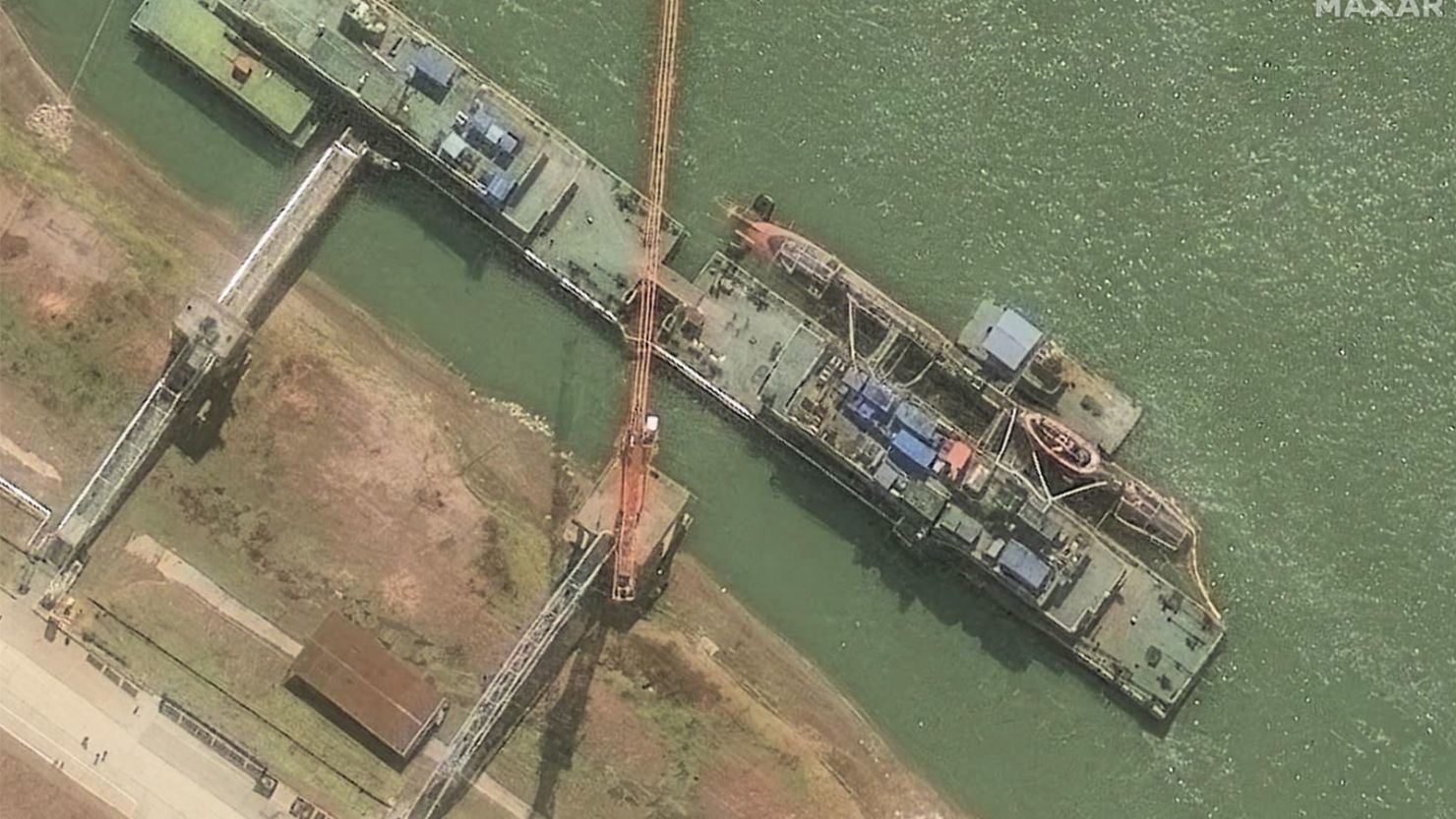
The first whispers began when fishermen near the East China Sea reported an unusual sonar ping and a faint, metallic smell drifting ashore. Within hours, a handful of regional Chinese media outlets cited “unusual activity” at a naval base in Liaoning Province. The story exploded on social platforms after a satellite image—later verified by an independent geospatial firm—showed a plume of bubbles rising from the water near the base.
Officially, the People’s Liberation Army Navy (PLAN) released a brief statement acknowledging a “technical malfunction” on a nuclear‑powered vessel, assuring the public that “no radioactive material has been released.” The lack of specifics sparked a flurry of speculation, prompting independent investigators to dig deeper.
What We Know About the Submarine
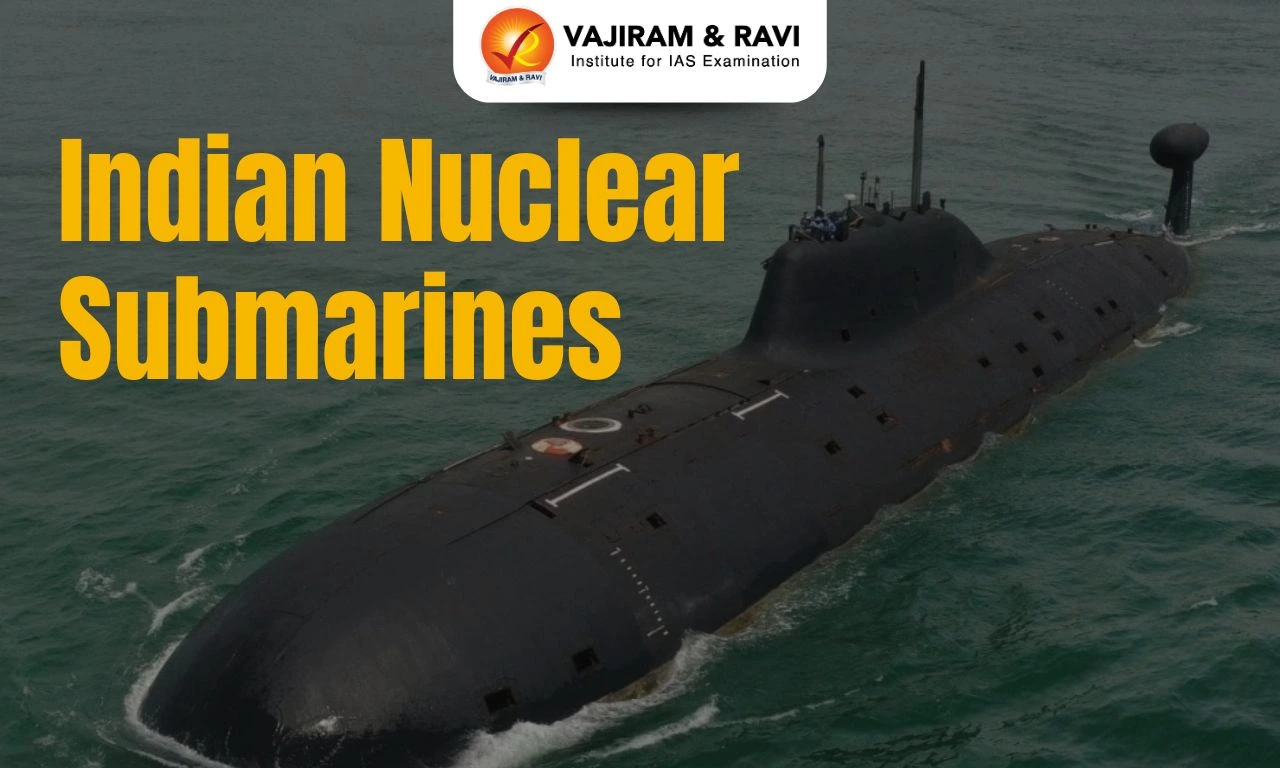
The vessel in question is believed to be a Type 094 Jin‑class ballistic missile submarine, the backbone of China’s sea‑based nuclear deterrent. These boats carry two nuclear reactors, each capable of propelling the sub for months without surfacing.
- Age and Condition: The Jin‑class entered service in the early 2000s. While upgraded over the years, some analysts argue that aging components could increase the likelihood of mechanical failure.
- Reactor Type: Both reactors are pressurized water reactors (PWRs), similar to those found on many U.S. and Russian submarines. They use highly enriched uranium fuel, which requires stringent safety protocols.
- Safety Systems: Modern nuclear subs are equipped with multiple redundant cooling and containment measures. Yet, any breach in the primary coolant loop could pose a serious risk.
Possible Scenarios Explored
Without an official technical report, investigators have outlined three plausible scenarios based on the limited data:
1. Primary Coolant Leak
A small rupture in the coolant system could cause a localized release of steam and bubbles—exactly the kind observed in the satellite images. If the leak remained contained within the pressure hull, radiation exposure to the crew and environment would be minimal.
2. Reactor Scram Followed by Power Loss
A scram, or emergency shutdown, is a standard safety response. However, a subsequent loss of power to auxiliary cooling pumps could allow residual heat to build up, prompting the crew to surface for emergency cooling. This maneuver might explain the brief appearance of a white plume.
3. External Collision or Mine
Some sources hint at a possible collision with an underwater obstacle—perhaps a stray fishing net or a seafloor anomaly. While this would not directly affect the reactor, damage to the hull could trigger alarms that mimic a reactor incident.
Environmental Impact Assessment
So far, no detectable rise in radiation levels has been reported by coastal monitoring stations in China, Japan, or Korea. Independent watchdog groups have deployed portable gamma spectrometers along the coastline, and readings remain within background norms.
Nevertheless, marine biologists warn that even a minor leak could affect local ecosystems. Radioactive isotopes, if released, tend to bind to sediment and can enter the food chain, posing long‑term risks to fish and shellfish populations.
International Reactions
The incident has reignited discussions about nuclear safety standards for naval vessels. The United Nations Office for Disarmament Affairs (UNODA) released a statement urging transparency and cooperation, noting that “the safety of nuclear-powered submarines is a shared global concern.”
In Washington, the U.S. Navy’s Pacific Fleet issued a low‑key briefing, emphasizing that “all nuclear-powered platforms undergo rigorous inspections.” Analysts interpret this as a subtle reminder that the United States maintains its own robust safety regime.
What Remains Unclear
- Exact Cause: Without a comprehensive investigative report, the root cause stays speculative.
- Extent of Damage: Whether the submarine required extensive repairs or a complete reactor shutdown is unknown.
- Crew Safety: Official statements assure the crew’s well‑being, yet the lack of details leaves families and the public uneasy.
Looking Ahead
In the weeks to come, we can expect a gradual release of information as the PLAN conducts internal reviews. Watch for updates from:
- China’s Ministry of National Defense press briefings.
- Independent maritime monitoring agencies.
- Scientific journals publishing peer‑reviewed analyses of any radiological data that become public.
For now, the incident serves as a reminder that even the most advanced naval technologies carry inherent risks. Transparency, rigorous safety checks, and international dialogue will be key to ensuring that a potential mishap does not evolve into a larger environmental or geopolitical concern.