What You Need to Know About Orchidopexy Surgery
When a boy’s testicle fails to descend into the scrotum before birth, doctors often recommend a procedure called orchidopexy. The term might sound daunting, but the surgery itself is a routine fix that most pediatric surgeons perform with confidence. Understanding what happens on the operating table, why the operation matters, and what to expect afterward can ease the anxiety that naturally comes with any surgery.
In this guide we’ll walk through the reasons behind orchidopexy, outline the steps surgeons take, discuss recovery tips, and address the most common concerns families raise.
Why Orchidopexy Is Recommended
Undescended testicles—medically known as cryptorchidism—occur in roughly 2‑5 % of full‑term newborn boys. Left untreated, an undescended testicle can increase the risk of infertility, hormonal imbalance, and even testicular cancer later in life. Early correction, typically before the child turns one year old, helps the testicle develop normally and reduces long‑term complications.
Beyond health considerations, an undescended testicle can also cause discomfort or a noticeable lump in the groin. Parents often notice a “bulge” that doesn’t move with the rest of the scrotum. Prompt orchidopexy not only protects future reproductive health but also eliminates that awkward visual cue.
How Orchidopexy Is Performed
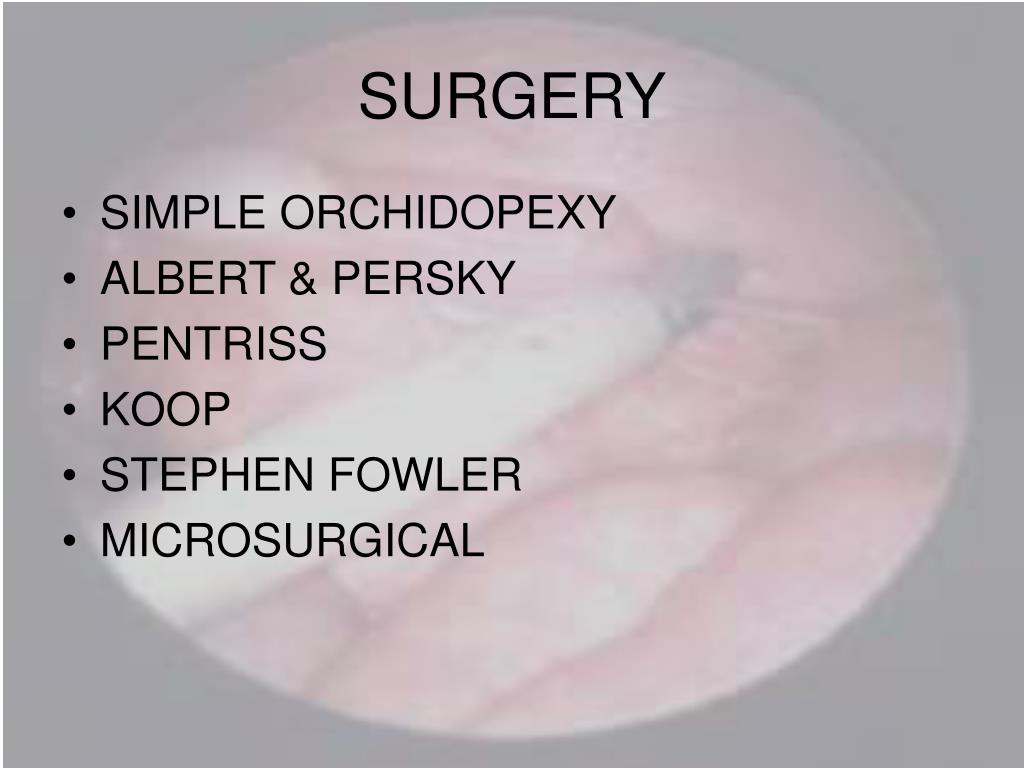
The operation is usually done under general anesthesia, meaning the child will be asleep and pain‑free throughout. A surgeon follows a fairly standardized sequence, though exact techniques can vary based on the testicle’s location and the child’s age.
- Incision placement – A small cut, often just a few centimeters, is made in the groin or lower abdomen. Some surgeons prefer a scrotal incision if the testicle is close to the scrotum.
- Locating the testicle – Using gentle traction, the surgeon identifies the undescended testicle and assesses any surrounding tissue that might be tethering it.
- Creating a “tunnel” – A channel is fashioned through the abdominal wall or inguinal canal, allowing the testicle to be guided down into the scrotum without undue tension.
- Securing the testicle – Once positioned, the surgeon sutures the testicle to the scrotal wall (a process called “fixation”) to prevent it from retracting again.
- Closing the incision – The cut is stitched or glued, and a light dressing is applied. Most children can go home the same day or after an overnight observation.
Because the procedure involves only a few centimeters of tissue, the operation typically lasts 30‑45 minutes. Surgeons aim to minimize disruption of blood flow, which is critical for preserving the testicle’s future function.
Recovery and After‑Care
Recovery is surprisingly swift for most kids. Within a day or two, the child can usually return to light activity, though parents should discourage running, jumping, or heavy play for about a week.
Key after‑care points include:
- Pain management – Over‑the‑counter pain relievers such as acetaminophen are often sufficient. The surgeon will prescribe stronger medication only if needed.
- Wound care – Keep the incision clean and dry. A mild antiseptic wipe during the first few days is usually enough; soaking the area in a bathtub is discouraged until the stitches dissolve or are removed.
- Monitoring – Watch for signs of infection (redness, swelling, fever) or testicular pain that worsens rather than improves. If any concerning symptoms appear, call the pediatrician promptly.
Most families report that the testicle settles comfortably in the scrotum within a few weeks. Follow‑up appointments, typically scheduled six weeks after surgery, allow the surgeon to confirm proper positioning and healing.
Potential Risks and Complications
Like any operation, orchidopexy carries a small risk profile. Common, mild side effects include bruising, temporary swelling, or a brief period of soreness. More serious—but rare—complications might involve:
- Infection at the incision site
- Bleeding that requires additional attention
- Injury to the spermatic cord, which could affect blood flow
- Testicular atrophy (shrinkage) if blood supply is compromised
Overall, the likelihood of severe complications is low, especially when the surgery is performed by an experienced pediatric urologist. Discuss any concerns with the surgeon beforehand; they can outline specific risk factors based on the child’s anatomy.
Frequently Asked Questions
Is orchidopexy painful for my child? The procedure itself is painless because of general anesthesia. Post‑operative discomfort is usually mild and manageable with standard pain relievers.
Can the testicle move back up after surgery? Proper fixation dramatically reduces the chance of re‑ascension. A small percentage of cases may require a second operation, but that is uncommon.
Do I need to avoid sports forever? No. Once the surgeon clears the child—typically after the first follow‑up—normal activity, including sports, can resume.
Will the testicle function normally in adulthood? When performed early, orchidopexy gives the testicle the best chance to develop fully. Most boys achieve normal hormonal function and fertility, although individual outcomes can vary.