When Is the Best Time to Watch the Northern Lights in Iceland?
If you’re planning a trip to Iceland and wondering about the best time to see the northern lights, you’re in the right place. The aurora borealis is a natural light show that paints the night sky with green, purple, and sometimes red hues. While it’s visible year‑round, the conditions that make for a truly memorable display vary throughout the year.
The Best Time to See the Northern Lights in Iceland
In Iceland, the peak auroral season runs from late September through early April. During this period the nights are longest, giving you the greatest chance of witnessing the lights. However, the exact month and timing can make a big difference in both visibility and travel experience.
Monthly Breakdown
- Late September – October: Cooler temperatures, longer nights, and relatively stable weather. The first true auroral season arrives, and the skies are often clear.
- November – December: Nights reach their maximum length. Snowfall can create a dramatic backdrop, but cloud cover increases, especially in December.
- January – February: The coldest months offer the darkest nights. Snow and ice are widespread, which can be both a visual advantage and a logistical hurdle.
- March – Early April: As daylight returns, the aurora still appears, but the nights shorten. The transition period can provide a balance between visibility and milder weather.
Nighttime Hours That Matter
While the aurora can appear at any hour of the night, the period between 10 pm and 2 am is often most active. This is when solar wind energy tends to be strongest, and the Earth’s magnetic field is most receptive. If you’re on a guided tour, many operators schedule trips around these core hours.
Weather Conditions That Influence Visibility
Clear skies are the single biggest factor. Even on a moonlit night, a thin cloud layer can completely hide the lights. Check local forecasts for the “sky clarity” index—many Icelandic weather sites publish a 0–10 rating. A score above 7 typically means a good chance of seeing the aurora.
Light Pollution: Where to Go
- Remote Villages: Places like Húsavík, Akureyri, or Ísafjörður offer dark skies with minimal artificial light.
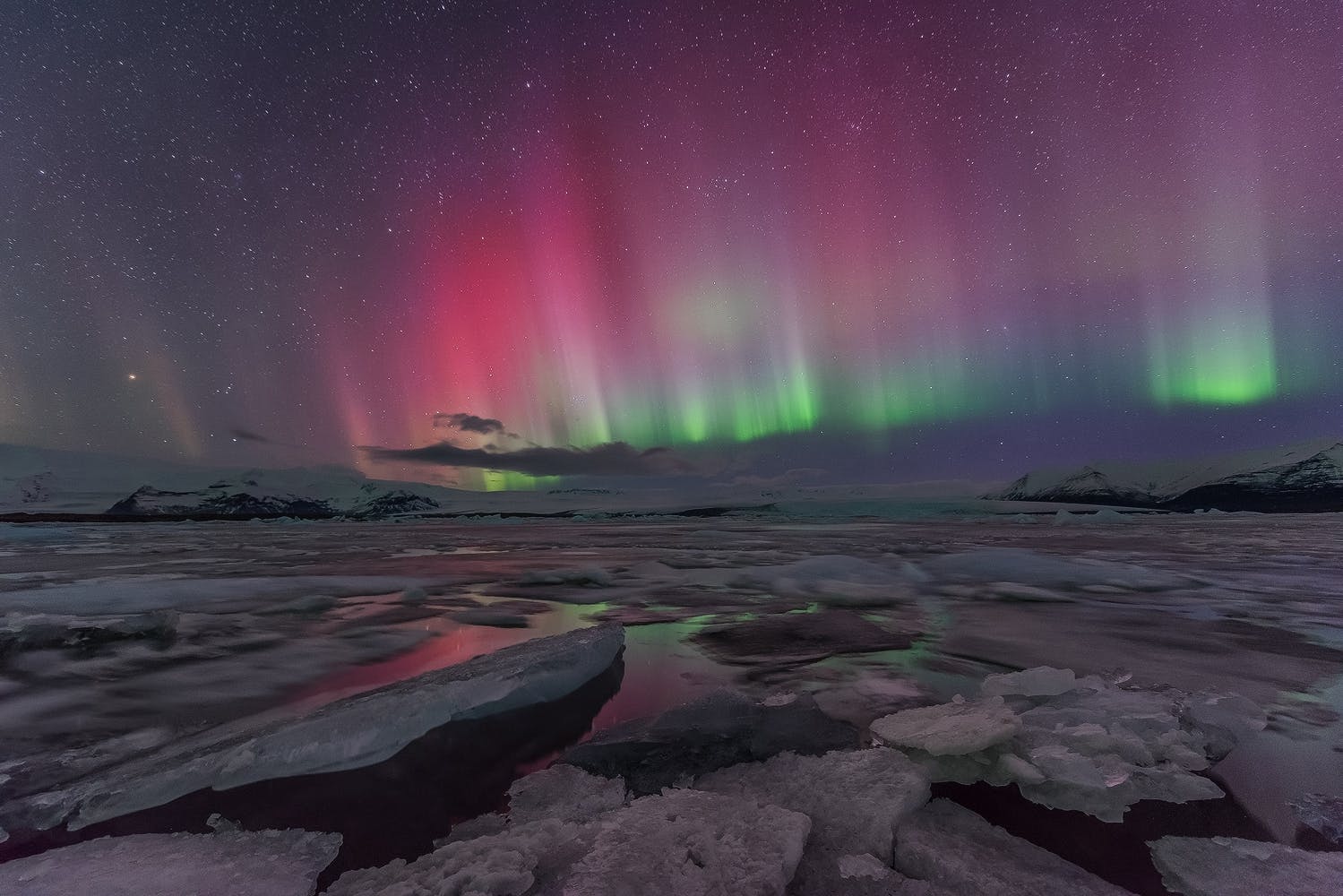
- National Parks: Þingvellir, Skaftafell, and Jökulsárlón are popular spots where the aurora can be seen against dramatic landscapes.
- Guided Tours: Many tour companies drive you to the darkest available spots, often far from any settlement.
Practical Travel Tips
- Plan a trip during a new moon or when the moon is thinly waxing to avoid light interference.
- Dress in layers—temperatures can plunge below –30 °C during clear nights.
- Bring a tripod and a camera with a high ISO setting. A long exposure (10–20 seconds) captures the full beauty.
- Check the aurora forecast daily. The Icelandic Meteorological Office offers a real‑time aurora alert service.
- Reserve accommodation well in advance during peak auroral months; the best spots near the coast fill up quickly.
Budgeting for an Aurora Trip
While Iceland can be pricey, the aurora experience is relatively affordable if you plan smartly. Look for package deals that include guided aurora hunts, or book a rental car to explore less crowded locations on your own. Public transportation is limited at night, so owning a car or joining a group increases flexibility.
When to Expect the Most Stunning Shows
Statistically, the highest auroral activity aligns with solar maximum periods, roughly every 11 years. The latest solar maximum peaked in 2013; the next one is expected around 2025. Even so, the aurora is unpredictable, and many tourists find spectacular displays during quieter solar phases.
FAQs About Viewing the Northern Lights in Iceland
- How long do the lights usually stay on a single night? They can flicker for a few minutes or persist for hours, depending on solar wind strength. A typical session lasts 2–3 hours.
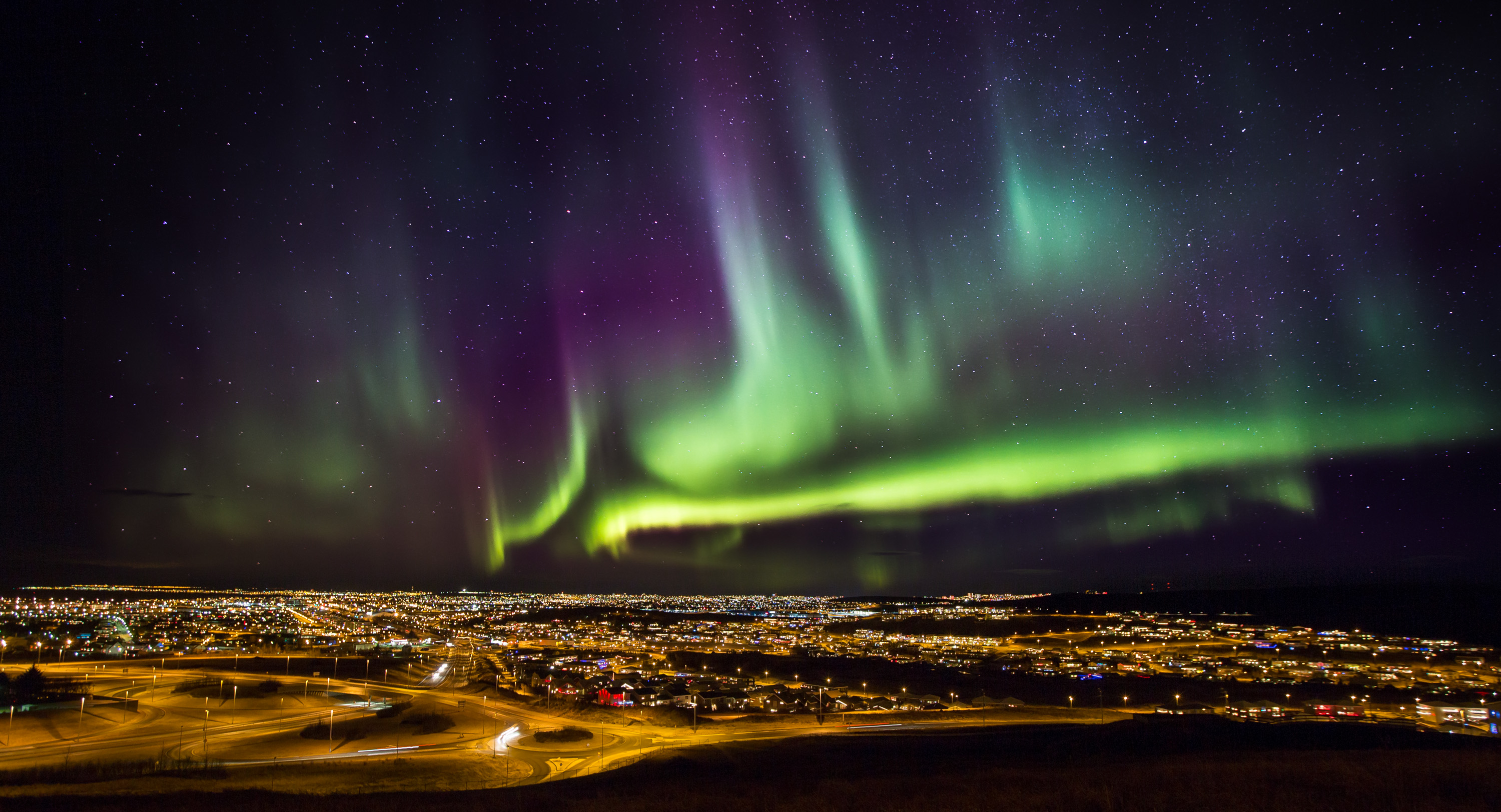
- Can I see the lights from Reykjavik? Yes, but the city’s light pollution reduces visibility. For best results, travel to a nearby dark spot or join a guided tour.
- What’s the chance of a clear night during the winter months? In November and December, cloud cover averages 50–70 %. October and March have better odds of clear skies.