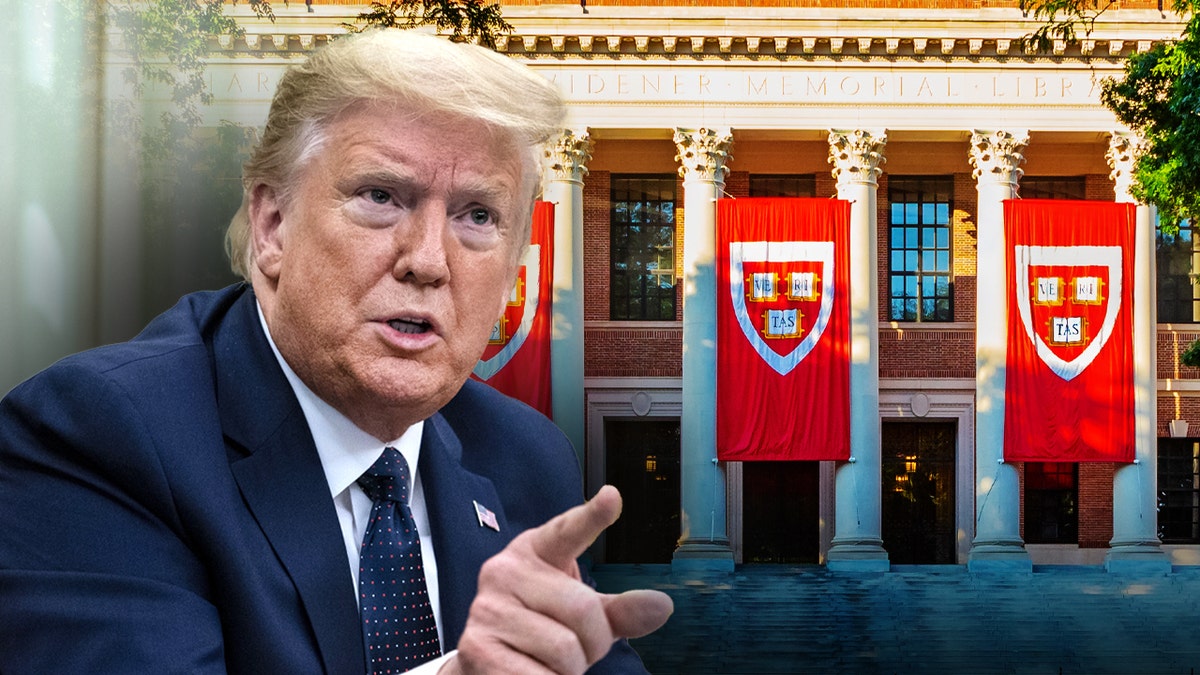
Who Really Owns Harvard? A Deep Dive Into Its Governance
Harvard often feels like a private kingdom, but the reality behind its ownership is far more intricate. It isn’t a single billionaire or a secret consortium that holds the reins; instead, a web of trustees, endowments, and alumni influence the institution’s direction.
The Legal Owner: The Harvard Corporation
At the top of the hierarchy sits the President and Fellows of Harvard College, commonly known as the Harvard Corporation. This 13‑member board is the university’s legal owner and holds ultimate fiduciary responsibility for all assets, from the historic campus buildings to the sprawling endowment.
Corporation members are self‑perpetuating—they elect new fellows, often drawing from alumni, senior faculty, and distinguished leaders in business or public service. Their main duties include:
- Approving the annual budget and strategic plans
- Overseeing the endowment’s investment policies
- Hiring and evaluating the university president
Because the Corporation is a private nonprofit corporation, it doesn’t answer to shareholders in the traditional sense.
The Role of the Board of Overseers
Parallel to the Corporation is the Board of Overseers, a larger group of 30 members elected by Harvard alumni. While they lack direct control over assets, they provide counsel on academic matters, conduct periodic reviews, and serve as a conduit for alumni perspectives.
In practice, the Overseers act as a check on the Corporation, ensuring that the university’s academic mission remains front and center.
Alumni Influence
Harvard’s alumni network is legendary—not just for its prestige but for its financial clout. Contributions from former students continuously augment the endowment, which now exceeds $50 billion. When large gifts are pledged, donors often receive naming rights or influence over specific programs, subtly shaping the university’s priorities.
The Endowment: Money That Moves Harvard
Think of the endowment as Harvard’s financial engine. Managed by Harvard Management Company (HMC), it invests in a diversified portfolio ranging from real estate to venture capital. While the Corporation sets the overall investment policy, HMC’s investment teams handle day‑to‑day decisions.
Profits from the endowment fund scholarships, faculty salaries, research, and even the upkeep of iconic landmarks like Harvard Yard. The endowment’s size means that even a modest annual return can fund billions in university operations.
Who Benefits From Ownership?
In the end, “ownership” translates into stewardship. The Corporation safeguards assets, the Board of Overseers guides academic integrity, alumni fuel growth through donations, and the endowment provides the financial backbone. Together, they ensure Harvard remains a leading institution without a single, identifiable proprietor.