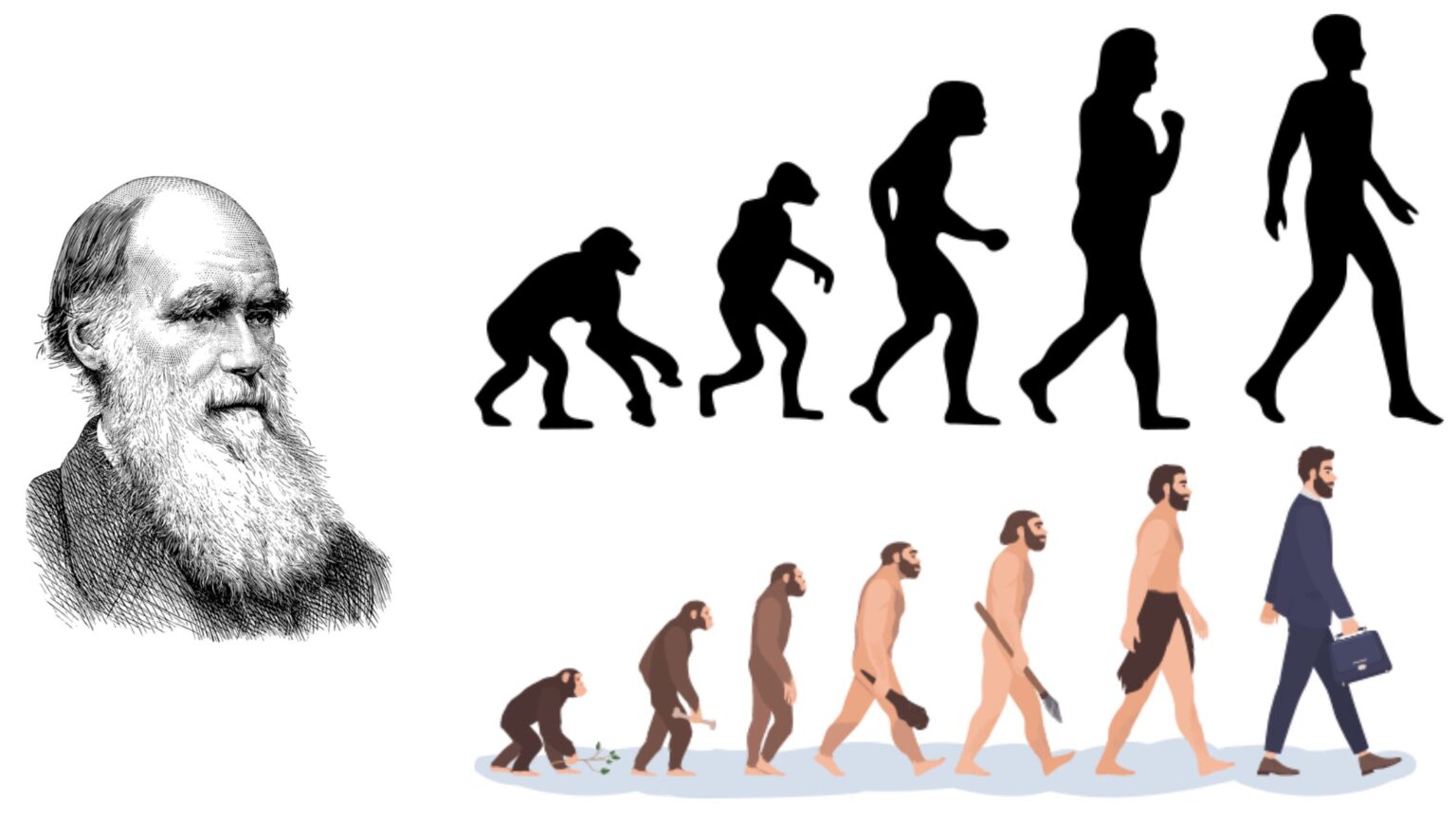
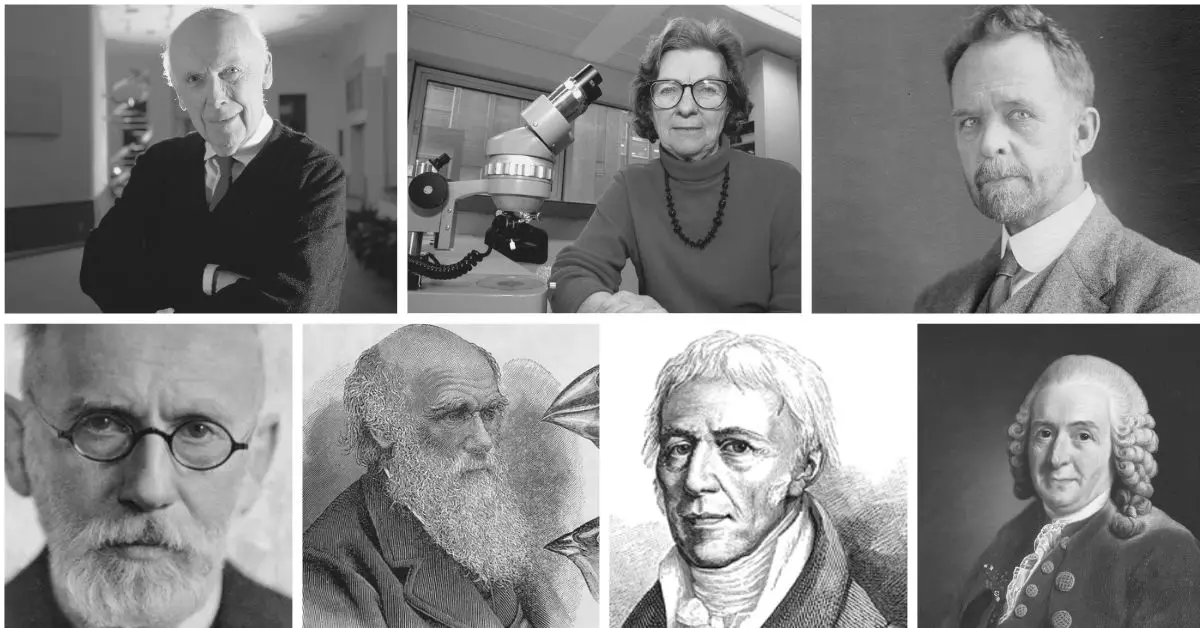
Who Were the Pioneers of Evolutionary Theory?
When you hear “evolution,” the first name that pops into mind is usually Charles Darwin. Yet the story of how we came to understand life’s endless change is a tapestry woven by many brilliant thinkers, each adding a unique thread. From 19th‑century naturalists to 20th‑century geneticists, their ideas still shape everything from biodiversity conservation to medical research.
Foundations of Evolutionary Thought
Before the famous voyage aboard the Beagle, a handful of scholars were already questioning the fixity of species. Their observations laid the groundwork for the revolutionary concepts that followed.
Charles Darwin (1809‑1882)
Darwin’s masterpiece, On the Origin of Species, introduced natural selection as the engine of change. He argued that individuals vary, those variations affect survival, and over generations, advantageous traits accumulate.
Alfred Russel Wallace (1823‑1913)
Living half a world away, Wallace arrived at a remarkably similar conclusion after studying the Amazon and Southeast Asia. His joint paper with Darwin in 1858 cemented the principle of natural selection in scientific circles.
- Key idea: Survival of the fittest leads to speciation.
- Impact: Provided a natural explanation for biodiversity.
Genetics Joins the Picture
Darwin’s theory was elegant, but it lacked a mechanism for inheritance. The late 1800s and early 1900s saw the rise of genetics, filling that gap and reshaping evolutionary biology.
Gregor Mendel (1822‑1884)
Mendel’s pea‑plant experiments revealed that traits are passed in discrete units—later called genes. Though his work lay dormant for decades, it eventually became the cornerstone of modern genetics.
Ronald Fisher (1890‑1962)
Fisher merged Mendelian genetics with natural selection, introducing the concept of the “gene‑centered” view of evolution. His mathematical models explained how allele frequencies shift under selective pressure.
Sewall Wright (1889‑1988)
Wright added nuance with his ideas of genetic drift and the “shifting balance theory,” emphasizing that random events and population structure also drive evolutionary change.
- Key concepts: Genetic variation, drift, and the gene pool.
- Legacy: Paved the way for the modern synthesis.
Modern Extensions and Controversies
As DNA sequencing entered the scene, new questions emerged. Scientists began to look beyond selection, exploring how development, epigenetics, and even cultural transmission influence evolution.
J.B.S. Haldane (1892‑1964)
Haldane applied mathematical rigor to population genetics and introduced the concept of “cost of natural selection,” quantifying how quickly advantageous alleles can spread.
Motoo Kimura (1924‑1994)
Kimura’s neutral theory challenged the dominance of selection, suggesting that most molecular changes are neutral and drift dominates at the genetic level.
Stephen Jay Gould (1941‑2002)
Gould co‑developed the theory of punctuated equilibrium, arguing that species often remain unchanged for long periods, punctuated by brief, rapid bursts of evolution—an idea that sparked lively debate.
Evo‑Devo Pioneers (Sean B. Carroll, etc.)
Evolutionary developmental biology, or “evo‑devo,” examines how changes in gene regulation produce new body plans. It shows that tweaking the same genetic toolkit can yield extraordinary morphological diversity.
- Notable ideas: Neutral drift, punctuated equilibrium, regulatory evolution.
- Why it matters: Offers a richer, more nuanced view of how life adapts.
Why These Names Still Matter
Understanding the lineage of ideas helps us appreciate the complexity of evolution today. Each scientist not only contributed a piece of the puzzle but also illustrates how science thrives on debate, revision, and interdisciplinary cross‑pollination.
From Darwin’s finches to modern genome editing, the legacy of these thinkers continues to inform research, policy, and education. Their theories remind us that evolution is not a static story—but a dynamic, ever‑unfolding narrative.