Who Will Outgrow the Other? US vs China Population Race
When you hear “US vs. China,” most debates jump straight to trade wars or military posturing. Yet the most fundamental contest may be one of sheer numbers. Both nations sit atop the global stage, but their demographic trajectories diverge sharply, shaping everything from labor markets to political clout. Understanding the forces at play helps answer a simple yet profound question: which country will command the larger share of humanity in the decades to come?
Why Population Matters in the 21st Century
Population isn’t just a head‑count; it’s a proxy for economic potential, consumer demand, and geopolitical leverage. A larger workforce fuels production, while a younger age profile sustains pension systems. Conversely, an aging society can strain healthcare and slow growth. In a world where technology, climate, and migration intersect, demographic shifts become a strategic resource.
Current Demographic Snapshots
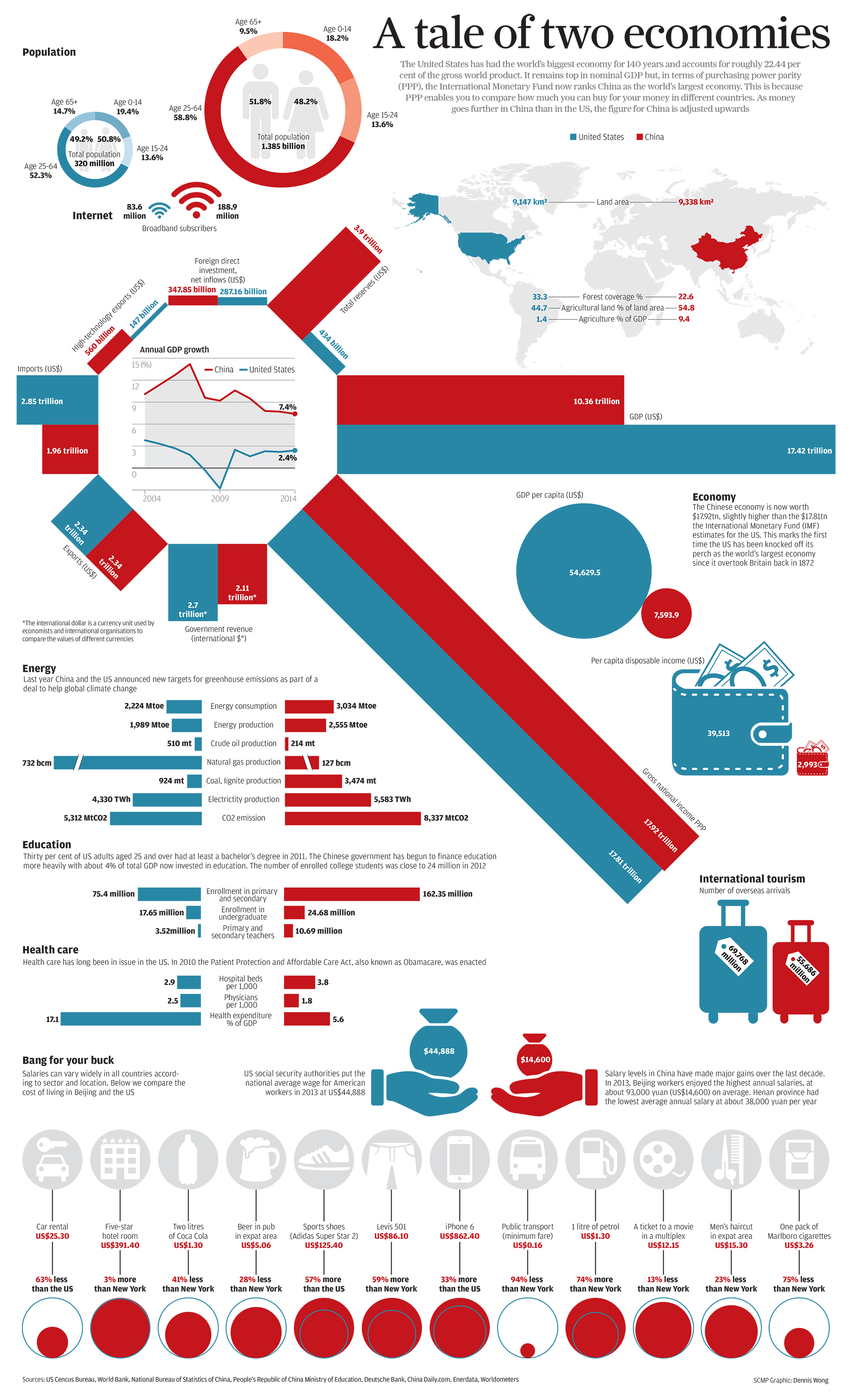
As of 2023, China still edges out the United States in sheer size—about 1.41 billion people compared with roughly 335 million in the U.S. The gap, however, is narrowing. The U.S. enjoys a modest growth rate of around 0.5 % per year, bolstered by immigration and a birth rate that hovers just above the replacement level. China, meanwhile, records a negative natural increase; its birth rate slipped below 1.0 % and the population actually began shrinking in 2022.
Age distribution paints an even starker contrast. In the U.S., median age sits near 38, with roughly 16 % of residents aged 65 or older. China’s median age has crept past 40, and the over‑65 cohort now accounts for about 13 %—a figure projected to double by 2050. These numbers hint at divergent economic horizons.
Drivers Behind the Trends
Policy Choices
China’s one‑child policy, in place from 1979 to 2015, left a lasting imprint. Even after the shift to a two‑child, then three‑child policy, cultural and financial pressures keep many couples from expanding their families. The United States, lacking such restrictive mandates, relies heavily on market forces and a relatively permissive immigration regime.
Immigration Flows
Net migration adds roughly 1 million people to the U.S. each year, a vital boost that offsets its low fertility. China’s immigration numbers are minuscule in comparison, largely because of stricter entry policies and fewer pull factors for high‑skill migrants.
Urbanization and Economic Development
Both societies have urbanized rapidly, but the pace matters. In China, urban migration has outpaced job creation in some megacities, prompting younger families to delay childbearing. The U.S. still offers a relatively balanced urban‑rural job spread, which helps sustain household formation.
Implications for Global Power
Economically, a shrinking Chinese labor pool could erode its manufacturing advantage, nudging firms toward automation or relocation. The United States, with a steadier demographic base, may retain a competitive edge in high‑value services and innovation. Politically, a larger citizenry can translate into greater diplomatic weight—think voting blocs in international organizations.
However, raw numbers aren’t destiny. China’s massive internal market still commands significant consumer power, and its state‑driven investments in AI and green tech could offset labor shortfalls. The U.S., meanwhile, must grapple with rising inequality and an aging workforce that could strain public finances.
What the Future Could Look Like
- Short‑term (2025‑2035): The United States may surpass China in annual population growth thanks to continued immigration, while China’s total head‑count inches downward.
- Mid‑term (2035‑2050): If China’s birth rate remains low, its population could dip below 1.3 billion, whereas the U.S. might hover around 350 million, still far smaller but growing at a healthier pace.
- Long‑term (2050+): Demographic pressure could force China to liberalize its immigration policy or accelerate automation. The U.S. will likely need to address its own aging trend through policy reforms in healthcare and retirement.
FAQ
Will the United States ever outnumber China?
It’s plausible that the U.S. could exceed China’s annual growth rate, but overtaking China’s total population would require a dramatic shift in either country’s policies or unexpected migration waves.
How does an aging population affect military strength?
Older societies may face recruiting challenges and higher veteran care costs, potentially limiting the size and readiness of armed forces unless offset by technology or foreign enlistment.
Can immigration fully replace a low birth rate?
Immigration can mitigate short‑term declines, yet sustaining a stable workforce over generations typically needs a combination of higher fertility and continued inflows.
What role does education play in this demographic contest?
Higher education levels tend to correlate with lower birth rates, but they also boost productivity. Nations that balance skilled labor with family-friendly policies may enjoy both economic vigor and demographic stability.