Why Death Valley Is America’s Driest, Hottest National Park
When you think of extreme weather, Death Valley National Park usually tops the list. Nestled in eastern California and spilling into Nevada, this vast basin holds the record for both scorching highs and bone‑dry conditions across the United States. The combination of its low elevation, clear skies, and sparse vegetation creates a climate that feels almost otherworldly.
Geography and Climate: The Making of a Desert Giant
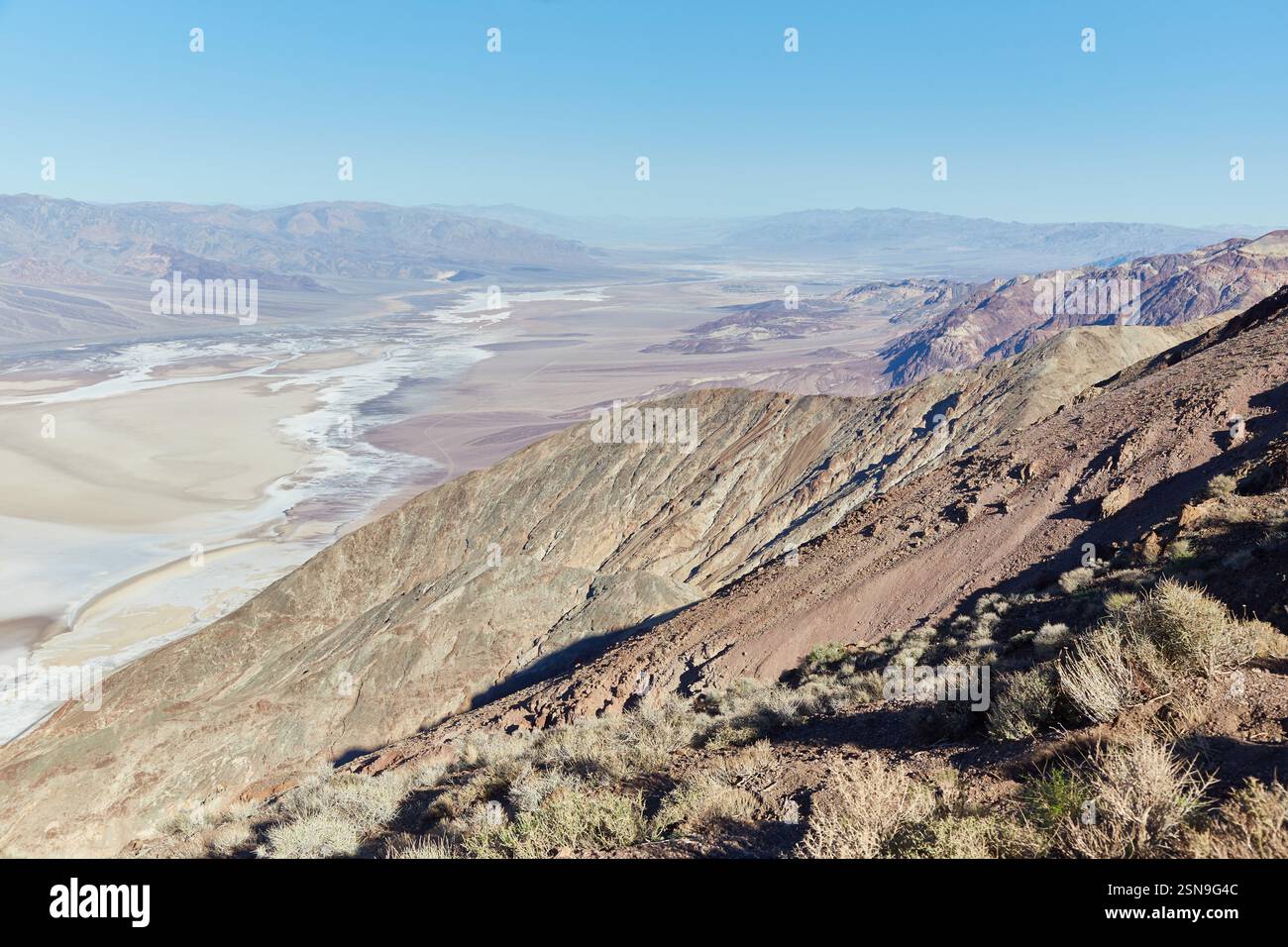
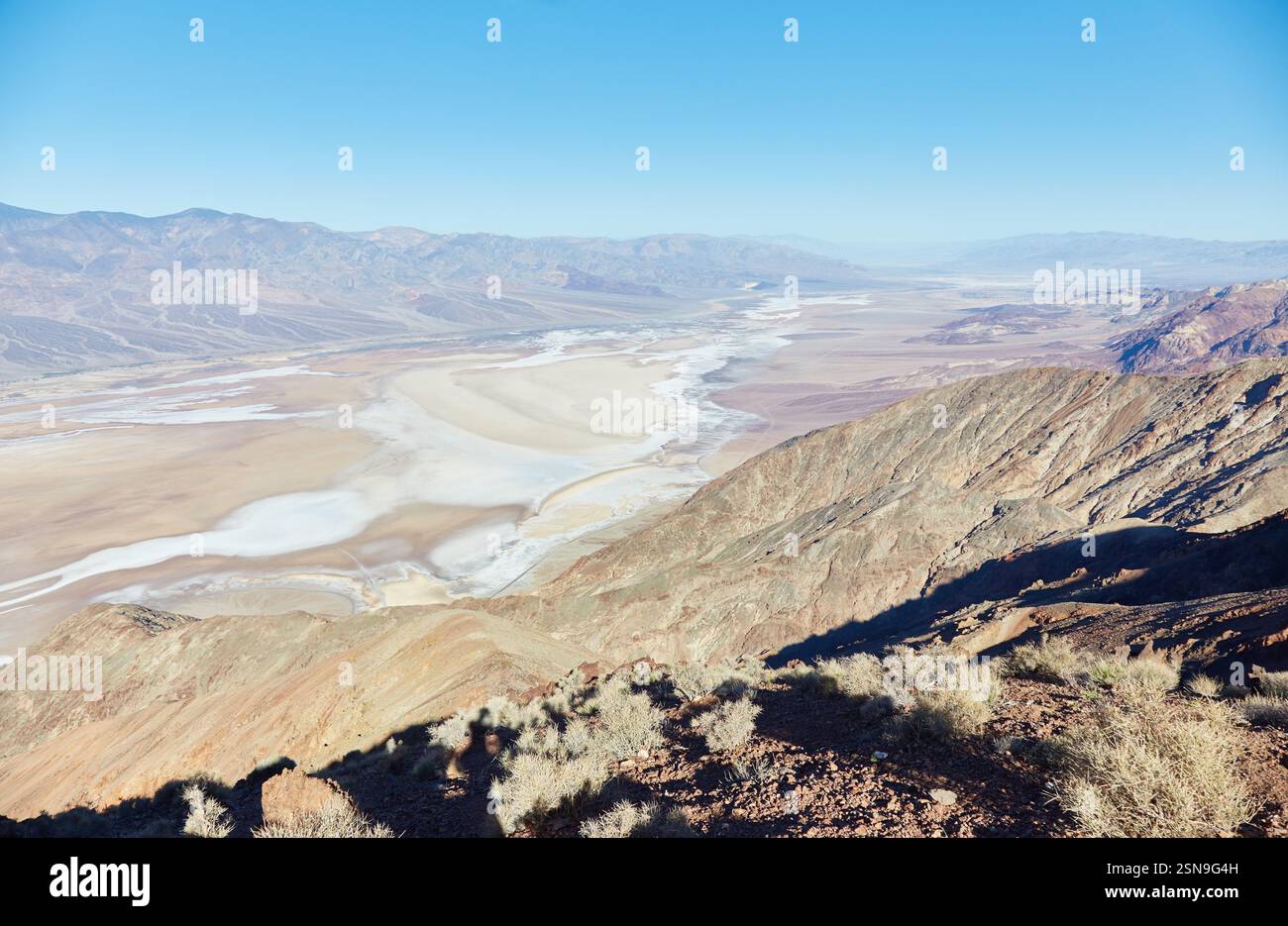
Death Valley sits about 282 feet (86 m) below sea level at Badwater Basin, the continent’s lowest point. The surrounding mountain ranges—most notably the Panamint and Amargosa—trap air masses, forcing hot, dry winds to descend into the basin. As the air compresses, it heats up, pushing daytime temperatures well above what neighboring regions experience.
Rainfall is equally unforgiving. Annual precipitation typically measures less than two inches (50 mm), and many years pass without a measurable drop at all. The valley’s aridity is amplified by the fact that any moisture that does arrive is quickly evaporated by the intense sun.
Record‑Setting Heat: From Furnace Creek to the Sky
The most famous temperature milestone occurred on July 10, 1913, when Furnace Creek recorded 134 °F (56.7 °C). While modern instrumentation questions the exactness of that figure, the National Weather Service still recognizes it as the highest reliably documented temperature on Earth.
Even today, summer days regularly breach 120 °F (49 °C). Nighttime offers little reprieve; temperatures often linger above 80 °F (27 °C), a stark contrast to the rapid cooling found in most desert locales. This persistent heat is why Death Valley is consistently labeled the hottest spot in the lower 48 states.
How Life Adapts to the Extremes
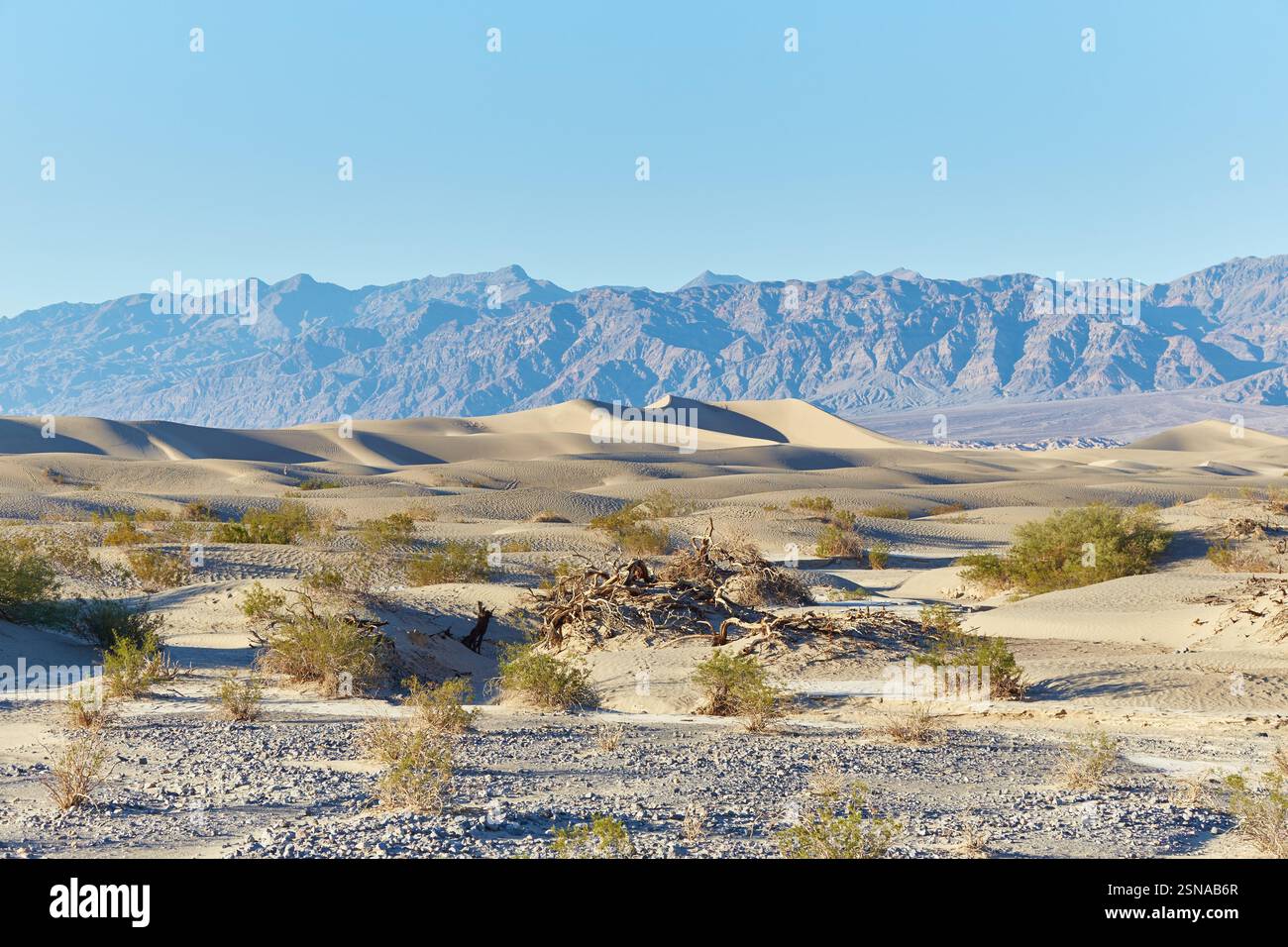
Plants and animals here have evolved clever tricks to survive. Creosote bushes, for example, keep their leaves coated in a waxy layer that reduces water loss, while desert pupfish thrive in isolated springs that never freeze. Even the iconic Joshua trees, though more common in neighboring Mojave, can be found on the valley’s fringe, relying on deep root systems to tap scarce moisture.
Human visitors also need to respect the environment. The “no shade” rule in many campgrounds reminds hikers that prolonged exposure can lead to dehydration or heatstroke within minutes. Carrying ample water—at least one gallon per person per day—is not just good advice; it’s a survival requirement.
Practical Tips for Visiting the Hottest, Driest Park
- Timing is everything. Early morning or late‑afternoon drives keep you out of the peak heat window (12 p.m.–4 p.m.).
- Stay hydrated. Refill water bottles at ranger stations; never rely on natural sources.
- Dress appropriately. Light‑colored, loose‑fitting clothing, wide‑brimmed hats, and UV‑blocking sunglasses reduce sun exposure.
- Know the signs of heat illness. Dizziness, rapid heartbeat, and nausea are early warnings—stop, rest in shade, and sip water immediately.
- Plan for limited services. Cell coverage is spotty, and fuel stations are few. Keep a physical map and a fully charged power bank.
Conservation Challenges in an Extreme Landscape
Because the ecosystem is so fragile, even minor disturbances can have outsized effects. Off‑road driving, for instance, can scar the desert floor, creating runoff channels that alter natural water flow. The park’s management team combats this with strict vehicle permits and extensive public education campaigns.
Climate change adds another layer of uncertainty. Prolonged heatwaves could push average summer temperatures higher, while altered precipitation patterns might affect the already scarce water sources that sustain both wildlife and historic springs.
FAQ
What is the coldest temperature ever recorded in Death Valley?
The lowest temperature on record is 15 °F (‑9 °C), measured at Furnace Creek in 1979 during an unusually cold winter.
Can I camp in Death Valley during the summer?
Summer camping is allowed but not recommended for most visitors. If you do, choose a shaded site, bring extra water, and limit outdoor activity to early mornings or evenings.
How far is Badwater Basin below sea level?
Badwater Basin lies 282 feet (86 m) below sea level, making it the deepest point in North America.
Is it safe to drive on the park’s unpaved roads?
Many unpaved roads require a high‑clearance vehicle and can become impassable after rare rain events. Check current road conditions at the visitor center before heading out.