Why Don't Japanese Shower in the Morning? Explained
Walking into a typical Japanese home early in the day, you’ll often find the bathroom lights off and the bathtub empty. It can feel odd for visitors used to a quick morning rinse. The habit—or lack thereof—of showering in the morning is rooted in a mix of tradition, practicality, and a different approach to cleanliness.
The Legacy of the Ofuro
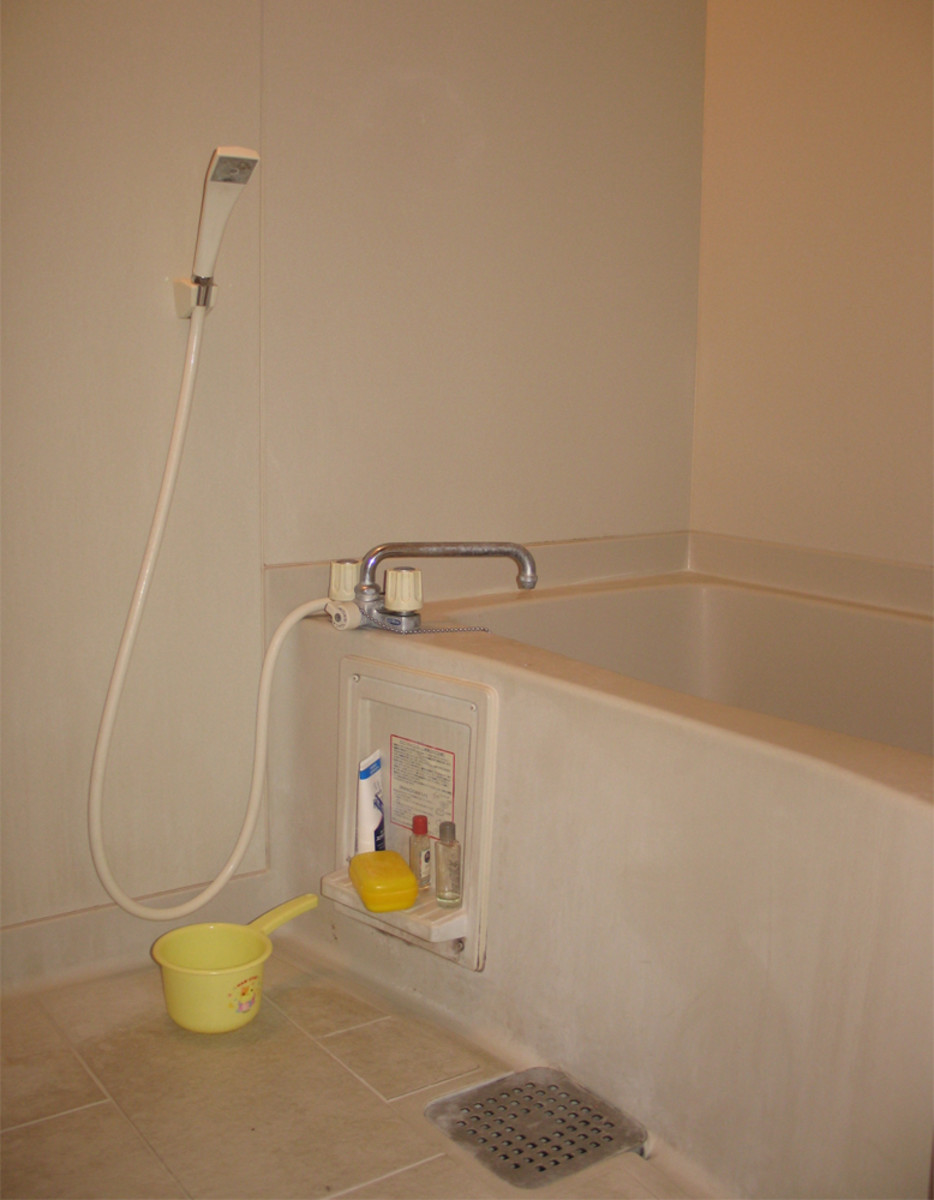
In Japan, the ofuro—a deep soaking tub—has been a staple for centuries. Unlike a Western shower, the ofuro is designed for relaxation, not rapid rinsing. Families often share the same bathwater throughout the day, considering the soak a ritual rather than a purely hygienic act.
Why the tub matters more than the shower
- Relaxation first: After a long workday, soaking relieves tension and improves circulation.
- Water efficiency: Sharing a single bath reduces overall water usage compared to multiple short showers.
- Cultural symbolism: The act of bathing is linked to purification in Shinto and Buddhist practices.
Because the ofuro serves both physical and spiritual purposes, many households prioritize it over a rushed morning shower.
Daily Schedules and the Timing of Cleanliness
Japanese work culture often demands early starts, but the commute itself is rarely a place where one would shower. Instead, the day typically begins with a quick wash of the face and hands, followed by a more thorough cleanse after returning home.
There’s a practical side, too: many apartments have limited bathroom space. A single showerhead and a compact bathtub share a cramped corner, making a quick morning rinse feel cramped and inconvenient.
Evening vs. Morning
Most people opt to bathe in the evening for a few reasons:
- It signals the transition from work to personal life.
- It helps to wash off the day's sweat, dust, and pollutants before bed.
- It syncs with the cultural habit of sleeping in clean clothes after a soak.
In contrast, a morning shower would often feel rushed, especially if one needs to catch a train by 7 a.m.
Climate and Seasonal Influences
Japan’s climate varies dramatically from the humid summers of Okinawa to the snowy winters of Hokkaido. During the colder months, a hot soak after a day spent in the cold is much more appealing than a brisk cold shower in the morning.
Even in summer, the humidity makes a quick cool rinse less satisfying than a longer, more leisurely soak that can actually lower body temperature.
Public Baths and Communal Hygiene
Public baths, or sentō, play a crucial role in Japanese hygiene culture. They provide a space where people can bathe together, something that would be unheard of in many Western societies. Visiting a sentō after work is a social ritual, reinforcing the idea that thorough bathing is a communal, not solitary, activity.
Because the communal bath is often used in the evening, many individuals skip a home shower altogether, trusting that the sentō will handle their cleansing needs.
Modern Shifts: Are Morning Showers Gaining Ground?
In recent years, younger generations in urban areas are slowly introducing morning showers into their routines, especially as Western fitness trends—like early‑morning gym sessions—gain popularity. Yet, the shift is modest.
Some apartment complexes now include separate shower stalls, making quick morning rinses more feasible. Still, the ingrained habit of evening bathing remains strong, and many still see the night as the appropriate time for a deep clean.
Practical Tips for Visitors
If you find yourself staying with a Japanese host and wonder when to freshen up, keep these pointers in mind:
- Ask whether they prefer you use the ofuro in the evening or if a quick morning rinse is acceptable.
- Bring your own small towel; many households supply only a single shared bath towel.
- If you’re short on time, a brief face wash and hand rinse can be enough before heading out.
- Respect the shower‑first‑then‑bathtub rule: you’re usually expected to rinse before soaking.
These simple gestures show cultural awareness and help you blend in without forcing a change on the host’s routine.
Underlying Philosophy: Cleanliness vs. Purity
Japanese concepts of cleanliness often intertwine with purity. A quick shower removes surface grime, but a soak in the ofuro is thought to cleanse the spirit. This gentle distinction explains why many Japanese people reserve the deeper, more intentional bathing for the evening, when they can fully unwind and reflect.
In short, it isn’t that they dislike showering—it’s just that the timing aligns with deeper cultural values and everyday logistics.

.jpg?auto=compress,format)

