Why North Korea and Iran Keep Strengthening Their Ties
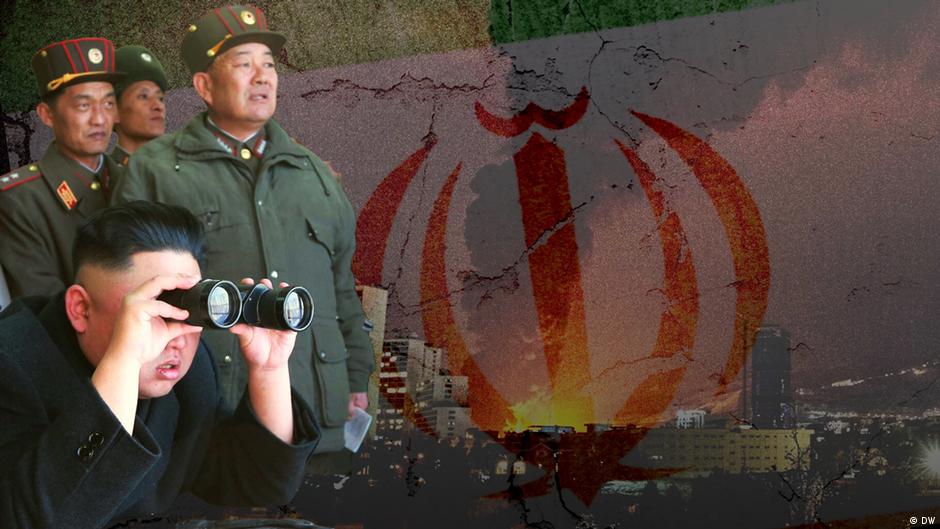
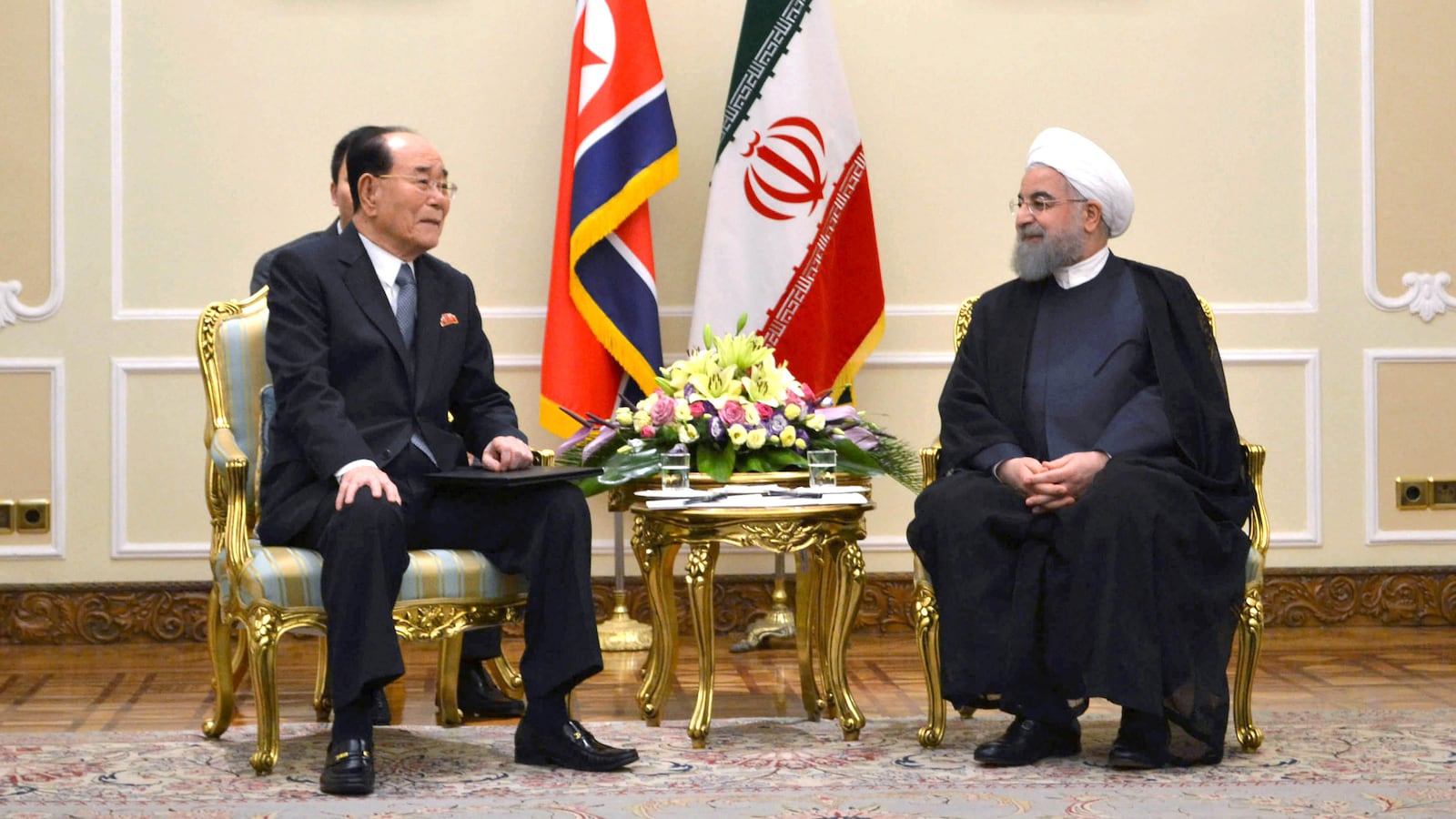
When you hear the names North Korea and Iran together, the first image that often pops up is a clandestine meeting in a dimly lit room, weapons shipments slipping across borders, and a shared defiance of Western pressure. It’s not a Hollywood plot—it’s a real, evolving partnership that has survived sanctions, leadership changes, and shifting geopolitics. Understanding why these two isolated states cling to each other reveals a lot about how survival strategies work beyond the headlines.
Historical Roots: From Ideology to Pragmatism
The bond began in the 1980s, when both regimes faced brutal isolation after the Iranian Revolution and the Korean War’s lingering scars. Iran, still reeling from the 1979 upheaval, sought allies outside the Western bloc, while Pyongyang was already entrenched in a self‑reliant, Juche‑driven worldview. Early contacts were less about ideology and more about mutual need—arms, technology, and a platform to challenge U.S. dominance.
By the 1990s, the partnership had morphed into a pragmatic exchange: North Korea supplied missile technology, and Iran offered financial support and access to its Middle‑East networks. The relationship survived the dissolution of the Soviet Union, proving that shared adversity can be a stronger glue than any shared creed.
Strategic Benefits for Each Partner
North Korea’s Gains
- Hard currency. Iran’s oil revenue, even when constrained by sanctions, provides a vital lifeline for the North’s beleaguered economy.
- Technology transfer. Access to Iranian satellite and drone expertise helps Pyongyang enhance its own reconnaissance and strike capabilities.
- Diplomatic shelter. Whenever the United Nations tightens pressure on one, the other can serve as a buffer—offering a venue for communications away from prying eyes.
Iran’s Gains
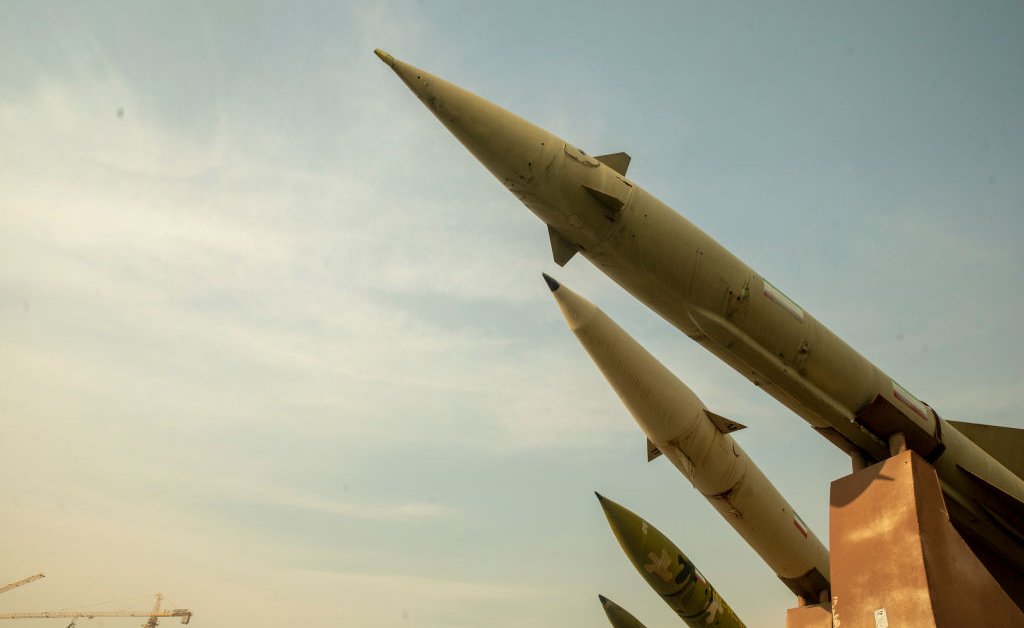
- Ballistic missile know‑how. North Korean expertise has accelerated Tehran’s indigenous missile programs, shortening development cycles.
- Weapons diversification. Small‑scale transfers of firearms and munitions give Iran more options for proxy groups across the region.
- Political leverage. A partnership with a fellow outcast reinforces Iran’s claim that it can survive without Western goodwill.
Key Areas of Cooperation
While the headline‑grabbing stories focus on weapons, the day‑to‑day collaboration is broader.
Military Exchanges
Both nations conduct joint training drills, often in remote deserts or mountainous terrain where satellite surveillance is limited. These exercises cover everything from artillery coordination to cyber‑warfare simulations, reflecting a growing awareness that future conflicts will blend kinetic and digital realms.
Scientific and Industrial Projects
Iran’s nuclear program has long been a point of contention with the West. North Korean scientists, seasoned in uranium enrichment under strict secrecy, have reportedly shared insights on centrifuge design. In return, Iran’s more advanced petrochemical sector offers Pyongyang access to refined fuels that are otherwise hard to obtain.
Intelligence Sharing
Both regimes maintain extensive networks of informants across the Middle East, Central Asia, and the Indian Ocean. By swapping contact lists and surveillance data, they can better anticipate UN inspection movements or anticipate U.S. missile‑defense deployments.
The International Response
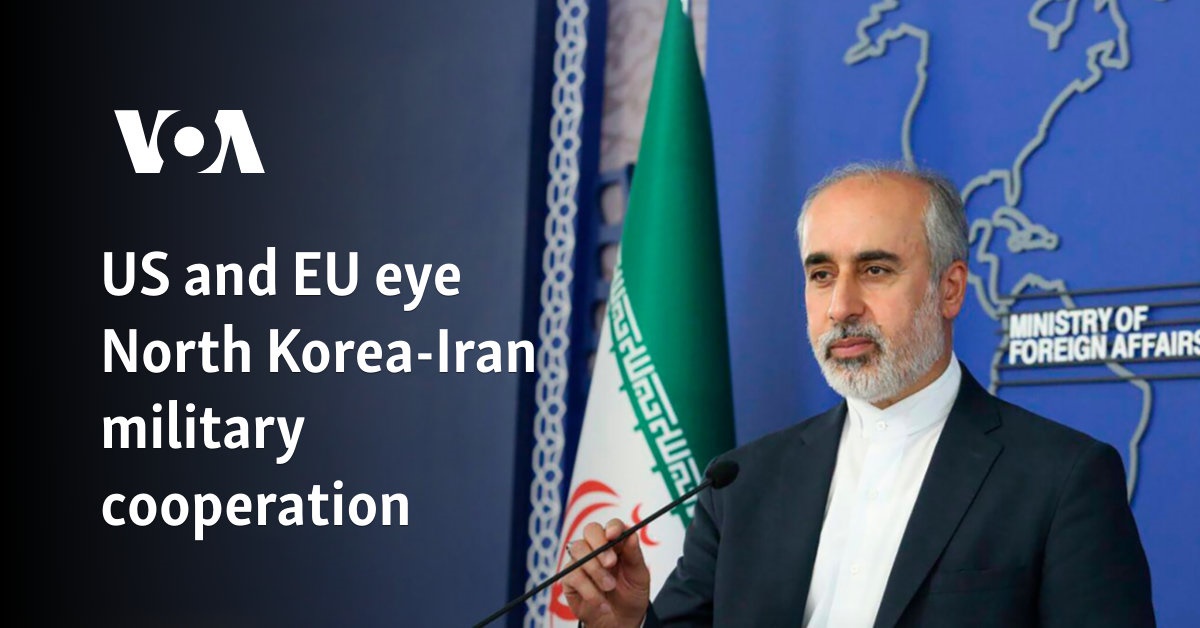
Washington, Moscow, and Tehran’s regional rivals watch these ties with a mix of alarm and fatigue. Sanctions have been layered upon both governments, yet enforcement is uneven. For instance, United Nations Panel reports from 2022 noted that ship‑to‑ship transfers of oil from Iranian tankers to North Korean vessels occurred near the Horn of Africa, exploiting gaps in maritime monitoring.
European nations have responded with tighter financial tracking, while China—both a reluctant partner and a potential mediator—has occasionally nudged Pyongyang to curb the most flagrant violations, hoping to keep the region stable enough for its own trade routes.
Challenges Within the Alliance
Even among allies, friction can flare. North Korea’s famine crises in the late 2010s forced it to prioritize food imports over arms exports, briefly straining cash flow to Tehran. Meanwhile, Iran’s internal protests and a shifting political elite sometimes lead to a more cautious approach toward overtly antagonistic dealings.
Moreover, both countries rely heavily on covert logistics, which are vulnerable to leaks. In 2021, a captured North Korean shipment bound for Syria—believed to be transshipped from Iran—exposed a chain of intermediaries, prompting a brief diplomatic chill as each side blamed the other for the exposure.
Looking Ahead: What Might the Future Hold?
Predicting the arc of clandestine relationships is never precise, but a few trends emerge. First, as U.S. pressure on Iran intensifies over its nuclear aspirations, Tehran may lean even more on Pyongyang’s “no‑questions‑asked” arms market. Second, North Korea’s own missile tests suggest it wants to showcase capabilities that could be licensed to paying customers—making Iran a natural client.
Finally, the global push toward renewable energy could indirectly affect the partnership. Iran’s oil revenues are a key source of hard currency for both regimes; a rapid shift away from fossil fuels would force them to diversify—perhaps deepening cyber‑espionage cooperation or expanding joint ventures in illicit finance.
Why It Matters to the Rest of the World
The North Korea‑Iran nexus is more than a footnote in geopolitical analyses; it influences regional stability, non‑proliferation efforts, and the effectiveness of sanctions regimes. When two sanctioned states find ways to bypass restrictions, the message sent to other outliers is clear: isolation can be mitigated through strategic friendship.
For policymakers, the lesson is to monitor not only the headline‑grabbing missile launches but also the quieter, behind‑the‑scenes exchanges—financial transfers, joint research agreements, and the subtle diplomatic courtesies that keep the alliance afloat.
In the end, the partnership persists because both nations see it as a lifeline—a way to punch above their weight in a world that often tries to keep them down. Whether that alliance will strengthen further or fray under external pressure remains an open question, but one thing is certain: the relationship between North Korea and Iran will continue to shape the security calculations of many other players.