Why Sailor Moon Still Shines as a Timeless Anime Classic
When you hear the phrase sailor anime, most fans instantly picture glittering tiaras, moon‑lit battles, and a band of teenage girls who transform into celestial warriors. That image belongs to Sailor Moon, a series that first aired in 1992 and continues to dominate pop‑culture conversations three decades later. Its blend of romance, humor, and empowering themes explains why the show feels fresh even after countless re‑runs and remakes.
What Makes Sailor Moon a Sailor Anime Classic?
At its core, the series follows Usagi Tsukino, a clumsy yet kind‑hearted schoolgirl who discovers she’s the reincarnation of the Moon Princess. With a simple “Moon Prism Power, Make Up!” she transforms into Sailor Moon, the leader of a group of Sailor Guardians tasked with protecting Earth from dark forces. The premise is straightforward, but the execution introduced a new kind of heroine—one who fights monsters while navigating friendships, love, and the everyday trials of adolescence.
Unlike many action‑oriented series of the early ’90s, Sailor Moon placed emotional growth at the forefront. Each Guardian’s backstory ties to mythological archetypes, giving viewers a sense of depth beyond the colorful costumes. This narrative richness, coupled with a distinct aesthetic—soft pastel palettes mixed with bold star motifs—set a template many later magical‑girl shows still emulate.
The Birth of a Cultural Phenomenon
Adapted from Naoko Takeuchi’s manga, the anime debuted on Japan’s TV Asahi network and quickly captured a global audience. Its timing was perfect: the early ’90s saw a surge in interest for shōjo (girls’) stories, yet few series blended romance, comedy, and combat as seamlessly as this one. International licensing deals brought the show to North America, Europe, and Latin America, often with localized theme songs that became earworms in their own right.
Beyond television, the franchise expanded into toys, clothing, and even a line of cosmetics—proof that the influence of a sailor‑themed anime can extend far beyond the screen. The iconic transformation sequence, complete with a sparkling wand and a catchy chant, turned into a cultural shorthand for “girl power” in the ‘90s.
Iconic Characters and Their Modern Appeal
- Sailor Moon/Usagi – Her journey from a reluctant heroine to a confident leader mirrors the self‑discovery many teens experience today.
- Sailor Mercury – The brainy, tech‑savvy member resonates with audiences who appreciate intelligence alongside bravery.
- Sailor Mars – Her fiery temperament and spiritual background add layers of cultural diversity.
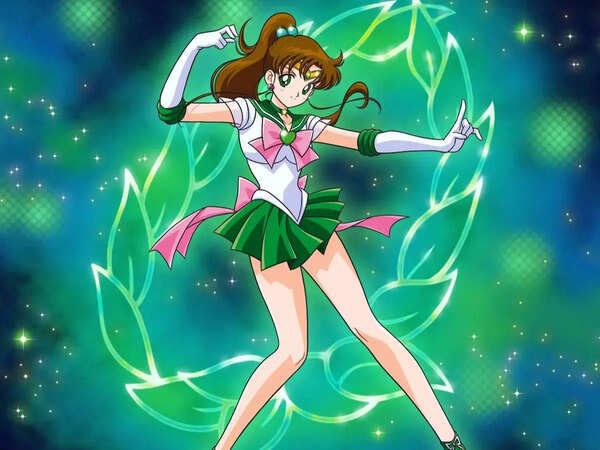
- Sailor Jupiter – The balance of strength and domesticity offers a nuanced view of femininity.
- Sailor Venus – As the group’s “idol” figure, she highlights the interplay between popularity and responsibility.
Each character’s personal challenges—ranging from family expectations to self‑esteem—remain relevant, allowing new viewers to find a piece of themselves in the story. Moreover, the series doesn’t shy away from LGBTQ+ representation, subtly hinting at diverse relationships that later adaptations have made more explicit.
Influence on Later Magical Girl Shows
Since its debut, Sailor Moon has inspired a wave of series that borrow its formula while adding fresh twists. Shows like Cardcaptor Sakura, Puella Magi Madoka Magica, and Pretty Cure owe a debt to the original’s emphasis on teamwork, transformation sequences, and the blend of everyday school life with supernatural threats. Even contemporary Western adaptations, such as “The Owl House,” echo Sailor Moon’s balance of humor and heartfelt storytelling.
Critics often point to the series’ pioneering use of “magical girl” tropes as a catalyst for broader acceptance of female‑led action anime. By proving that audiences would cheer for a group of girls wielding magical powers, Sailor Moon helped open doors for titles that now dominate streaming platforms.
Rewatchability in the Streaming Era
Today, the series is readily available on platforms like Crunchyroll and Netflix, complete with both the original Japanese audio and dubbed versions. The restoration of the 1990s color palette, coupled with remastered sound, offers a nostalgic yet crisp viewing experience. Fans often report that each rewatch uncovers new details—subtle foreshadowing, background Easter eggs, or nuanced character interactions—that were missed the first time around.
Streaming also fuels community engagement. Online watch parties, fan art challenges, and meme culture keep the conversation alive, ensuring that the sailor‑themed anime continues to feel like a living, breathing phenomenon rather than a relic of the past.
Why the Legacy Still Matters
Beyond its entertainment value, Sailor Moon serves as a cultural touchstone for empowerment. The series’ core message—“In the name of the Moon, I’ll punish you!”—is less about vengeance and more about standing up for love, friendship, and justice. For many, it introduced the idea that strength can coexist with vulnerability, a lesson that resonates in today’s discourse on mental health and gender roles.
In classrooms, the show is occasionally used to discuss mythological references, Japanese culture, and gender representation. Its accessibility across ages makes it a useful entry point for discussions about media literacy and the evolution of anime as an art form.
FAQ
Q: Is the original Sailor Moon series available with English subtitles?
A: Yes, most streaming services now host the 1992 series with both English dubbing and subtitle options, allowing viewers to choose their preferred language.
Q: How many Sailor Guardians are there in total?
A: Across the five main seasons, the series introduces twelve core Guardians, plus several supporting characters who appear in specific arcs.
Q: Did Sailor Moon inspire any real‑world fashion trends?
A: Absolutely. The iconic sailor collar and tiara have appeared on runway collections and streetwear lines, often cited as nostalgic references by designers.
Q: Can newcomers start with the 2014 live‑action adaptation?
A: While the live‑action series offers a fresh take, it diverges significantly from the anime’s tone. New fans typically find the original animated version more faithful to the source material’s spirit.