Why the 1990‑2000 Hip‑Hop Golden Era Still Rules
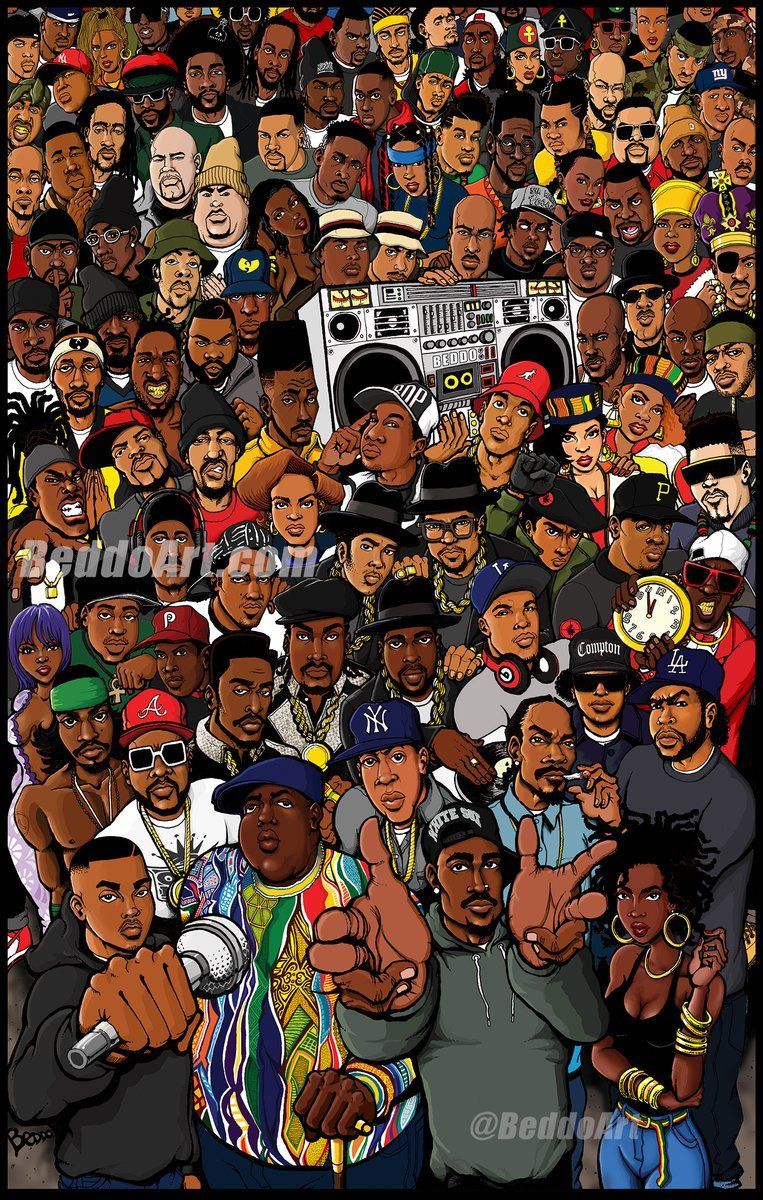
When you hear “Golden Era,” most fans picture a time when rhymes felt fresh, beats were groundbreaking, and the culture grew beyond the streets into mainstream consciousness. That decade—1990 through 2000—didn’t just produce hits; it reshaped the blueprint of hip‑hop forever. From block parties in the Bronx to massive stadium tours, the era proved that rap could be lyrical poetry, political commentary, and pure party fuel all at once.
The Soundtrack of a Generation
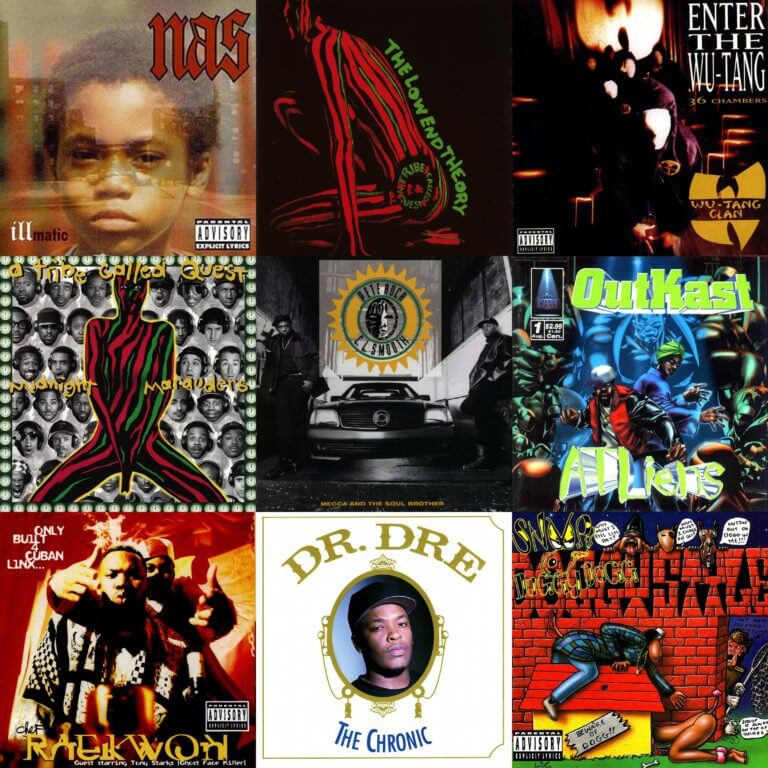
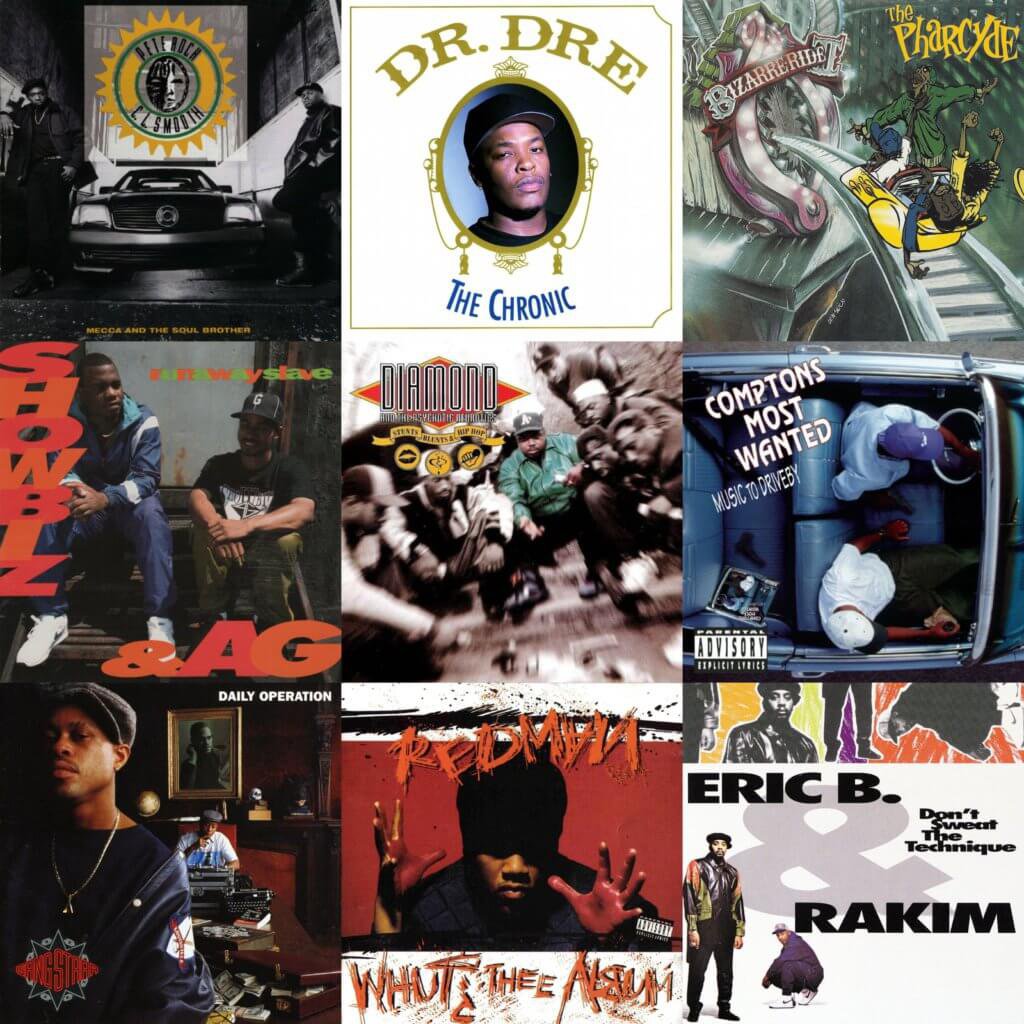
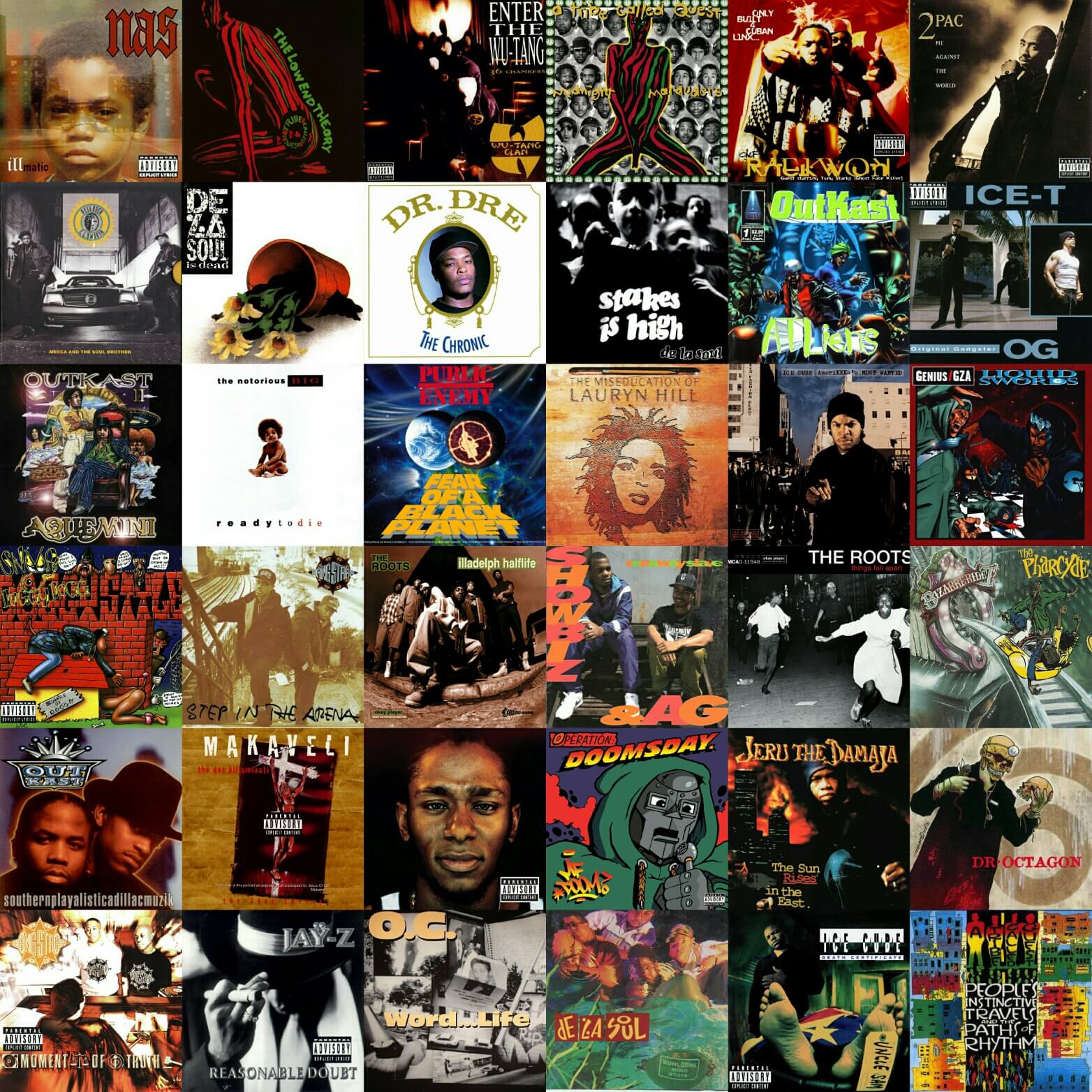
Early ’90s albums swapped drum‑machine monotony for layered sampling, while producers like Dr. Dre, DJ Premier, and RZA turned turntables into instruments. Dre’s “The Chronic” (1992) introduced G‑Funk’s smooth synths, a sound that made “West Coast” a household phrase. Across the country, Premier’s razor‑sharp cuts on Nas’s “Illmatic” (1994) turned raw street stories into timeless poetry.
RZA, meanwhile, crafted a hauntingly cinematic backdrop for Wu‑Tang Clan, blending kung‑fu movie scores with gritty Bronx loops. The result? A sonic collage that felt both nostalgic and futuristic—a formula many producers still chase.
Key Albums That Defined the Era
- Nas – “Illmatic” (1994): A sophomore‑year student turned lyrical legend, Nas painted Queensbridge with a vivid, unfiltered brush.
- Notorious B.I.G. – “Ready to Die” (1994): Biggie’s storytelling turned the Brooklyn streets into a tragic, larger‑than‑life saga.
- Lauryn Hill – “The Miseducation of Lauryn” (1998): Merged soul, reggae, and rap, showing that mainstream success could retain depth.
- OutKast – “Stankonia” (2000): Pushed Southern hip‑hop into the stratosphere with futuristic beats and quirky lyricism.
Why the Decade Still Resonates
First, the competition was fierce. Labels weren’t just pushing one superstar; they were building entire rosters. You could walk into a club and hear a Bad Boy track segue into a Death Row banger without missing a beat. That rivalry forced every artist to up their game, resulting in a steady stream of high‑quality releases.
Second, the lyrical focus shifted from braggadocio to storytelling. Rappers like Tupac Shakur used poetry to discuss systemic injustice, while groups such as A Tribe Called Quest infused jazz, proving hip‑hop could be both cerebral and dance‑able.
Finally, technology began to democratize production. Affordable samplers and the rise of home studios meant that a kid in Houston could spin a beat that rivaled anything coming out of New York. That accessibility sowed the seeds for the explosion of regional styles we see today.
Cultural Ripple Effects
Beyond the music, the era birthed fashion trends that still appear on runways. Baggy ‘90s denim, oversized flannels, and gold chains weren’t just style choices—they were symbols of identity, rebellion, and community.
Television and film also caught the wave. Shows like “The Fresh Prince of Bel‑Air” turned rap personas into mainstream heroes, while movies such as “Juice” and “Set i the Flavor” gave cinema a hip‑hop edge that Hollywood had previously ignored.
Hip‑Hop’s Political Pulse
Tracks like Public Enemy’s “Fight the Power” (though late ‘80s, its influence peaked in the early ’90s) and Ice‑Cube’s “It Was a Good Day” hinted at a burgeoning consciousness. By 1999, groups like The Roots were performing at presidential inaugurations, showcasing that rap could occupy the same space as classic American folk.
Legacy in Today’s Scene
Modern megastars still cite those ’90s legends as foundational. Kendrick Lamar’s intricate storytelling mirrors Nas, while Drake frequently samples R&B hooks that first rose in the Golden Era. Even producers obsess over the “boom‑bap” drum pattern—hard‑hitting kicks and snappy snares—that defined many tracks of the decade.
Streaming platforms have turned the era into a perpetual playlist. A casual listener might discover “Nuthin’ but a G Thang” and instantly be led to underground East Coast gems like Mobb Deep’s “The Infamous”. The cycle keeps the music alive and constantly relevant.
Collecting the Moment: Vinyl, Merchandise, and Memory
Vinyl sales of ‘90s hip‑hop have surged in the past five years. Collectors prize original pressings of Wu‑Tang’s “Enter the Wu‑Tang (36 Chambers)” for their raw edge and limited run. Likewise, limited‑edition sneakers—think Air Jordans spotted in “Shoop” videos—continue to fetch premium prices.
But it’s not just about profit. Wearing a vintage “Got Milk?” shirt from a 1995 concert feels like a badge of honor, a nod to an era when authenticity mattered more than viral clicks.
What Keeps the Magic Alive?
Simply put, the Golden Era wasn’t a manufactured moment; it was a confluence of talent, technology, and tension. The sheer volume of groundbreaking releases, paired with an unfiltered street perspective, created a cultural artifact that refuses to fade.
Whether you’re a teenager discovering “Nuthin’ but a G Thang” on a streaming playlist or an old‑school head who still has mixtapes from ’95 tucked in a closet, the music from 1990‑2000 speaks a language that feels both nostalgic and urgent. It reminds us that hip‑hop’s power lies not just in beats, but in the stories they carry.