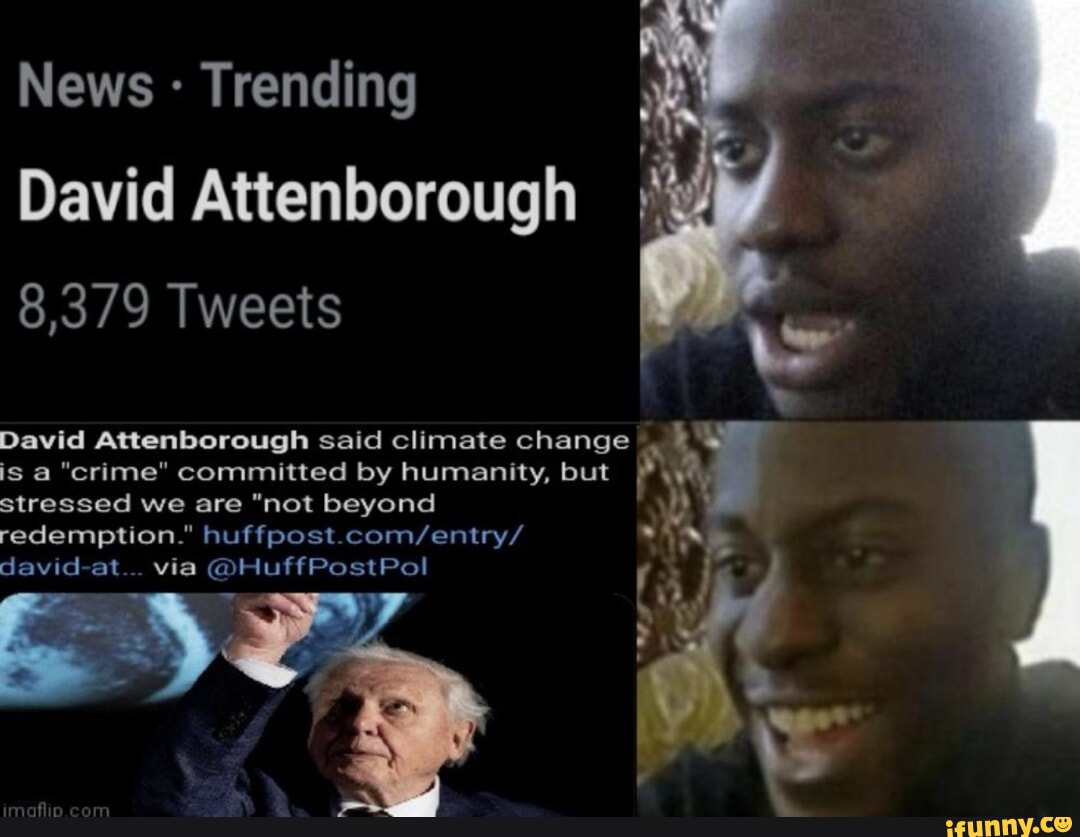
Why the David Attenborough Voice Is Dominating Meme Culture
It’s hard to scroll through TikTok or Instagram without hearing that unmistakable, calm narration that sounds like Sir David Attenborough describing a tiny insect or a distant galaxy. The phenomenon—short clips of everyday situations paired with his iconic voice‑over—has exploded into a meme subgenre that’s both clever and oddly comforting.
The Birth of a Voice Meme
When a creator first slapped a clip of a cat tumbling off a couch with Attenborough’s soothing commentary, nobody could have predicted the avalanche that followed. The meme’s formula is simple:
- Choose a mundane or absurd moment.
- Overlay a short audio snippet of Attenborough’s narration—often repurposed from his documentaries.
- Add a caption that frames the scene as “a rare glimpse into the wild” of modern life.
What makes it work is the contrast. The narrator’s reverent tone, typically reserved for exotic ecosystems, suddenly treats a spilled coffee or a broken Wi‑Fi router as if it were a species on the brink of extinction.
Why We Love It
Three psychological triggers keep the trend alive:
1. Nostalgia Meets Novelty
Many of us grew up watching Planet Earth or Blue Planet. Hearing that familiar cadence triggers fond memories, while the absurd visual flips expectations on their head.
2. The “Grandiose” Effect
Elevating the trivial to the epic satisfies a desire for humor that feels intelligent. It’s the digital version of saying, “Look at how serious I am about my morning routine.”
3. Shareability
Short, punchy, and instantly recognizable—these clips fit perfectly into the 15‑second scroll. They’re easy to remix, which fuels a perpetual loop of new variations.
How Creators Pull It Off
Behind the laughter lies a surprisingly meticulous process:
- Audio sourcing. Most use public‑domain excerpts from Attenborough’s older BBC series, then trim the line to fit the joke.
- Timing. The narration must sync with the visual punchline; a misaligned pause can ruin the effect.
- Captioning. A well‑crafted caption frames the absurdity, often using scientific‑style language (“Observe the rare phenomenon of…”).
Some creators even mimic Attenborough’s intonation themselves, adding a layer of parody while avoiding copyright concerns.
The Cultural Ripple Effect
Beyond laughs, the meme has nudged a broader conversation about wildlife appreciation. A handful of environmental NGOs have borrowed the format to spotlight real conservation issues, pairing genuine footage with the same dignified narration to reach younger audiences.
Meanwhile, the meme’s popularity has sparked a surge in merchandise—t‑shirts, phone cases, and even limited‑edition audio clips sold on platforms like Etsy. It’s a reminder that humor can translate into tangible support for causes, however indirect.
When the Trend Might Fade
All viral waves eventually recede. Predictors suggest the Attenborough meme could lose steam when:
- Audiences tire of the repetitive structure.
- New narrators rise to prominence, offering fresh comedic contrast.
- Platform algorithms shift focus toward longer‑form content.
Yet, given the timeless appeal of the voice itself, we may see periodic revivals—much like fashion cycles that bring back vintage looks.
Tips for Jumping In (If You’re Curious)
Thinking of creating your own Attenborough‑style meme? Here are a few quick pointers:
- Pick a moment that’s relatable—something you’ve probably witnessed in your own home.
- Keep the narration short; 5‑7 seconds is ideal.
- Use scientific phrasing sparingly—enough to sound authentic, but not so much that it becomes pretentious.
And remember: the charm lies in the subtle mismatch, not in over‑editing.
Beyond the Meme: A Lasting Legacy
Whether you’re laughing at a hamster’s daring escape or a burnt toast that “fails to adapt,” the David Attenborough voice meme has shown how a single vocal style can bridge generations, genres, and even causes. It reminds us that a touch of wonder—delivered in a calm, measured tone—can make even the most ordinary moment feel extraordinary.