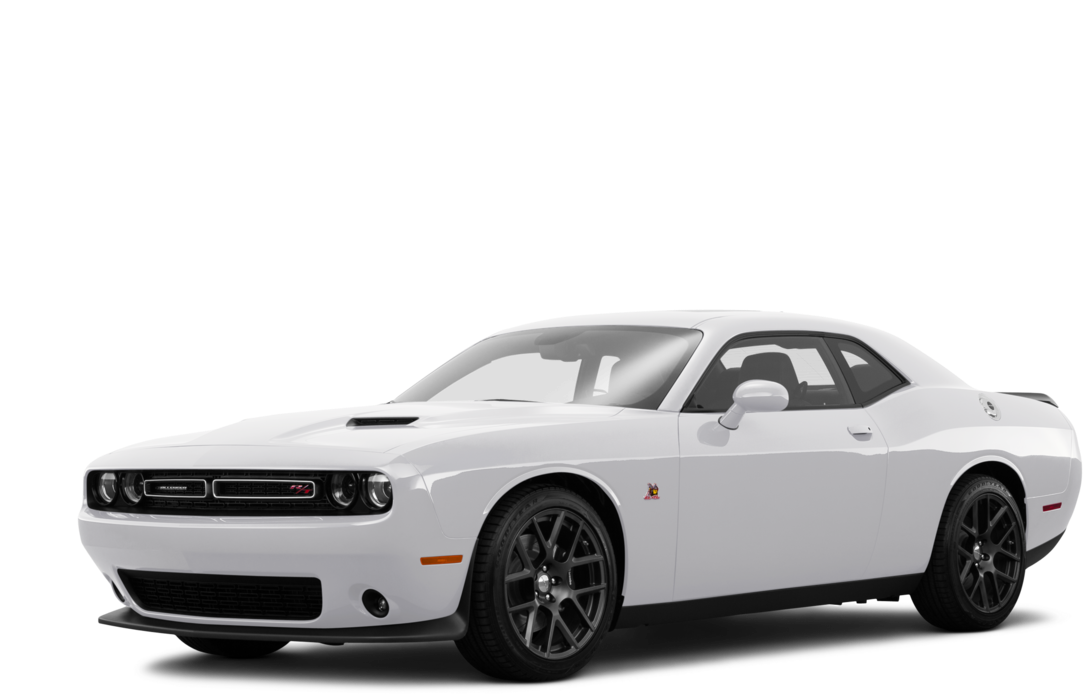
Why the Dodge Challenger Became a High‑Speed Chase Icon
The Muscle Car’s Roots in American Performance Culture
The Dodge Challenger first roared onto the scene in 1970, arriving as a direct answer to the pony‑car wars that defined the late‑sixties. With its long, aggressive hood and a lineup that included the legendary 426 Hemi, the Challenger quickly earned a reputation for raw power and unapologetic styling. Decades later, when Dodge revived the nameplate in 2008, the automaker deliberately tapped into that heritage, delivering a modern muscle car that feels both nostalgic and terrifyingly capable on today’s highways.
Design Elements That Make It Perfect for Pursuit Scenes
There’s something about the Challenger’s silhouette that screams “ready for a chase.” The wide stance, flared wheel arches, and unmistakable cross‑hair grille create a visual punch that translates well on screen. Inside, the cabin balances retro cues—like the classic three‑spoke steering wheel—with contemporary tech, ensuring drivers can focus on high‑speed maneuvers without feeling cramped.
Powertrains That Deliver Real‑World Speed
When filmmakers need a car that can accelerate from zero to sixty in under five seconds, the Challenger’s engine options are hard to ignore. The standard 3.6‑liter V6 offers respectable performance, but it’s the optional 5.7‑liter HEMI V8 that truly shines, pushing out roughly 375 horsepower. For the ultimate spectacle, the SRT Hellcat version packs a supercharged 6.2‑liter V8 that cranks out over 700 horsepower, allowing the car to sprint past 200 mph on a straightaway. Those figures aren’t just bragging rights—they translate to thrilling chase sequences that feel authentic.
Pop Culture Moments That Cemented Its Status
One of the most memorable on‑screen moments came in “Fast & Furious 5,” where a black Challenger SRT8 roared through the streets of Los Angeles, its exhaust note echoing off skyscrapers. The car’s presence in that blockbuster cemented its image as a high‑speed chase icon for a new generation. Earlier, the 1970 model appeared in classic police dramas, its deep V8 growl becoming a soundtrack for high‑octane pursuits. Even TV series like “The Walking Dead” have featured the Challenger, reinforcing its association with danger and speed.
Why Law Enforcement and Stunt Drivers Favor It
Beyond the silver screen, real‑world police departments have occasionally trialed the Challenger for high‑speed intercepts. Its rear‑wheel‑drive layout offers predictable handling at the limit, and the availability of performance brakes provides the stopping power needed after a rapid sprint. Stunt drivers also appreciate the car’s durability; the robust chassis can endure repeated high‑g pulls without the constant need for reinforcement, making it a practical choice for demanding shoot schedules.
Customization: Tailoring the Beast for the Perfect Chase
Owners often outfit their Challengers with aftermarket upgrades that enhance both performance and visual impact. Wide‑body kits add a more aggressive stance, while carbon‑fiber spoilers improve downforce at high speeds. On the mechanical side, aftermarket turbochargers or supercharger kits can boost power well beyond factory specs, giving directors the freedom to script even more dramatic acceleration runs. The aftermarket community has essentially turned the Challenger into a modular platform for chase‑scene perfection.
Driving Experience: What It Feels Like to Be Behind the Wheel
Sitting in a Challenger, you’re immediately aware of its weight and the throbbing V8 beneath you. The steering is heavy enough to convey confidence, yet responsive enough to tease the driver into precise lane changes—a necessity when weaving through traffic at breakneck speeds. The exhaust note, especially on the Hellcat, is a deep, rumbling growl that seems to announce its presence before you even turn the corner, a sonic cue that adds drama to any pursuit.
Future Prospects: Will the Icon Evolve?
Dodge has hinted at hybrid or electric variants for the Challenger lineup, aiming to blend classic muscle with modern efficiency. If those models retain the characteristic silhouette and deliver comparable torque, the high‑speed chase icon status could transition seamlessly into the electrified era. Until then, the current generation continues to dominate both the streets and the silver screen, proving that raw horsepower still has a place in storytelling.
FAQ
- What makes the Dodge Challenger suitable for movie chase scenes? Its combination of aggressive styling, powerful V8 engines, and rear‑wheel‑drive dynamics provides both visual impact and real‑world performance that translates well on camera.
- Is the Challenger actually used by police departments? Some law‑enforcement agencies have tested the Challenger for high‑speed pursuits due to its acceleration and handling, though it’s more commonly a stunt‑driver favorite than a standard patrol vehicle.
- Can the Challenger be modified for even greater speed? Yes, the aftermarket offers turbochargers, supercharger kits, and performance brakes that can significantly boost horsepower and improve handling for extreme chase scenarios.
- Will future electric versions keep the chase‑icon reputation? If manufacturers preserve the Challenger’s iconic design and ensure ample torque output, electric models could maintain the car’s reputation for high‑speed drama.