Why Victoria’s Secret’s Inclusivity Push Fell Apart
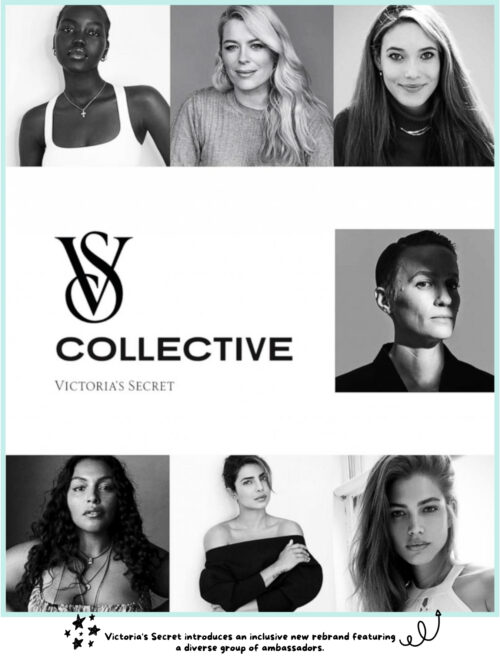
When Victoria’s Secret announced a new “inclusive” campaign, the lingerie giant seemed ready to shed its old‑school, ultra‑glamour image. Yet just months later the effort was labeled an “inclusivity failure” by critics and shoppers alike. The headline‑grabbing promises, the token‑model line‑up, and the hurried rebrand all pointed to deeper miscalculations that the brand never fully addressed.
The Legacy That Was Hard to Erase
For decades Victoria’s Secret built its reputation on fantasy‑laden runway shows, scanty bras, and a narrow definition of beauty. Those shows, while spectacular, reinforced a very specific body ideal—tall, thin, and traditionally “sexy.” When social media amplified calls for body positivity, the brand’s past glimmered as a liability rather than an asset.
Attempting to pivot without first acknowledging that legacy meant the new messaging felt more like a band‑aid than a genuine transformation. Long‑time fans felt alienated, while prospective customers remained skeptical that the change was anything more than a marketing stunt.
Tokenism Over Authentic Representation
One of the first missteps was the composition of the inaugural inclusive campaign. The lineup featured a handful of plus‑size and Black models, but they appeared alongside the same familiar “angel” faces. Critics quickly pointed out that the brand was merely ticking diversity boxes rather than reshaping its core aesthetic.
- Models were often placed in the background, receiving less screen time.
- The campaign’s copy used buzzwords like “all bodies welcome” without backing them up with concrete product ranges.
- Social media reactions highlighted a perception that the brand was borrowing inclusivity language without changing its design philosophy.
When a company showcases diversity as a visual garnish while retaining its original product focus, the effort rings hollow. Consumers today expect structural change—expanded size ranges, adaptive designs, and marketing that celebrates a spectrum of beauty, not just a handful of stand‑ins.
Design Gaps That Undermined the Message
Even if the campaign had featured a perfectly curated model roster, the underlying product line remained largely unchanged. Many shoppers reported that the new “inclusive” collections still lacked true plus‑size options, supportive fabrics for diverse body shapes, and inclusive color palettes.
Industry insiders note that a successful inclusivity overhaul usually starts in the design studio. Brands that have earned praise—such as Aerie or Savage X Fenty—began by expanding their size charts, redesigning patterns for different body proportions, and involving diverse consultants early in the development process.
Missing the Feedback Loop
Victoria’s Secret’s rollout also omitted a critical feedback mechanism. After the campaign launch, there was little visible effort to engage directly with the communities it claimed to serve. Without open dialogue, the brand missed opportunities to refine fit, address fabric concerns, and adjust marketing tone based on real‑world experiences.
The Role of Social Media Backlash
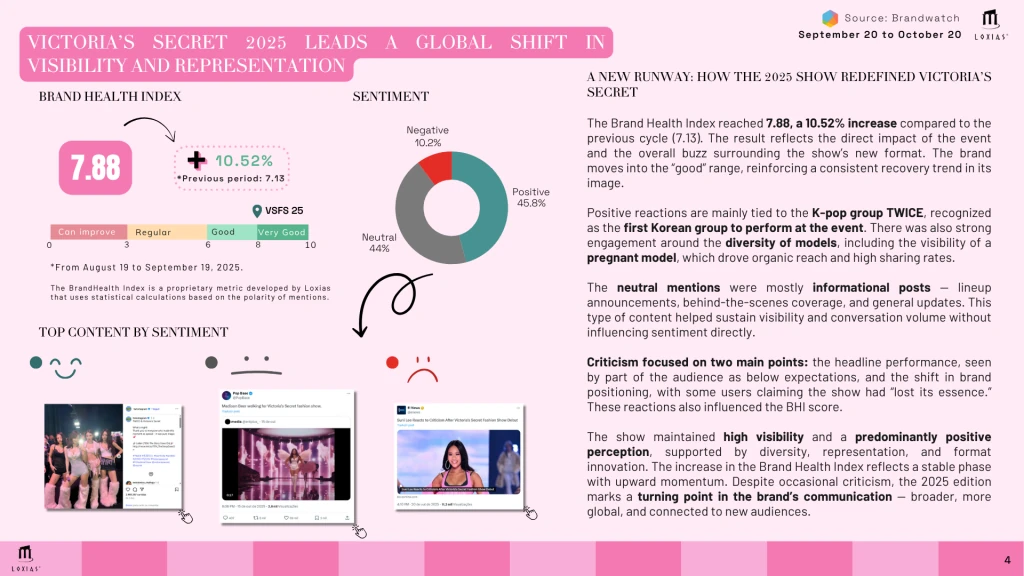
Social platforms amplified every misstep. Influencers who had long criticized the brand’s narrow aesthetic seized the moment to call out the new campaign as performative. Hashtags like #VictoriaSecretFail trended, and the negative sentiment quickly outweighed the brand’s hopeful press releases.
In the age of instant commentary, a single perceived miscalculation can snowball. The brand’s response—often a generic apology and a promise of “more to come”—did little to quell the criticism, reinforcing the narrative that the inclusivity push was an afterthought.
Lessons Learned for Future Rebrands
Authentic inclusivity requires more than a headline and a handful of diverse faces. It demands a holistic overhaul that touches design, marketing, corporate culture, and community engagement. Below are three takeaways for any legacy brand attempting a similar transformation:
- Start with product. Expand size ranges, test fabrics on varied body types, and involve diverse designers from day one.
- Tell real stories. Feature customers who genuinely use the products, not just professional models.
- Listen and iterate. Create channels for ongoing feedback and publicly act on that input.
When these pillars are in place, the shift from “failure” to “success” becomes achievable—not just for Victoria’s Secret but for any company navigating the modern demand for authentic representation.
FAQ
Did Victoria’s Secret ever feature diverse models before 2023?
Yes, the brand occasionally included non‑traditional models in limited campaigns, but such moments were sporadic and never part of a sustained inclusivity strategy.
What specific changes has Victoria’s Secret announced since the backlash?
The company stated it would broaden its size range to 1X‑4X, collaborate with external designers focused on inclusive fit, and launch a dedicated community forum for customer feedback. Implementation timelines remain vague.
How can lingerie brands ensure inclusivity feels genuine?
By integrating diverse perspectives into every stage—from design sketches to final marketing—and by being transparent about progress, challenges, and future goals.
.jpg?itok=Cbk42Y9-)