Why Your Car Was Stopped During a Traffic Diversion
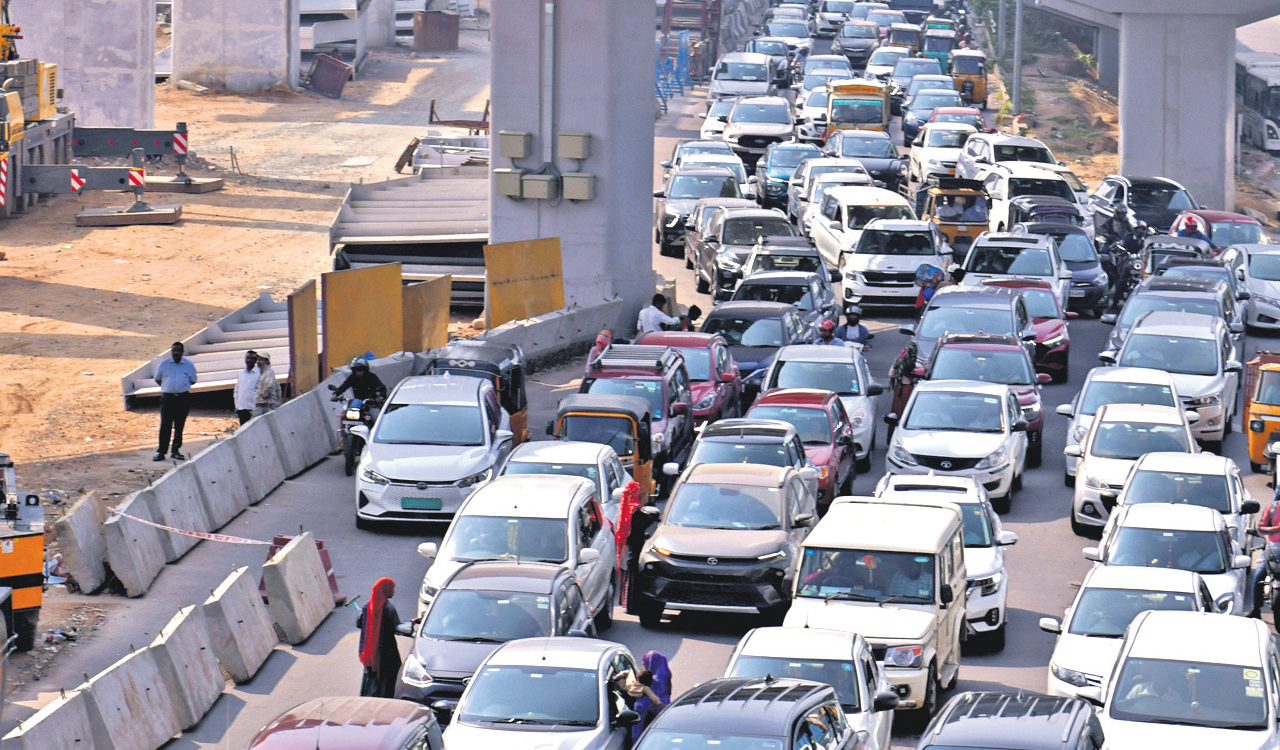
Ever found yourself idling at a temporary barrier, wondering why police or traffic officers pulled you over? It’s more common than you think, especially when city planners reroute vehicles around construction sites, accidents, or special events. The answer often lies in a mix of safety rules, signage misinterpretation, and the oddball quirks of local traffic management. Below we unpack the most frequent reasons your car might be stopped amid a diversion and what you can do to keep the road‑trip stress to a minimum.
Understanding Traffic Diversions
A traffic diversion is essentially a short‑term detour that redirects the normal flow of vehicles. Authorities set them up to:
- Maintain access to work zones or emergency scenes.
- Prevent congestion on the main route.
- Protect pedestrians and cyclists from hazardous conditions.
Because diversions are temporary, the signs and markings can change overnight, leaving drivers a little disoriented. That’s when the “why was I stopped?” moment often appears.
Common Triggers for a Stop
1. Ignoring Temporary Signs
Even if a sign looks similar to a permanent one, the added orange background, flashing lights, or “detour” wording signals that a different set of rules applies. Missing a “No Entry” sign or traveling the wrong way down a one‑way detour can instantly draw officer attention.
2. Speeding on a New Route
Drivers sometimes assume the speed limit stays the same as on the original road, but many diversions impose reduced limits to account for narrower lanes or sharp turns. A radar gun that registers 45 km/h in a 30 km/h zone will prompt a stop.
3. Blocking Access Points
Construction zones often have equipment or material piles near the temporary lane. Parking or stopping too close to these “no‑stop” zones can force officers to intervene, both for safety and to keep traffic moving.
4. Failure to Yield to Emergency Vehicles
During a diversion, ambulances, fire trucks, and police may need to navigate the same temporary path. If a driver fails to give way, the officer may pull them over to issue a warning or citation.
5. Unclear or Inconsistent Road Markings
Some municipalities repaint lane lines quickly, while others wait days. A half‑painted arrow or faded “detour” marking can create genuine confusion. In such cases, officers often stop drivers simply to clarify the intended direction.
What to Do When You’re Stopped
- Stay Calm. Breath in, and remember the officer is there to keep everybody safe.
- Provide Documentation. License, registration, and proof of insurance should be readily accessible.
- Listen Carefully. Officers will explain why they stopped you—often it’s a quick clarification rather than a formal citation.
- Ask Questions Respectfully. If you’re unsure about a sign or speed limit, politely request clarification.
- Follow Instructions. Whether it’s moving to a different lane or pulling over completely, compliance helps resolve the matter faster.
Tips to Avoid Being Stopped in the First Place
Proactivity pays off. Here are a few habits that can keep you on the right side of the road during diversions:
- Check local traffic authority websites or apps before a long drive; they often post upcoming diversions.
- Pay extra attention to orange signs and flashing lights; they usually indicate temporary rules.
- Reduce speed by at least 10 km/h when entering a detour, even if the posted limit seems unchanged.
- Observe the behavior of surrounding drivers—if most are hugging the curb or using a different lane, follow suit.
- Keep your headlights on low‑beam during dusk or heavy rain; visibility of temporary markings improves markedly.
When a Stop Leads to a Citation
Most stops during diversions end with a warning, but if you’re issued a ticket, the reasons typically involve:
- Exceeding the temporary speed limit.
- Driving the wrong way on a one‑way detour.
- Parking in a restricted zone.
- Failing to yield to an emergency vehicle.
In many jurisdictions, you have the option to contest the ticket if you genuinely believe signage was inadequate. Collect photos, note the exact location, and gather witness statements if possible. That evidence can make a difference in court.
Special Cases: Large Vehicles and Public Transport
Bus routes, delivery trucks, and tow trucks often have specific allowances or restrictions during diversions. If you’re driving a commercial vehicle, be sure to consult the carrier’s handbook or the department of transportation’s guidelines, as non‑compliance can trigger heavier penalties.
Final Thoughts
Traffic diversions are meant to be temporary solutions, but they can feel like a maze when you’re caught off guard. The key takeaway? Treat every orange sign, flashing beacon, and altered lane marking as a fresh set of rules, and keep a modest speed cushion. When you’re pulled over, a cooperative attitude usually turns a potential hassle into a brief clarification.