Your Complete Guide to Body Armor Motorcycle Jackets
When you hit the road on a bike, the gear you wear does more than just look cool – it can be the line between a quick scrape and a serious injury. A body armor motorcycle jacket blends protection and comfort, letting you focus on the ride instead of what might happen if you fall. In this guide we’ll unpack the technology behind modern jackets, show you how to choose a fit that matches your riding style, and share maintenance tips that keep the armor doing its job for years.
Why Choose a Body Armor Motorcycle Jacket?
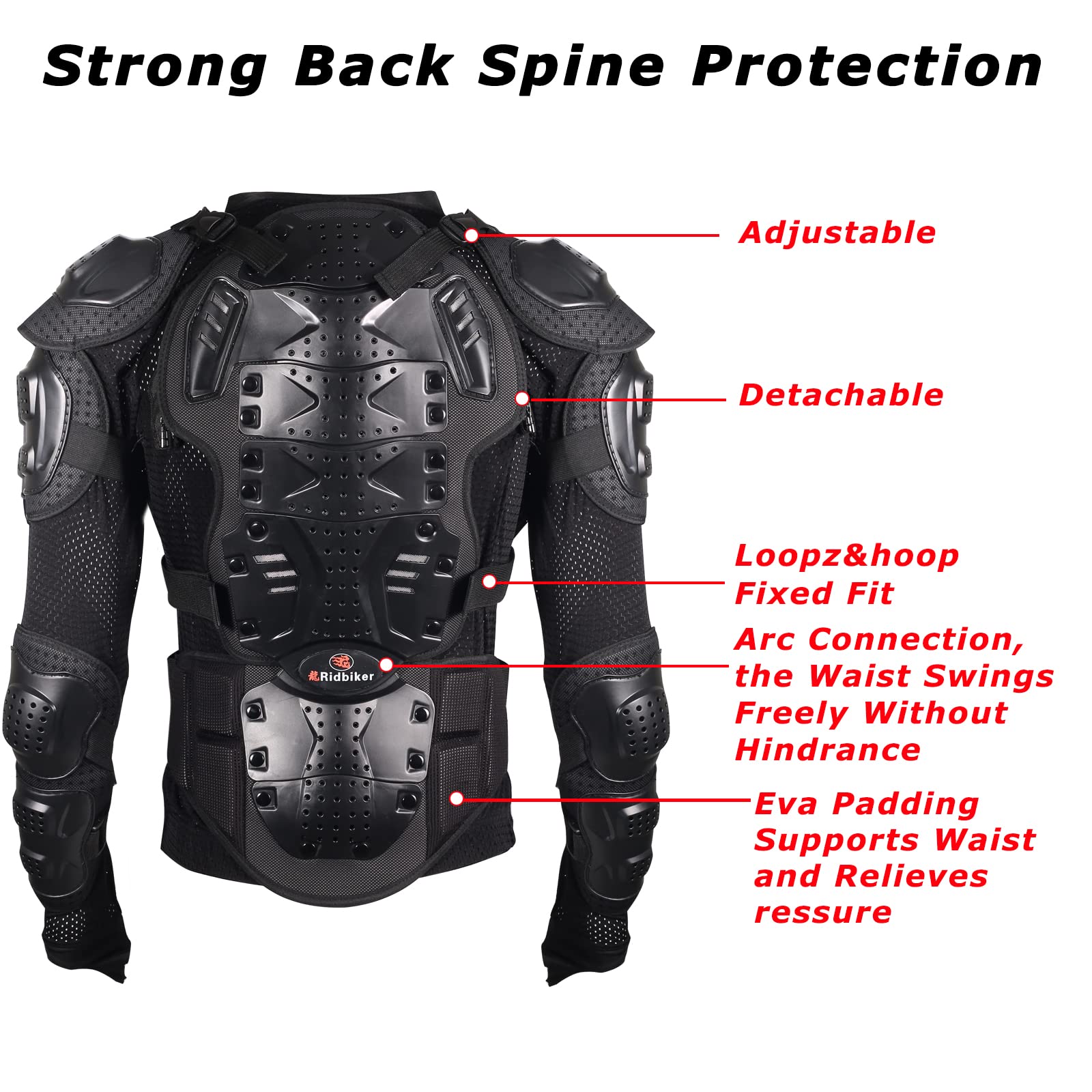
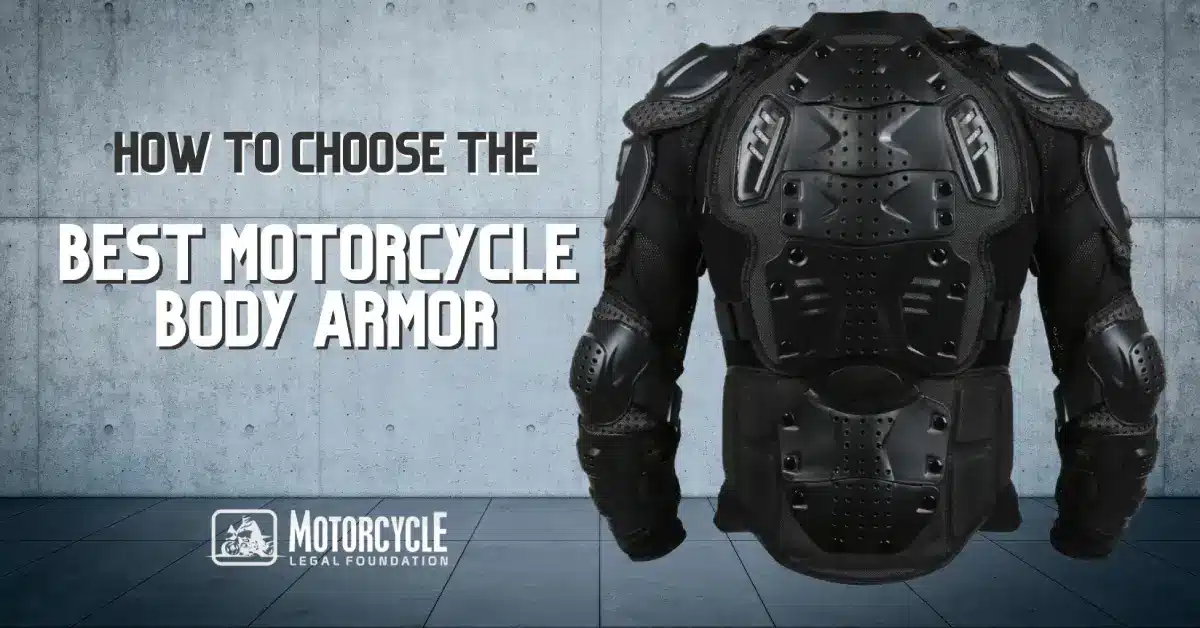
Traditional leather or textile jackets protect against wind and abrasion, but they often lack the hard‑shell defense needed in a high‑speed crash. Body armor jackets incorporate impact‑resistant panels—usually made of CE‑rated foam, hard plastic, or a blend of carbon‑fiber composites—directly into the seams. That means a hard blow to the shoulder, elbow, or back is dispersed across a larger area, reducing the risk of fractures or internal injuries.
Beyond safety, these jackets are designed to stay breathable. Perforated liners and moisture‑wicking liners pull sweat away from the skin, so you don’t feel like you’re wearing a sauna suit even on a summer ride. The result is a piece of gear that works as hard as you do.
How to Pick the Right Body Armor Motorcycle Jacket for You
The “best” jacket is the one that fits your body, riding conditions, and budget. Here are the key factors to weigh before you click “add to cart.”
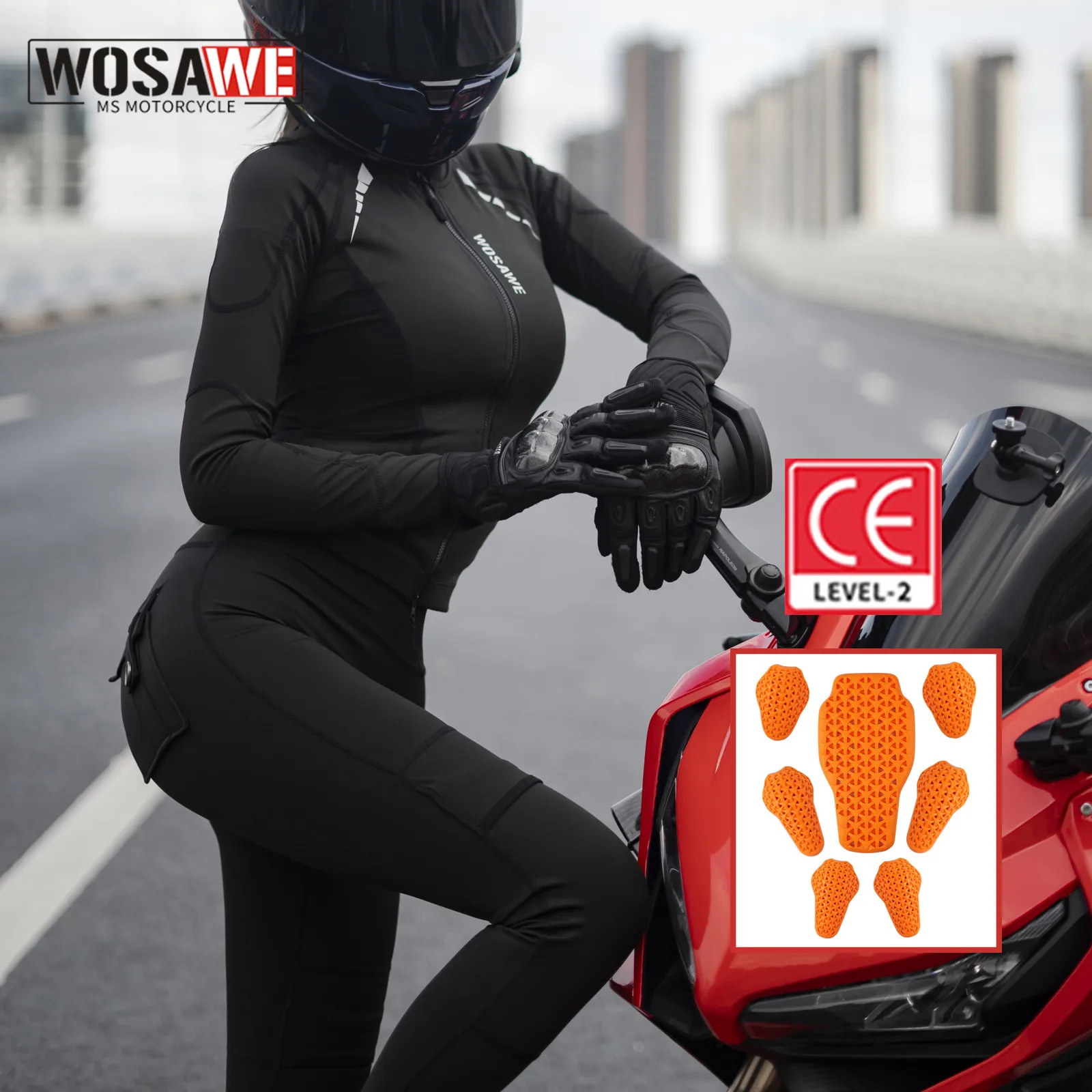
- Level of armor certification. Look for CE Level 1 or Level 2 ratings; Level 2 offers higher impact protection, especially useful for sport or off‑road riding.
- Material composition. Kevlar and Cordura fabrics provide excellent abrasion resistance, while removable liners let you adapt to temperature changes.
- Coverage zones. Some jackets protect only the elbows and shoulders, while premium models extend protection to the chest, back, and even the hips.
- Fit and adjustability. A snug fit prevents the armor from shifting in a crash. Adjustable straps at the waist, cuffs, and collar help you dial in a personalized fit.
- Ventilation system. Zip‑open panels and mesh inserts are a must for hot climates; double‑zip designs let you control airflow without compromising protection.
Try the jacket on with your usual riding gear—boots, gloves, and any back protector you already own. If the jacket feels too bulky or restricts arm movement, it’s probably not the right match, even if the specs look impressive on paper.
Materials and Impact Protection Explained
Most modern jackets use a sandwich construction: a soft liner on the inside, a hard plate in the middle, and a tough outer shell. The hard plate might be:
- **Foam‑in‑plastic (E‑PP)** – lightweight, good for low‑speed falls.
- **Thermoplastic polycarbonate (PC)** – harder, better for high‑speed impacts.
- **Carbon‑fiber composite** – ultra‑light and very strong, though often pricier.
The soft liner typically consists of closed‑cell foam that returns to shape after a hit, reducing “bottom‑out” forces that could otherwise bruise the rider. Together, these layers work like a modern car’s crumple zone, absorbing kinetic energy before it reaches your body.
Design Features That Matter on the Road
Beyond armor, a good motorcycle jacket includes practical details that improve the riding experience:
- Reflective piping or inserts. In low‑light conditions, these elements make you more visible to drivers.
- Storm flaps and high collars. They keep wind and rain out, which helps maintain body temperature and reduces fatigue.
- Secure pockets. Zippered or zip‑tied pockets protect documents, phone, or cash from slipping out during a maneuver.
- Integrated communication ports. Some jackets feature cutouts for Bluetooth headsets, allowing you to stay connected without adding bulk.
Maintenance Tips to Keep Your Armor Effective
Armor doesn’t last forever, but proper care can extend its life dramatically. Follow these simple steps after each ride:
- Brush off dust and road grime with a soft brush before washing.
- Hand‑wash the jacket in lukewarm water using a mild detergent; avoid harsh chemicals that can degrade the outer fabric.
- Air‑dry the jacket on a hanger away from direct sunlight; prolonged UV exposure can weaken plastic plates over time.
- Inspect armor plates regularly for cracks or delamination. If you spot a flaw, replace the panel or the whole jacket, depending on the manufacturer’s warranty.
Storing the jacket on a wide hanger helps maintain its shape, especially around the shoulders where the armor is most concentrated.
Common Myths About Body Armor Jackets
Even seasoned riders sometimes hear misconceptions that steer them away from the right gear. Let’s set the record straight.
- Myth: “Armor makes the jacket too heavy.” Modern composites are surprisingly lightweight; many premium jackets add only a few ounces compared to a standard textile jacket.
- Myth: “You don’t need armor if you’re a casual rider.” Accidents can happen at any speed. Even a low‑speed fall can generate enough force to fracture a bone without proper protection.
- Myth: “All armor jackets are the same.” CE ratings, material choices, and coverage zones vary widely. A commuter might prioritize ventilation, while a track rider needs full‑body protection.
FAQ
Do I need a body armor jacket if I already wear a back protector?
Yes. A back protector shields the spine, but a body armor jacket adds protection for the shoulders, elbows, and sometimes the chest. The combined coverage reduces overall injury risk.
Can I replace the armor plates myself?
Most manufacturers design jackets with removable plates, allowing you to swap them out when they’re damaged or when you want to upgrade to a higher‑grade material. Just follow the brand’s instructions to avoid compromising the fit.
Are body armor jackets street‑legal everywhere?
Generally, they are. However, some regions have specific regulations about reflective materials or the type of armor used on public roads. A quick check with your local motorcyclist association can clear up any doubts.
How often should I replace my jacket’s armor?
While the outer shell may last years, armor plates can lose effectiveness after a significant impact or after several years of exposure to sunlight and heat. Inspect them annually; if you notice cracks or the jacket has been in a crash, replace the armor promptly.