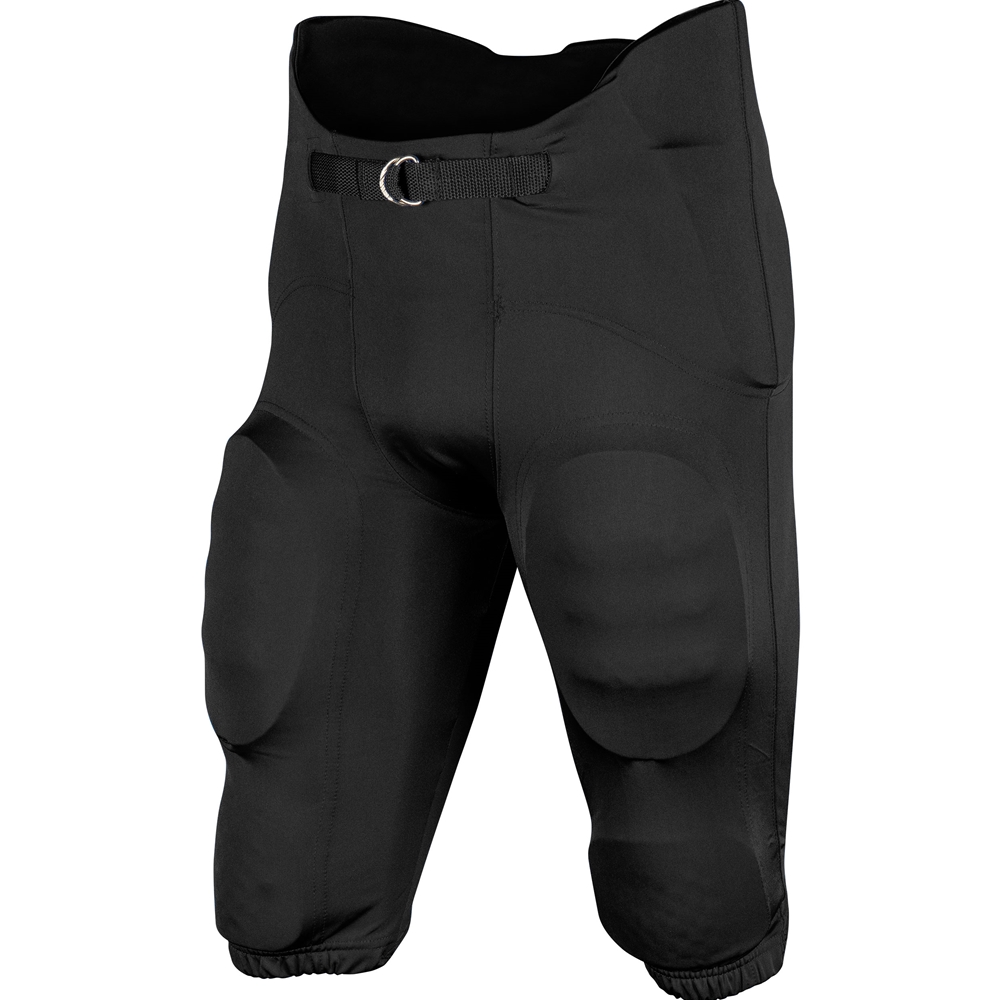
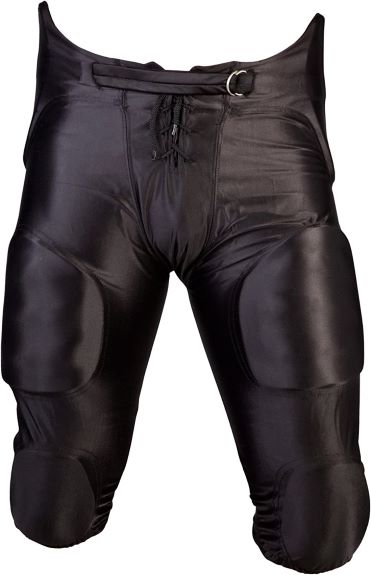
Your Complete Guide to Football Pants & Pads
There is a distinct sound in the world of American football. It’s the heavy, rhythmic thud of leather and turf, punctuated by the sharp crack of pads colliding. For any player stepping onto the gridiron, that noise is both terrifying and exhilarating. But behind the adrenaline lies a critical piece of equipment that often gets overlooked in the hype: the pants. Football pants aren't just fabric; they are the foundation of your protective gear system. Football pants & pads work together to disperse impact, protect vital joints, and keep you mobile enough to make plays.
Why Pants Are More Than Just Fabric
When most people think of football armor, they picture the bulky shoulder pads or the glossy helmet. Yet, the lower body takes a beating that is just as severe, if not more frequent. Linemen engage in constant grappling, while receivers and running backs face relentless tackles to the thighs, hips, and knees. Without proper leg protection, a single awkward pivot or a hard hit can sideline a season.
The modern football pant has evolved significantly from the heavy, denim-like trousers of the past. Today’s designs are engineered with a dual purpose: protection and agility. They sandwich internal padding between layers of durable, stretch-resistant synthetic materials. This construction allows the padding to stay in place during high-intensity movement, ensuring that when contact happens, the energy is dispersed evenly rather than concentrated on a single point of bone.
Understanding the Pad Composition
Not all padding is created equal. When examining the interior of your gear, you’ll typically encounter a mix of materials designed for specific functions:
- EVA Foam: This is the most common material found in mid-tier and entry-level pants. Ethylene-vinyl acetate offers a good balance of cushioning and weight. It’s lightweight, breathable, and absorbs moderate impacts effectively. For most high school and college players, high-density EVA foam is the gold standard.
- Memory Foam: Often used in hip and tailbone areas, memory foam conforms to the player’s body shape. It provides a custom fit that moves with you, reducing friction and hot spots during long practices. However, it takes longer to recover its shape after a hard hit compared to other foams.
- Polyethylene Inserts: Found in premium pro-grade pants, these hard plastic inserts offer maximum impact protection. They are rigid but flexible enough to bend with the leg. While they add a bit more weight, they are incredibly effective at stopping knee caps from bruising during dives or tackles.
Choosing the Right Fit for Your Position
One size does not fit all, both literally and functionally. Your position on the field dictates the type of protection and mobility you need. A quarterback needs different range of motion than a linebacker, and this reflects in how their pants are cut and padded.
For Skill Positions
Running backs, wide receivers, and quarterbacks prioritize speed and agility. They often prefer streamlined pants with minimal bulk. The padding in the thighs and knees is essential, but excess weight can slow them down during sprints and cuts. Look for pants with flexible side panels and thinner, yet highly resilient, foam options. The fit should be snug but not restrictive, allowing for full knee extension during kicking or high-stepping.
For Linemen
Offensive and defensive linemen face the brunt of the physical contact. They require maximum protection in the hips, thighs, and tailbone. Their pants often feature thicker padding and a more robust construction to withstand the constant grinding of the line of scrimmage. Durability is key here, as linemen’s legs take the most friction from diving and ground contact. A looser fit in the thighs helps with air circulation during intense, close-quarters play.
Proper Sizing and Maintenance
Getting the right size is crucial. Pants that are too loose will shift during play, leaving gaps in protection when you need them most. Pants that are too tight can restrict blood flow and limit your range of motion, leading to muscle strain. Always consult the manufacturer’s sizing chart, which usually measures waist, inseam, and sometimes thigh circumference.
Maintenance is another aspect that players often neglect. Your pants are exposed to sweat, grass stains, and mud. Regular washing according to the label’s instructions keeps the material intact and prevents bacterial growth. Never dry clean football pants unless explicitly stated by the manufacturer, as harsh chemicals can degrade the foam and elastic components. Air drying is generally the safest method to preserve the integrity of the padding.
Safety Standards and Regulations
For scholastic and collegiate athletes, compliance with safety standards is non-negotiable. Ensure your pants meet the NOCSAE (National Operational Committee on Safety Equipment) guidelines. While pants themselves don’t always carry the same stringent certification labels as helmets or shoulder pads, they must integrate seamlessly with your existing certified gear. Using incompatible padding can void warranty coverage on other equipment and, more importantly, compromise your safety.
FAQs About Football Pants and Pads
How often should I replace my football pants?
Generally, you should inspect your pants every season. If the foam is compressed, tearing, or if the fabric is fraying near the seams, it’s time for a replacement. Most athletes replace their pants every 1-2 seasons, depending on usage and quality.
Can I add extra padding to my pants?
Yes, many players add external knee pads or hip pads. However, be cautious. Adding bulky external gear can interfere with the fit of your helmet or shoulder pads and may violate league rules. Always check with your equipment manager or coach before modifying your gear.
Football is a game of inches and impacts. By investing in the right pants and understanding how to maintain them, you’re not just buying gear; you’re investing in your longevity on the field. Stay protected, stay prepared, and play hard.