Your Complete Guide to Investing in Silver ETFs for Beginners
What Are Silver ETF Stocks and Why Do They Matter?
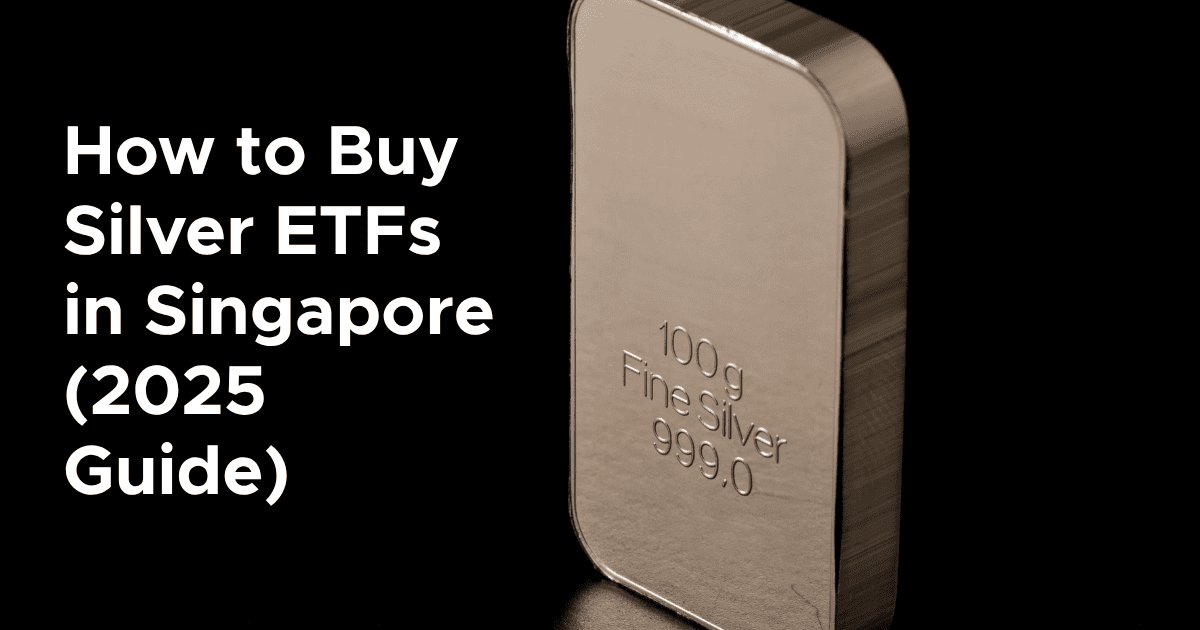
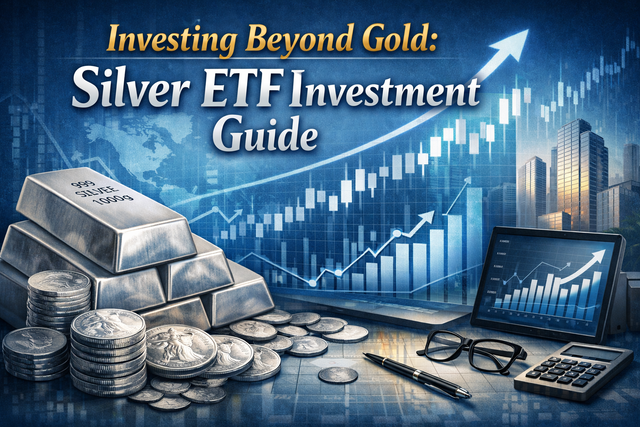
Silver ETF stocks are exchange‑traded funds that hold physical silver or contracts linked to its price. By buying shares of such an ETF, investors get exposure to silver’s price movements without the hassle of storing the metal themselves. This setup appeals to both seasoned traders looking for a hedge against inflation and newcomers who want a simple, liquid way to add a precious metal to a diversified portfolio.
Choosing the Right Silver ETF
Not all silver ETFs are created equal. Some track the spot price of silver by actually holding bullion in vaults, while others use futures contracts or a blend of mining equities. Here’s a quick way to sort them out:
- Physical‑backed ETFs: These funds, such as the iShares Silver Trust (SLV), keep bars in secured depositories. Their performance mirrors the spot price closely.
- Futures‑based ETFs: Funds like the ProShares Ultra Short Silver (ZSL) rely on futures contracts, which can introduce roll‑over costs and tracking error.
- Mining‑focused ETFs: The Global X Silver Miners ETF (SIL) invests in companies that mine silver. Their returns reflect both silver prices and corporate earnings, adding a layer of business risk.
For a first‑time investor, a physical‑backed ETF typically offers the cleanest exposure.
How to Buy Silver ETF Shares
Purchasing silver ETF shares is as straightforward as buying any stock. You’ll need a brokerage account that offers access to major U.S. exchanges. Once the account is funded, simply search for the ETF’s ticker symbol, place a market or limit order, and the shares will appear in your portfolio within seconds.
Keep an eye on the expense ratio—the annual fee the fund charges. Physical‑backed silver ETFs usually sit around 0.40% to 0.60%, which is modest compared with the storage costs you’d face if you bought bars outright.
Tax Considerations for Silver ETFs
In the United States, the IRS treats most silver ETFs as collectibles. That means any capital gains are taxed at a maximum rate of 28%, higher than the typical 15% or 20% for stocks. However, if you hold the ETF in a tax‑advantaged account like an IRA, the tax hit can be deferred or avoided entirely.
International investors should check local tax rules, as some jurisdictions classify silver ETFs differently, potentially affecting dividend treatment and withholding rates.
Balancing Silver ETFs Within a Portfolio
Silver’s price can be more volatile than gold, but it also offers a higher upside during industrial demand spikes. A common rule of thumb is to allocate no more than 5% to 10% of total assets to precious metals, with silver occupying a slice of that allocation.
Consider pairing silver ETFs with other defensive assets—like bonds or dividend‑paying stocks—to smooth out the ride. Rebalancing once or twice a year helps maintain your target exposure without letting a sudden silver rally or slump throw your mix off balance.
Risks to Watch Out For
While silver ETFs remove the logistical headaches of physical storage, they still carry market risks. Price swings can be driven by factors such as global economic slowdown, changes in industrial demand, or shifts in currency values. Additionally, futures‑based ETFs may suffer from “contango,” where the cost of rolling contracts erodes returns over time.
Another subtle risk is liquidity. Although major silver ETFs trade millions of shares daily, smaller or niche funds may experience wider bid‑ask spreads, which can increase transaction costs.
Practical Tips for New Investors
- Start with a modest position—perhaps one or two hundred dollars—until you get comfortable with silver’s price rhythm.
- Set realistic expectations; silver rarely delivers the rapid gains of high‑growth tech stocks, but it can preserve wealth during inflationary periods.
- Use stop‑loss orders sparingly. Because silver can swing sharply, a tight stop may trigger unnecessary sales.
- Stay informed about macro trends, especially manufacturing output in China and the United States, which heavily influence silver demand.
Frequently Asked Questions
Is buying a silver ETF the same as buying physical silver?
Not exactly. An ETF gives you paper exposure to silver’s price, while physical silver means you own the metal itself. ETFs are more liquid and incur lower storage costs, but they’re subject to fund fees and, in the U.S., different tax treatment.
Can I hold a silver ETF in a Roth IRA?
Yes. Most brokerages allow you to place silver ETFs inside a Roth or traditional IRA, letting you defer or avoid capital‑gain taxes on any appreciation, provided the fund complies with the account’s investment rules.
What’s the difference between SLV and SIL?
SLV is a physical‑backed ETF that tracks the spot price of silver. SIL, on the other hand, invests in mining companies, so its performance reflects both silver prices and the operational health of those firms.
Should I consider dollar‑cost averaging into a silver ETF?
Dollar‑cost averaging—investing a fixed amount at regular intervals—can smooth out entry points, especially in a market as volatile as silver. Many beginners find this approach helps avoid the temptation to time the market.