Your Daily Dose of Philippine Market Insights: PSE Index Explained
Every morning, traders, investors, and curious observers scan the Philippine Stock Exchange (PSE) Index for clues about the country’s economic pulse. Think of the PSE Index as a temperature gauge: when it climbs, confidence is warming up; when it slips, a chill may be setting in. This article unpacks what the index reflects, how to interpret the numbers that appear on your screen, and which tools can turn raw data into actionable insight.
What the PSE Index Reveals About the Philippine Market
The PSE Index aggregates the performance of the Philippines' most actively traded stocks, weighted by market capitalization. In practice, it offers a snapshot of how large‑cap companies—like banking giants, telecom leaders, and consumer goods powerhouses—are faring on any given day. Because these firms dominate the economy, the index often mirrors broader trends such as consumer spending, foreign investment inflows, and even political developments.
Reading the Daily Numbers: A Simple Walkthrough
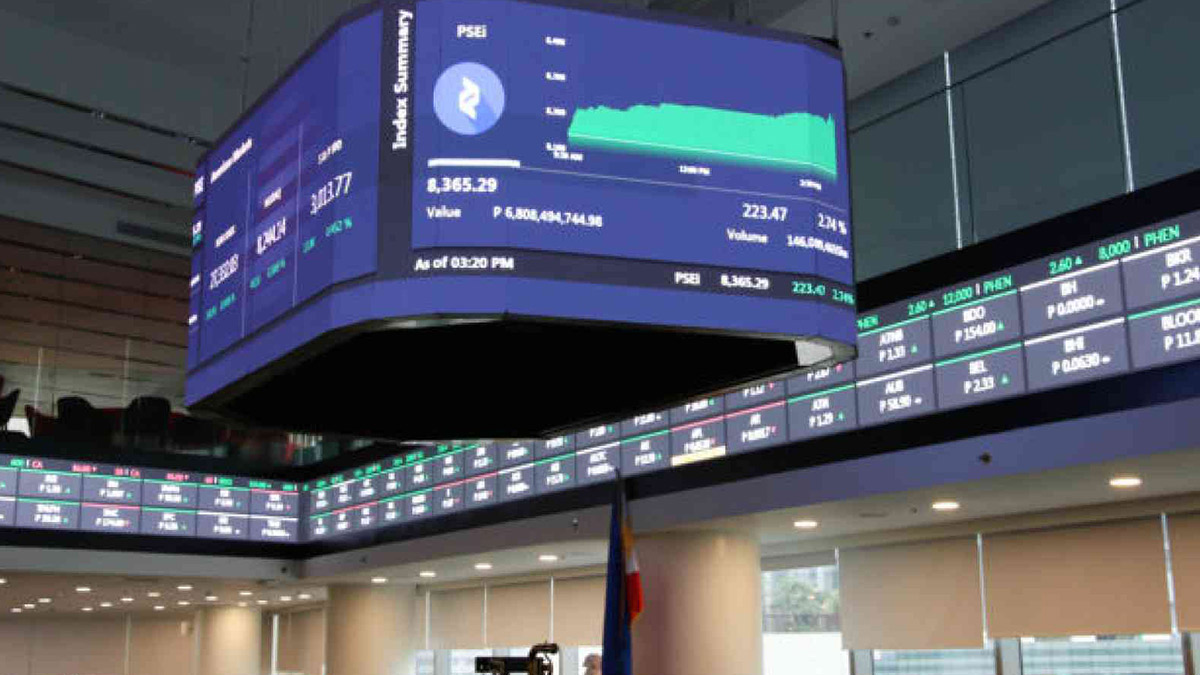
When you open a financial portal, you’ll see three core figures: the current index level, the point change from the previous close, and the percentage shift. For example, a reading of 7,250 points, up 45 points (0.62%), tells you the market added modest momentum. The point value alone is less meaningful than the percentage, which normalizes movement across different market sizes. Also pay attention to the “high” and “low” markers for the day—these ranges can hint at volatility.
Key Drivers Behind Today’s Moves
Several forces typically sway the PSE Index. First, earnings reports from heavyweight companies can create sharp, short‑term spikes. Second, macro‑level news—such as changes in the Philippine peso, central bank policy, or regional trade agreements—often triggers broader shifts. Third, external factors like global commodity prices or US Treasury yields can ripple through the index, especially for export‑oriented firms. Understanding which of these drivers is at play helps you separate noise from genuine market sentiment.
Tools and Resources for Real‑Time Updates
Staying on top of the PSE Index doesn’t require a pricey terminal. Most local banks and brokerages provide free streaming charts on their websites. Mobile apps—like the official PSE app, Bloomberg, or Reuters—push notifications the moment the index breaches key thresholds. For deeper analysis, consider platforms that offer technical overlays such as moving averages or the Relative Strength Index (RSI). Combining real‑time data with a few analytical tools can turn a passive glance into a strategic advantage.
Putting the Insights to Work
Once you grasp the daily narrative, you can decide how to act. If the index climbs on strong earnings and a stable peso, it might be a cue to add exposure to growth‑oriented sectors. Conversely, a sudden dip tied to geopolitical tension could warrant a defensive shift toward utility or consumer staples, which tend to hold value during uncertainty. Remember, the goal isn’t to chase every fluctuation but to align your portfolio with the prevailing market storyline.
Common Mistakes to Avoid When Tracking the PSE Index
- Overreacting to a single day’s movement. One volatile session rarely signals a long‑term trend.
- Ignoring sector composition. A rise driven solely by one sector may mask weakness elsewhere.
- Relying solely on headline numbers. Dig into the underlying components to see which stocks are truly moving the needle.
FAQ
Q: How often does the PSE Index get updated?
A: The index is calculated in real time during market hours, typically every few seconds, and pauses when the exchange is closed.
Q: Can I use the PSE Index to predict future economic performance?
A: While the index reflects current market sentiment, it’s not a crystal ball. It’s best used alongside other economic indicators such as GDP growth, inflation rates, and employment data.
Q: What’s the difference between the PSE Index and sector indices?
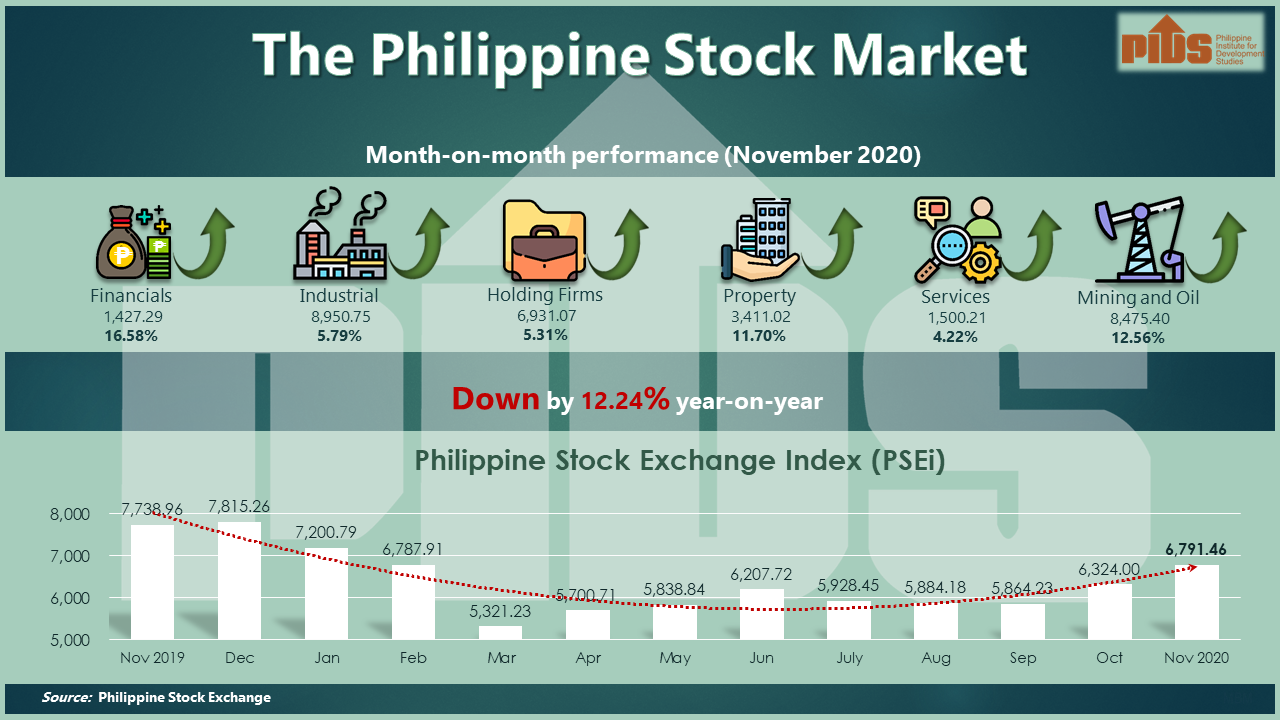
A: The PSE Index covers the broad market, while sector indices focus on specific industries (e.g., banking, real estate). Sector indices can reveal niche trends that the overall index might obscure.
Q: Should I set alerts for the PSE Index?
A: Absolutely—alerts for significant point moves or percentage changes can help you react promptly without staring at the screen all day.