Your Essential Guide to the 2025 Caribbean Hurricane Season
The 2025 Caribbean hurricane season is set to begin on June 1 and run through November 30, just as it has for decades. While the dates are fixed, the actual character of the storms can vary wildly from year to year. This guide walks you through the climatological backdrop, historical trends, practical preparedness steps, and travel tips so you can stay ahead of the weather, protect your property, and enjoy peace of mind.
What the 2025 outlook means for the Caribbean
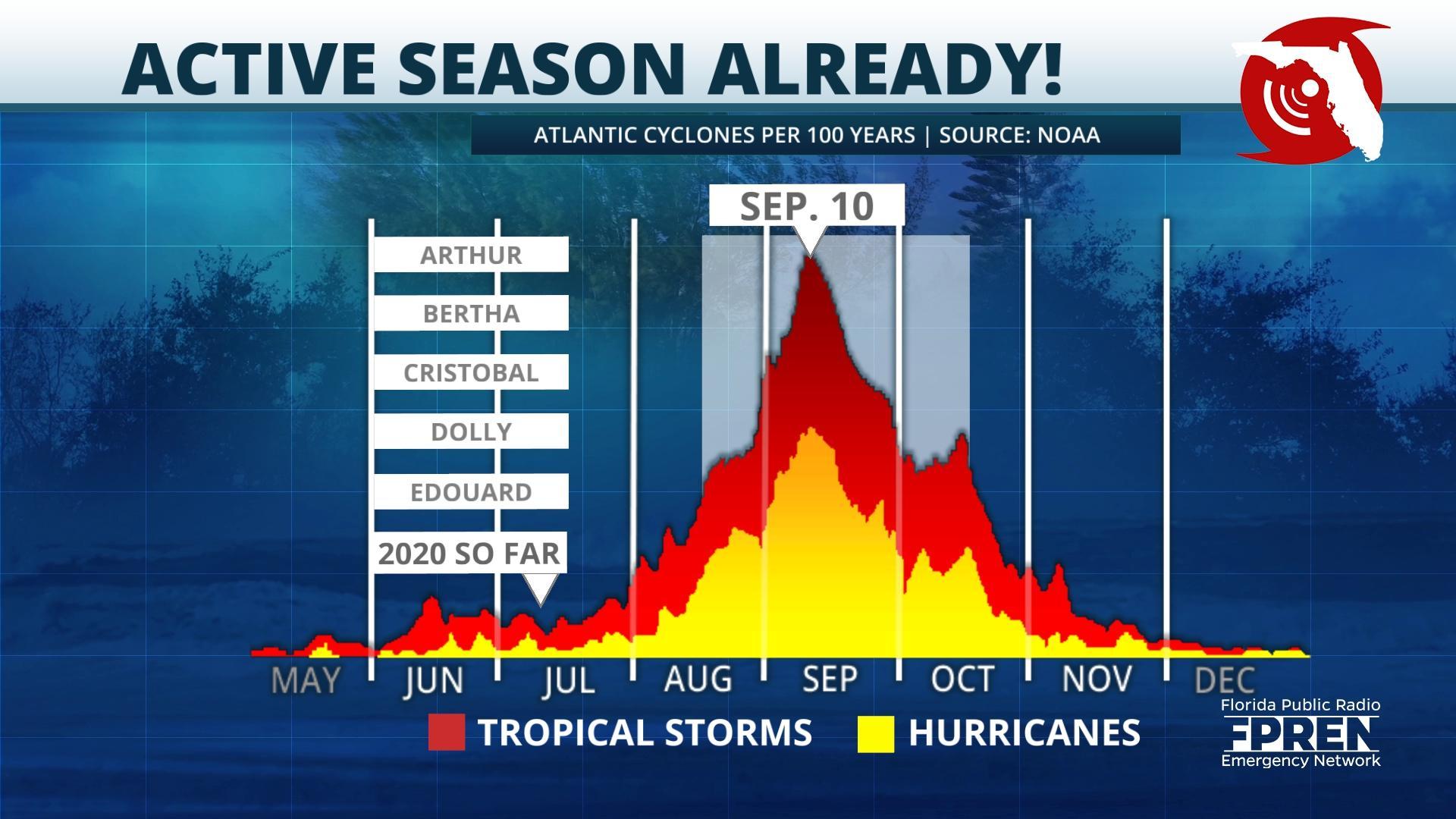
The National Hurricane Center (NHC) released its preseason outlook in early May, indicating a slightly above‑average chance of tropical cyclones forming in the Caribbean basin. “Above‑average” doesn’t guarantee a record‑breaking season, but it does suggest a higher likelihood of multiple named storms, some of which could intensify into hurricanes. Most experts expect the peak of activity to fall between mid‑August and early October, with the greatest risk to the Lesser Antilles, the Greater Antilles, and the Gulf of Mexico coast.
Key climatological factors shaping the season
- Sea surface temperatures (SSTs): Warm waters above 28 °C (82 °F) provide the energy storms need to strengthen. Current satellite data show SSTs in the western Caribbean running a few tenths of a degree above the long‑term average.
- El Niño‑Southern Oscillation (ENSO): A neutral to weak El Niño pattern is emerging, which historically tilts the odds toward more frequent hurricanes in the Caribbean compared with La Niña years.
- African easterly waves: These disturbances travel westward from the Sahara each summer and often serve as the seedling for tropical cyclones. A robust wave season this spring could seed several storms.
- Madden‑Julian Oscillation (MJO): This east‑west atmospheric pulse can enhance convection over the Caribbean every 30–60 days, briefly raising the chance of storm formation.
Historical patterns you should know
Looking back at the past two decades, the Caribbean typically sees 12–14 named storms per season, with about six reaching hurricane strength. The most active months are August and September; historically, the median landfall date for a Caribbean hurricane lands around September 12. Notable past events—such as Hurricane Irma (2017) and Hurricane Maria (2017)—remind us that rapid intensification can occur when storms linger over warm waters and encounter low wind shear. While we can’t predict exact tracks, understanding these trends helps you gauge risk.
Preparing your home and business
Whether you own a beachfront villa, a small guesthouse, or a commercial warehouse, a few proactive steps go a long way.
- Assemble an emergency kit with water, non‑perishable food, flashlights, batteries, and first‑aid supplies.
- Secure loose roof tiles, gutters, and shutters; reinforce doors with deadbolts or hurricane straps.
- Review insurance policies now—most standard homeowners’ policies exclude flood damage, so a separate flood endorsement may be necessary.
- Develop a family evacuation plan, noting local shelters, evacuation routes, and a communication tree.
- For businesses, back up critical data off‑site and create a continuity plan that outlines how to maintain operations if power or internet is disrupted.
Travel considerations for tourists and cruise lines
Tourism is a cornerstone of many Caribbean economies, and the 2025 season will inevitably intersect with travel plans. Most airlines and cruise operators have flexible rebooking policies for weather‑related disruptions, but it’s wise to book travel insurance that specifically covers hurricane postponements. If you’re staying at a resort, ask about their hurricane preparedness protocol—many now provide on‑site safe rooms and real‑time alerts. For cruise passengers, keep an eye on the ship’s itinerary updates; itineraries often shift northward or into the Atlantic to avoid storms.
Monitoring tools and reliable sources
Staying informed is as important as any physical preparation. The NHC’s tropical weather outlook is updated four times daily during the season and offers concise forecasts of potential storm development. The Caribbean Institute for Meteorology and Hydrology (CIMH) provides region‑specific advisories, especially for smaller islands that may not receive extensive coverage from U.S. agencies. Mobile apps like MyRadar, Weather Underground, and the official NHC app push push notifications straight to your phone, ensuring you never miss an advisory.
FAQ
When does the Caribbean hurricane season officially start and end?
The season runs from June 1 to November 30 each year, with the most active period typically spanning mid‑August through early October.
How can I tell if my insurance covers hurricane damage?
Standard homeowners’ policies usually cover wind damage but exclude flood. Review your policy’s “perils covered” list and consider a separate flood endorsement or a windstorm rider if you live in a high‑risk zone.
What’s the best way to protect a rental property during a storm?
Secure all windows with shutters or plywood, clear gutters of debris, and place sandbags around vulnerable doorways. Provide guests with an emergency kit and clear evacuation instructions.
Do hurricanes affect air travel in the Caribbean?
Yes. Flights are often delayed or canceled when a storm approaches an airport’s airspace. Airlines typically rebook affected passengers on the next available flight, and many offer refunds if the disruption is extensive.