48 Hours Later Meme: Origins, Meaning & Examples
It’s a scenario we’ve all fallen into at least once. You start a project, a meal, or perhaps an argument with the intention of finishing it quickly. You tell yourself it will only take a moment. Then, somehow, two days vanish into a digital void, and you emerge confused, hungry, and wondering which day of the week it even is. This is the essence of the "48 hours later" meme. It’s a relatable, often humorous depiction of procrastination, distraction, and the strange way time seems to warp when we’re online.
But where did this specific phrase come from? How did it evolve from a simple time jump trope into a dominant format on social media? Let’s dig into the history, the meanings, and why this meme continues to resonate with so many internet users.
The Rise of the Time Jump Trope
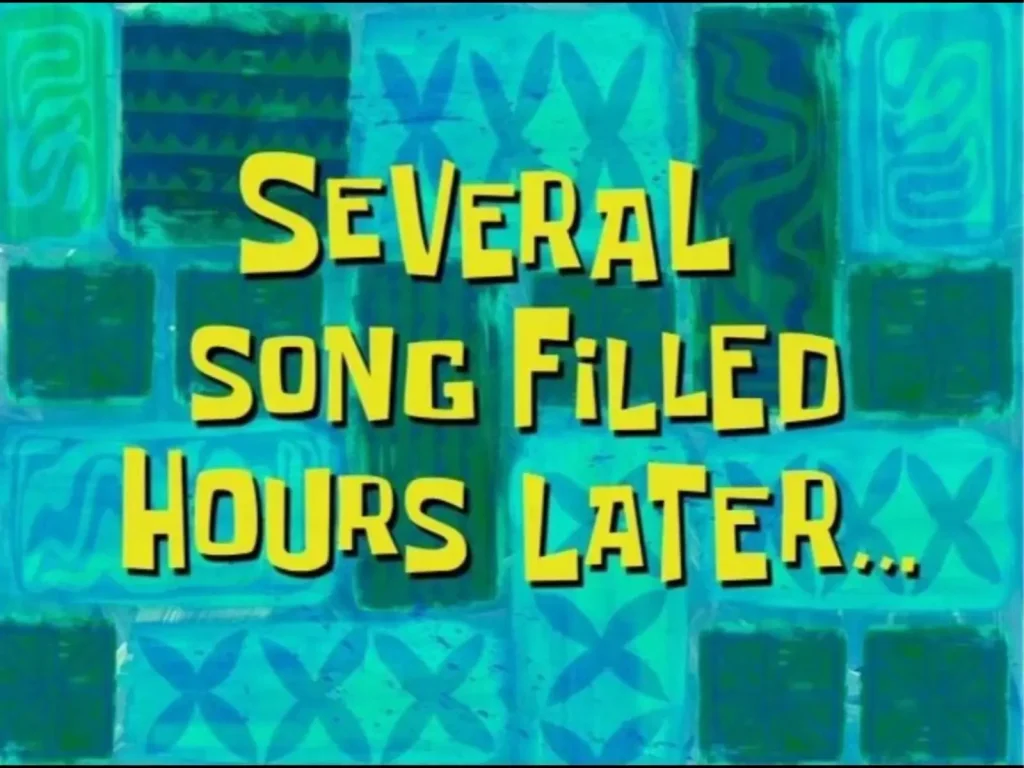
To understand the "48 hours later" meme, you have to look at the history of meme formats that play with time. For years, the internet has loved a good time skip. Think back to the "Time: 7 AM / Time: 3 PM" memes, which showed a stark contrast between initial optimism and eventual disaster. Or the classic "Annoying Orange" style time cards that simply said "The Next Day..."
The specific "48 Hours Later" iteration gained traction largely due to its specificity. It’s not just "later"; it’s exactly two days. This precise window of time is long enough for things to go significantly wrong, yet short enough to be plausible. It usually follows a setup where a character makes a promise, takes a first step, or eats a snack, and then cuts abruptly to the aftermath.
The format often features a video layout or a split screen. On one side, you have the setup: someone confidently stating, "I will just finish this level," or "I’m going to eat half a bag of chips." The cut is abrupt. Silence. Then, text appears on a black screen or over a static image: 48 Hours Later.
What It Actually Means
At its core, the meme is about the gap between intention and execution. It highlights the human tendency to underestimate how long tasks take, especially those involving digital habits, gaming, or binge-eating.
Here are the common variations you’ll see:
- The Gaming Grind: A player says, "Just one more match." The screen cuts to 48 hours later, showing them disheveled, surrounded by empty energy drink cans, having seemingly aged a decade.
- The Snacking Catastrophe: Someone decides to "just taste" a new snack. Cut to 48 hours later, and the package is torn open, crumbs are everywhere, and the person looks regretful but satisfied.
- The Argument Spiral: Two people agree to "cool off" for a bit. The cut shows them still arguing, or possibly having moved in together out of sheer stubbornness.
The humor relies on exaggeration. It’s not literally true that every minor task takes two full days. But emotionally, it feels accurate. When you’re scrolling through social media or playing a mobile game, hours can feel like minutes. This meme externalizes that distorted perception of time.
Why It Went Viral
Several factors contributed to the meme’s spread. First, the video formats popularized by platforms like TikTok and Instagram Reels favored quick cuts and visual gags. The "48 hours later" text overlay is simple, bold, and instantly readable. It requires no explanation. You don’t need to speak the language to understand the joke.
Secondly, it taps into a shared experience of modern life. Procrastination is universal. Whether you’re a student trying to write a paper, a professional avoiding an email, or just someone trying to clean the kitchen, the feeling of time slipping away while staring at a screen is something almost everyone recognizes.
The meme also allows for creative interpretation. Users have applied it to everything from cooking disasters to failed romance advice. This versatility keeps it fresh. It’s a template that can be adapted to any niche, which is a hallmark of long-lasting internet culture.
Similar Formats and Evolution
While "48 Hours Later" is popular, it’s part of a larger family of time-skip memes. The "One Month Later" meme is another favorite, often used to show the decay of plants or the neglect of chores. Then there’s the "10 Years Later" trend, which usually involves aging filters or reflecting on past predictions with cringe-worthy hindsight.
What sets "48 Hours Later" apart is its immediacy. It’s not a distant future; it’s a near-miss. It’s the funny uncle of the time-skip family—closer to home, more relatable, and slightly more chaotic. It captures the essence of a weekend binge or a sleepless night. It’s not necessarily about failure, but about losing track of reality.
How to Use It Correctly
If you want to create your own "48 hours later" content, the key is contrast. The before and after must be dramatically different but logically connected. If someone says they’re going to sleep, the "48 hours later" shot shouldn’t just be them sleeping; it should be them waking up confused, with the sun setting in the wrong direction.
Visual cues help. Messy hair, dark circles under the eyes, piles of laundry, or a calendar page ripped to shreds all reinforce the message. The text should be large, centered, and impossible to miss. Simplicity is key. Don’t overcomplicate the joke. Let the absurdity of the time jump speak for itself.
Frequently Asked Questions
Where did the "48 hours later" meme originate?
It evolved from various internet time-skip tropes, gaining significant popularity on short-form video platforms like TikTok and Instagram around the early-to-mid 2020s. It doesn't have a single creator but rather emerged from collective usage and adaptation of older "Next Day" or "Seven Years Later" memes.
Why specifically 48 hours?
The number 48 represents a full weekend or a significant but manageable chunk of time. It’s long enough for noticeable changes or disasters to occur, yet short enough to remain believable within the context of a joke. It’s a perfect middle ground between "tomorrow" and "next week."
Is it only used for gaming?
No. While gaming is a huge part of its usage, the meme is widely applied to cooking, studying, relationships, cleaning, and basically any task that can be procrastinated on or consumed excessively.
In the end, the "48 hours later" meme is a mirror. It shows us our own habits, exaggerated for comedic effect. It’s a reminder that while we may plan for hours, the internet often has a different schedule in mind. And honestly? That’s kind of the point.