A Look at the History and Key Facts of the Pakistan‑India Border
The line that splits Pakistan and India is more than a strip of land on a map; it’s a living reminder of colonial legacies, wars, and everyday resilience. From the hurried drawing of the Radcliffe Line in 1947 to the bustling Wagah ceremony today, the Pakistan‑India border has shaped politics, economies, and cultures on both sides. If you’ve ever wondered why that line looks the way it does, or what daily life is like for the millions who live nearby, this overview of its history and key facts will fill in the blanks.
Pakistan‑India Border History: From Partition to Present
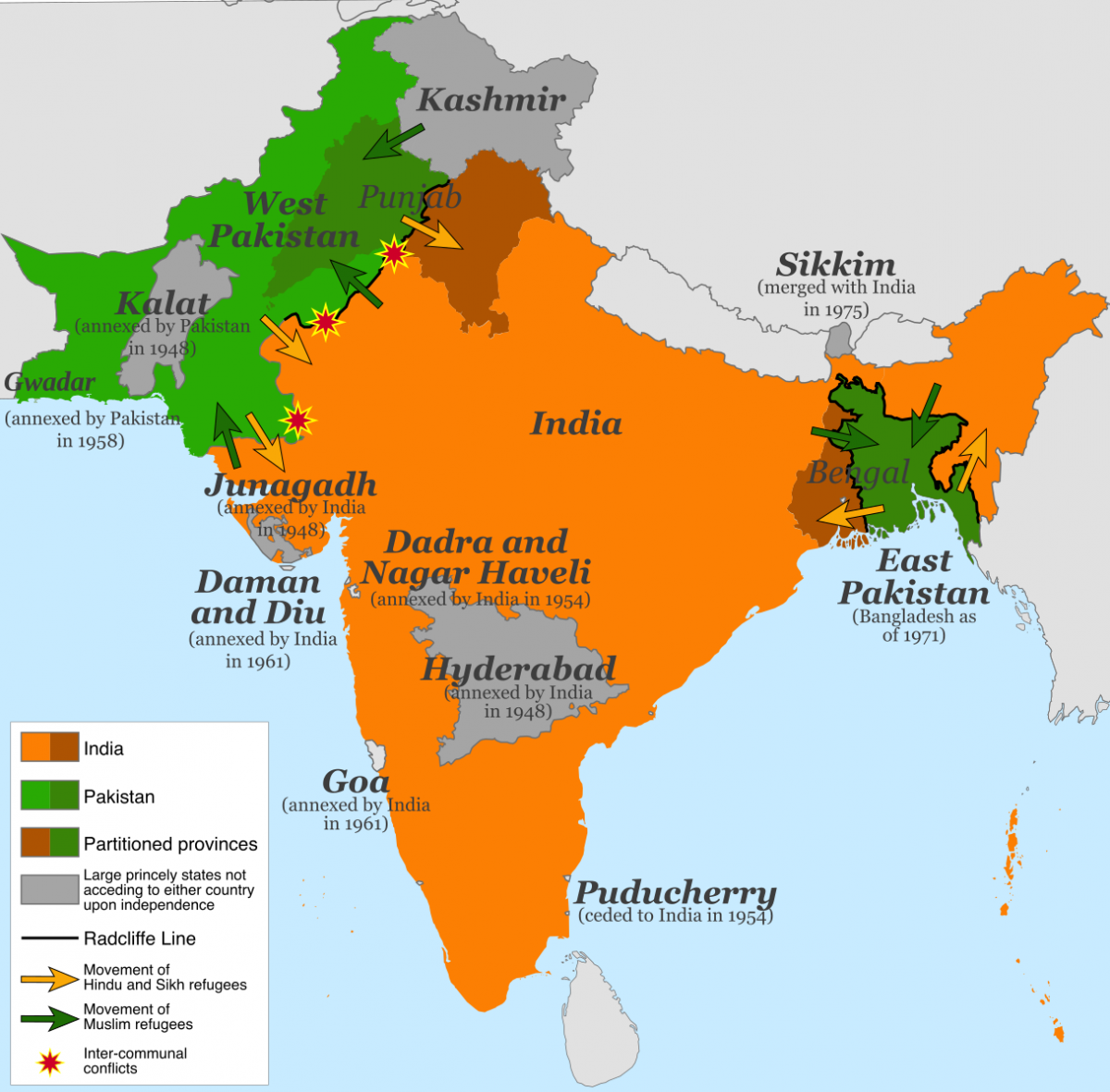
When British rule ended in August 1947, the subcontinent was split into two dominions based largely on religious majorities. Sir Cyril Radcliffe, a British lawyer with little knowledge of the region, was tasked with drawing a boundary that would separate Hindu‑majority India from Muslim‑majority Pakistan. The resulting “Radcliffe Line” was announced just days before independence, leaving many families on the wrong side of the new border.
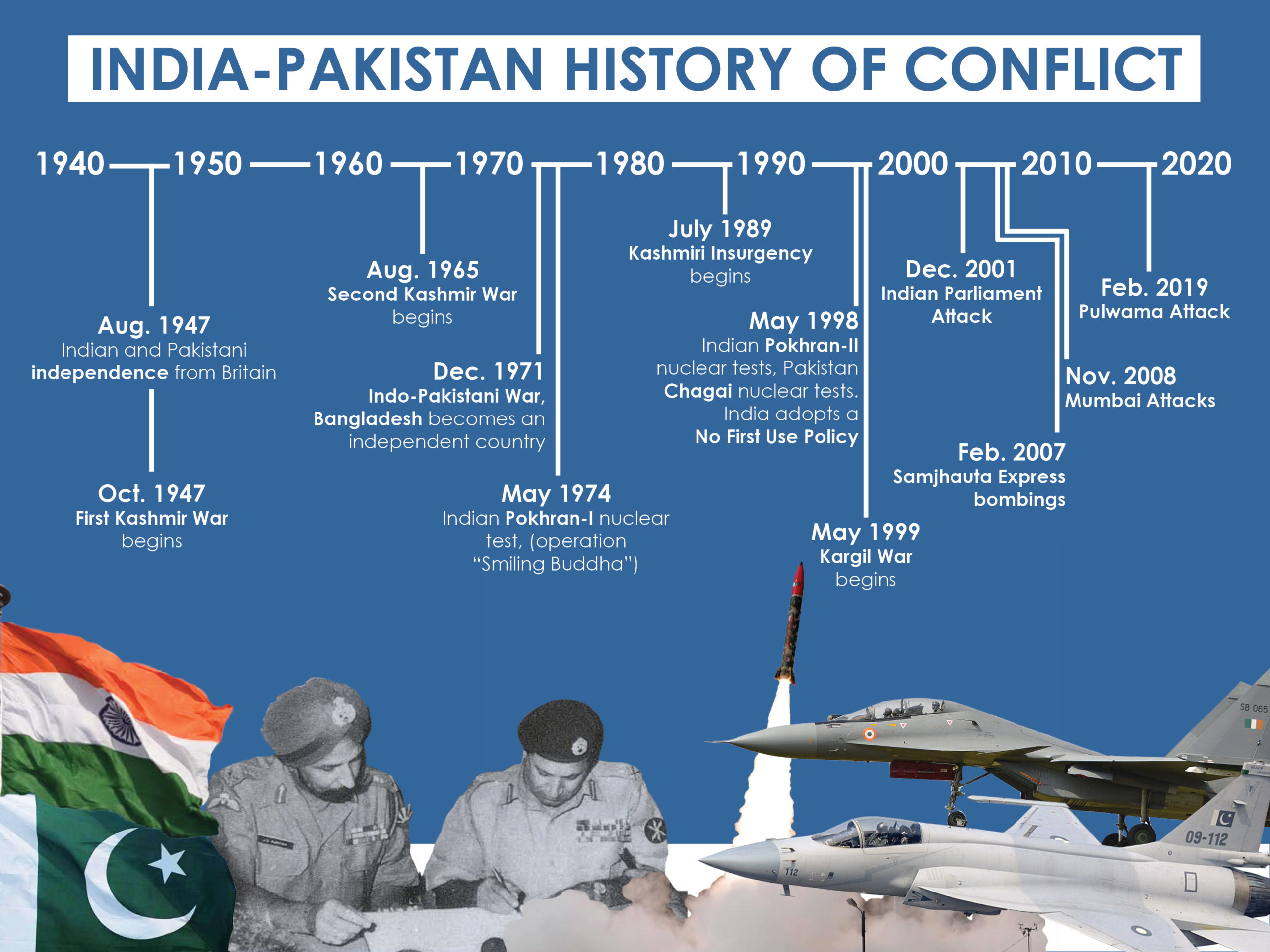
The first clash erupted almost immediately: the 1947‑48 Indo‑Pakistani War over Kashmir cemented the line’s militarized nature. Although a UN‑brokered cease‑fire established the cease‑fire line (now called the Line of Control) in Kashmir, the International Border (IB) in the rest of the subcontinent remained a more straightforward demarcation. Subsequent conflicts in 1965, 1971, and the Kargil incursion of 1999 each prompted adjustments to border security, but the line itself stayed largely unchanged.
Peaceful moments have also punctuated this fraught timeline. The annual flag‑lowering ceremony at Wagah, started in 1959, turned a former flashpoint into a tourist attraction that draws crowds from both nations. More recently, confidence‑building measures—like the 2003 opening of the Srinagar‑Muzaffarabad bus service—show that cooperation, however limited, can coexist with tension.
Key Facts About the Pakistan‑India Border
Understanding the border’s scale and infrastructure helps put the history into perspective. Below are the most relevant figures and features that define this 2,912‑kilometre land boundary.
- Length and Composition: The total length of the Pakistan‑India border is about 3,323 km, of which roughly 2,912 km is land and 411 km runs through the Arabian Sea.
- Geographical Diversity: The line cuts across deserts in Sindh and Rajasthan, fertile plains in Punjab, and the rugged terrain of the Himalayas and Kashmir.
- Major Crossing Points: Wagah‑Attari (Punjab), Munabao‑Khokhrapar (Rajasthan), and the more remote Khunjerab Pass (Gilgit‑Baltistan) serve as the primary legal gateways for trade and travel.
- Security Measures: Since the early 2000s, a combination of barbed‑wire fences, concrete walls, and electronic surveillance has been installed along the most volatile sections, especially in Punjab and Kashmir.
- Population Impact: An estimated 10 million people live within 10 km of the border, many of whom share families, languages, and markets that pre‑date the line.
- Trade Volume: Bilateral trade across official crossings exceeds $10 billion annually, despite occasional closures due to political tensions.
Wagah: The Symbolic Frontline
The Wagah ceremony is perhaps the most famous border ritual in the world. Every evening, Indian and Pakistani soldiers perform a high‑energy “lowering of the flags” that blends choreography with nationalism. While the spectacle draws tourists, it also serves a practical purpose: the ceremony reinforces the presence of both militaries and acts as a subtle reminder that the border is still heavily guarded.
Cross‑Border Trade and Cooperation
Legal trade passes through a handful of customs points, with the Wagah‑Attari crossing handling the bulk of goods ranging from textiles to agricultural products. Informal trade—often termed “border trade”—remains vital for local economies, especially in remote border villages where official market access is limited.
Joint initiatives, such as the 2015 “Sustainable Water Management” project in the Thar Desert, illustrate how environmental challenges can foster collaboration despite broader diplomatic hurdles.
Security Challenges and Recent Developments
Insurgency and smuggling have long plagued the border, prompting both nations to invest in advanced surveillance. Since 2016, the Indian side has deployed infrared cameras and motion sensors along the Punjab stretch, while Pakistan has upgraded its coastal monitoring to curb illegal fishing and maritime infiltration.
Nonetheless, periods of heightened tension—like the 2019 Pulwama‑Balakot incident—often result in temporary closures of crossing points and a surge in troop deployments, underscoring the fragile equilibrium that defines the frontier.
Frequently Asked Questions
What was the Radcliffe Line, and why was it controversial? The Radcliffe Line was the hurried border drawn by Sir Cyril Radcliffe in 1947 to separate Hindu‑majority India from Muslim‑majority Pakistan. Its controversy stems from the lack of accurate demographic data, rushed implementation, and the massive displacement it caused.
How many people cross the Pakistan‑India border legally each year? While exact numbers fluctuate, official statistics suggest that over 2 million individuals cross the border legally via designated points for work, pilgrimage, or trade annually.
Is there a fence along the entire border? No. A continuous fence exists mainly in the Punjab region and along certain sections of Kashmir. Other stretches rely on natural barriers, patrols, and electronic monitoring.
Can tourists visit the border without a visa? Tourists need a valid visa for the country they intend to enter. However, day‑trip packages to the Wagah ceremony are popular and usually organized through licensed travel agencies that handle visa logistics.