How to Locate Fencing Clubs and Sports Facilities Near You
Whether you’re brand‑new to the foil or you’ve been lunging for years, the first step to improving your game is finding a place to train. The good news is that you don’t need a secret map – most towns and cities already host at least one club or community centre that offers fencing lessons. Below is a practical guide that walks you through the easiest ways to discover local fencing options, evaluate them, and get started without feeling lost.
Start With an Online Search—But Do It Smart
Typing “fencing club near me” into a search engine is tempting, yet the raw results can be overwhelming. Here’s how to narrow it down:
- Use location modifiers. Add your city or zip code (e.g., “fencing club Chicago 60614”) to push the results toward genuine local listings.
- Check the “Google Maps” tab. This view instantly shows you where each venue sits, its hours, and often a short description or photos.
- Look for reviews. A club with a handful of recent 4‑ or 5‑star reviews is usually a safer bet than one with no feedback at all.
Don’t forget to bookmark any promising spots; you’ll be comparing them later.
Explore Federation and Association Directories
National and regional fencing bodies maintain up‑to‑date rosters of recognized clubs. In the United States, the USA Fencing Club Directory lets you filter by state, discipline (épée, foil, sabre), and even membership fees. Similar resources exist in other countries—British Fencing, FIE (International Fencing Federation), and local provincial associations all publish searchable lists.
These directories have a couple of advantages:
- They guarantee that the club follows standard safety protocols.
- They often list contact information for head coaches, making it easier to ask specific questions.
Ask Around in the Local Sports Community
Word of mouth still works wonders. If you’re already involved in a gym, martial arts studio, or school sports program, ask the staff or fellow athletes whether they know any fencing groups. Many clubs run open‑house sessions and rely on referrals to attract new members.
Even a quick post on community forums—Nextdoor, Reddit’s city‑specific subreddits, or a local Facebook group—can yield personal recommendations that aren’t listed online.
Visit Community Centres and Schools
Many municipal recreation centres, colleges, and high schools offer fencing as part of their extracurricular lineup. While some programs are exclusive to students, many open slots to the public during evenings or weekends. Swing by in person or check the centre’s website; you’ll often find a schedule PDF that mentions “fencing” alongside basketball and yoga.
What to Look For During a Facility Tour
- Safety gear. Check that they provide or require proper masks, jackets, gloves, and breeches.
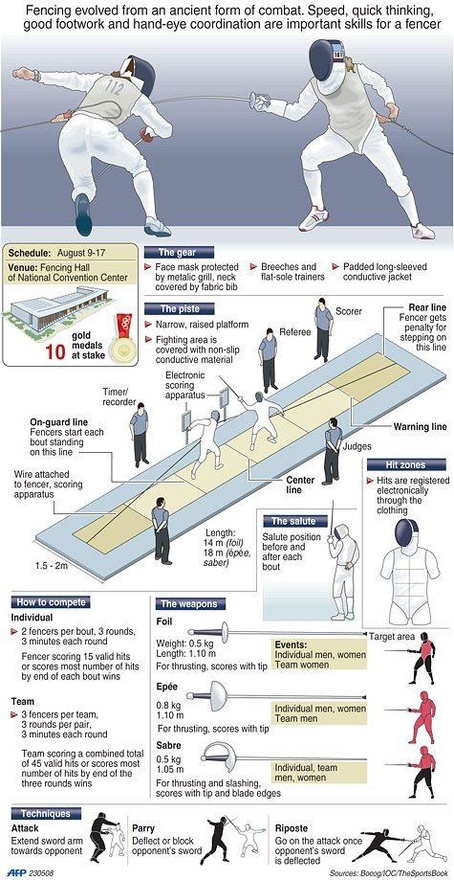
- Equipment quality. Pistes (the strip), scoring machines, and weapons should be well‑maintained.
- Coach credentials. Look for certifications or competition experience—most reputable clubs display this information.
- Class size. Smaller groups typically mean more personalized attention, especially for beginners.
Consider the Cost Structure
Fees can vary dramatically. Some clubs charge a flat monthly rate that includes gear rental; others have separate lesson fees plus a membership dues. Here’s a quick snapshot of typical pricing tiers in the U.S. (your region may differ):
- Basic group classes: $30‑$50 per month.
- Semi‑private (2‑4 students): $60‑$80 per month.
- Private one‑on‑one coaching: $60‑$120 per hour.
- Equipment rental: $10‑$20 per month, if not included.
When budgeting, factor in occasional tournament entry fees or travel costs if you plan to compete.
Trial Lessons—Your Best Decision‑Making Tool
Most clubs understand that committing without trying feels risky, so they often offer a free or discounted first lesson. Use this session to gauge the following:
- The coach’s teaching style—are they patient and clear?
- The club’s atmosphere—does it feel welcoming or exclusive?
- How quickly you feel comfortable handling a weapon.
If the vibe isn’t right, don’t hesitate to move on; the right fit can make all the difference in staying motivated.
Online Resources for Ongoing Learning
Even after you find a physical location, supplementing your training with online tutorials can accelerate progress. Websites like Fencing.net and YouTube channels from seasoned athletes provide technique breakdowns, footwork drills, and tactical insights. Just remember that virtual instruction should complement—not replace—real‑world coaching, especially for safety.
Putting It All Together: A Simple Action Plan
- Search Google Maps with your city and “fencing club.”
- Check the national federation’s club directory for accredited options.
- Ask friends, post on local forums, and scan community‑centre schedules.
- Shortlist 2‑3 venues, then schedule a trial lesson at each.
- Compare cost, equipment, coach credentials, and overall feel.
- Pick the club that feels right and sign up for a month—most places allow you to cancel after the first month if needed.
Following these steps should land you at a doorstep where the clink of blades and the buzz of focused athletes become a regular backdrop. The journey from curiosity to competence begins with a simple search, but the real reward comes when you step onto the piste and start sparring.