American Football Gloves: A Complete Guide
There is a certain rhythm to football that exists entirely within the hands. It’s the subtle shift of weight as a receiver catches a spiraling ball, the firm grip on a quarterback’s snap, or the brutal impact when a linebacker secures a sack. While talent gets you on the field, the right gear keeps you in the play. Among all pieces of equipment, nothing is as critical—or as often overlooked until it fails—than your gloves.
American football gloves are far more than just protective hand coverings. They are precision tools designed to enhance dexterity, provide impact protection, and most importantly, maximize grip in varying weather conditions. Whether you are a wide receiver trying to make the dunkable catch or a lineman needing to hold your ground, choosing the right gloves can be the difference between a highlight reel moment and a dropped pass. This guide breaks down everything you need to know to pick the perfect pair for your game.
Understanding the Core Materials
The performance of your gloves largely depends on the materials used in construction. Manufacturers generally focus on two main areas: the palm for grip and the backhand for protection and flexibility.
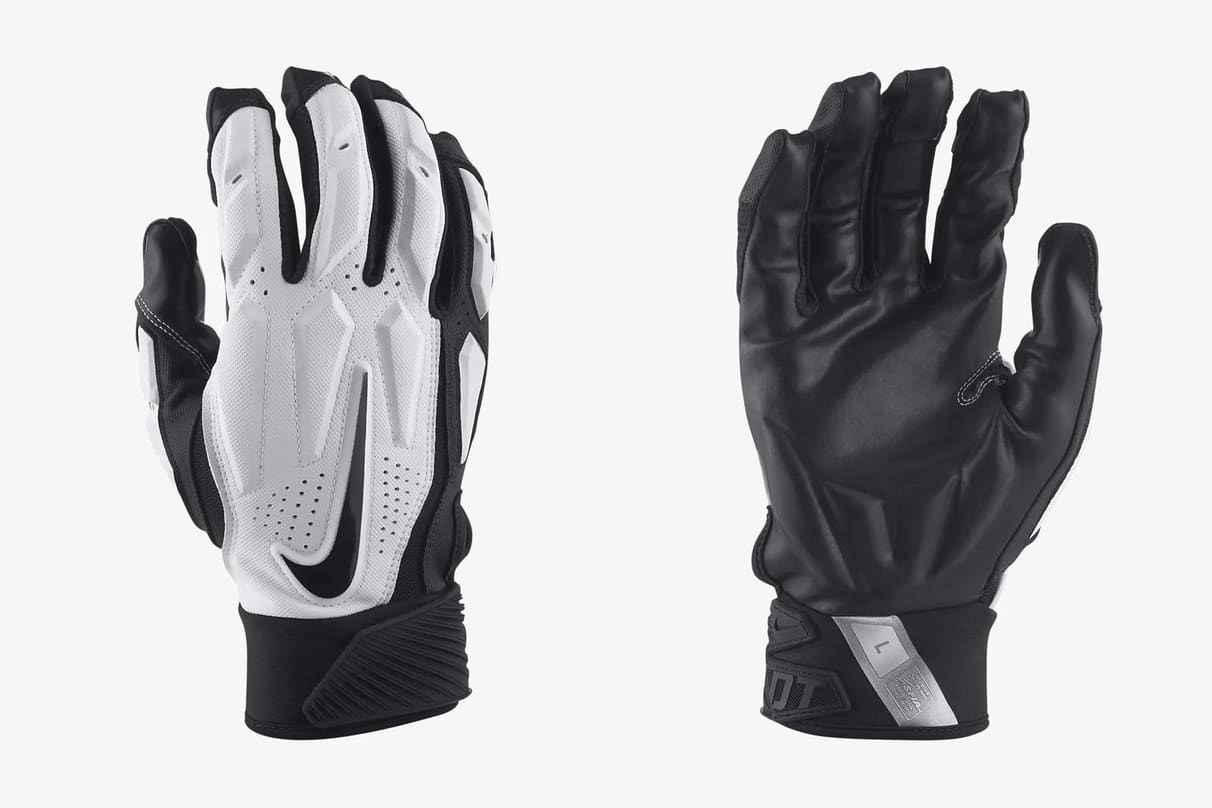
The palm is where the magic happens. Most high-end gloves utilize a synthetic resin or silicone-based compound. These materials are engineered to mimic the tackiness of human skin but with superior adherence. The key isn't just stickiness; it’s how that tackiness reacts to sweat and rain. Some palms feature a "micro-tack" texture, which creates multiple friction points for a secure hold. Others use a smoother, harder resin that excels in cold, dry conditions but might struggle in heavy rain.
The backhand of the glove usually combines synthetic leather with breathable mesh. This layer is vital for impact protection. You don’t want the padding to be so thick that you lose feel, but it needs to be substantial enough to absorb the shock from a ball traveling at 60 mph or the occasional collision with a defender’s shoulder pads. Modern designs often include carbon fiber or reinforced polymer strips across the knuckles to prevent hyperextension without adding bulk.
Grip Technology and Weather Adaptation
If there is one universal truth in football, it’s that weather changes everything. A glove that performs flawlessly in a sunny stadium may become a liability in a mud-laden field or freezing cold.
For warm-weather games, ventilation is king. You need gloves that wick moisture away from your hands. If your hands get too sweaty, your grip fails. Mesh panels on the back of the hand allow air to circulate, keeping your palms dry and tacky. In these conditions, a lighter, more flexible glove often outperforms a heavily padded one.
Cold weather presents a different challenge. Cold hands lose dexterity rapidly. In these scenarios, you might prioritize insulation over ultimate thinness. Some gloves feature thermal liners that retain heat while maintaining a surprisingly sensitive grip surface. It’s a balancing act. You need enough coverage to keep your fingers nimble enough to pluck the ball from the air, but not so much bulk that you feel like you’re wearing oven mitts.
Rainy conditions are perhaps the most difficult. Water is the enemy of friction. While no glove is entirely waterproof in terms of grip, specific hydrophobic coatings can help shed water droplets quickly. If you play in a league with frequent rain, look for gloves marketed specifically for wet grip. They often have a more aggressive texture to bite into the leather of the ball even when slick.
Sizing: The Most Critical Decision
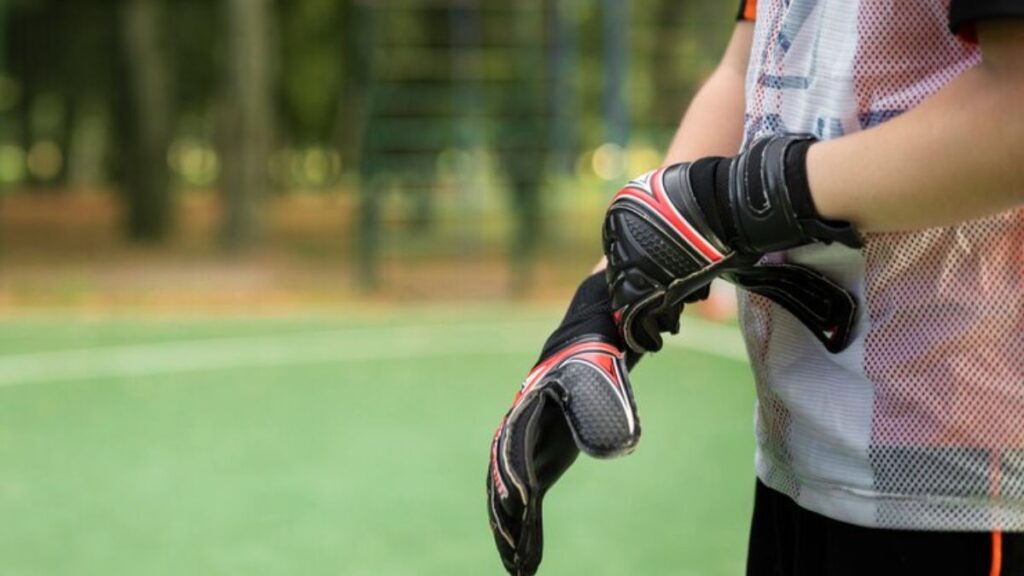
Buying the wrong size is the most common mistake players make. The ideal football glove fits like a second skin. It should be snug, compressing slightly, but never restrictive. If there is excess material, you will lose the tactile feedback needed to catch the ball. If it’s too tight, you will restrict blood flow, leading to cold, numb hands by the second quarter.
To find your correct size, measure the circumference of your dominant hand just below the knuckles, excluding the thumb. Compare this measurement to the manufacturer’s size chart. Note that sizing can vary significantly between brands. A medium in one brand might fit like a large in another. If you are between sizes, it is generally safer to size up slightly for comfort, as a slightly loose glove can still perform, whereas a too-tight one will cut off circulation and hinder movement.
Maintenance and Longevity
Tackiness degrades over time. Dust, dirt, and natural oils from your hands all contribute to the loss of grip. To extend the life of your gloves, simple maintenance goes a long way. After each game or practice, wipe down the palms with a damp cloth to remove surface debris. Some players use specialized grip sprays or tapes to restore tackiness, though these can be messy and attract dirt if overused.
Never wash football gloves in a washing machine. The agitation and detergents will destroy the adhesive properties of the palm and break down the protective padding. Hand washing with mild soap and water, followed by air drying away from direct heat, is the safest method. Proper care ensures that your gloves last through an entire season rather than just a few games.
FAQ
How often should I replace my football gloves?
It depends on usage, but generally, you should replace them every 1-2 seasons. If the palm feels slippery even after cleaning, or if the padding is compressed and worn through, it’s time for a new pair. Frequency of play matters; daily practitioners may need replacements more often.
Do NFL players tape their gloves?
Yes, many receivers use liquid tape or grip spray to enhance tackiness during games. However, the league has strict rules regarding the use of adhesives. Players must ensure their hands and gloves do not exceed the allowed stickiness limits, otherwise, they face fines and equipment confiscation.
Can I wear gloves under other gear?
No, football gloves should be the outermost layer on your hands. Wearing compression gloves underneath can alter the fit and reduce the tackiness of the exterior glove. The design assumes direct contact with your skin for optimal moisture management and grip.