The Medical Revolution: How Tech & Medicine Are Transforming Healthcare
If you stepped into a hospital today and compared it to one from just fifteen years ago, the differences might seem subtle at first glance. The white coats are still there, and the waiting rooms still hum with that specific blend of anticipation and anxiety. But look closer. There are no more endless paper charts fluttering in the breeze. Nurse teams are wearing smart glasses for real-time data access while surgeons plan procedures using 3D holographic models.
This isn't science fiction from a distant future. It is happening right now. The convergence of technology and medicine is reshaping how we prevent, diagnose, and treat disease. It is moving the healthcare system from a reactive model—where you go to the doctor only when you are sick—to a proactive, predictive ecosystem that keeps you healthy before issues arise.
The implications are profound. We are seeing treatments become personalized rather than one-size-fits-all, patient monitoring shift from clinical settings to living rooms, and administrative burdens lighten for providers. Let’s unpack the key drivers behind this transformation.
The Rise of the Digital Twin
One of the most exciting developments in modern medicine is the concept of the "digital twin." Borrowed from engineering, this involves creating a virtual replica of a patient’s physiology. By integrating genomic data, medical imaging, and lifestyle metrics, doctors can simulate how a specific treatment might work on that individual before administering a single pill.
Consider oncology. Traditionally, cancer treatment has been trial and error, which wastes time and resources while the patient suffers. With advanced computational modeling, oncologists can test various drug combinations on the digital twin to identify the most effective regimen with the fewest side effects. This predictive capacity turns medicine from a guessing game into a precise science.
Wearables and the Era of Continuous Care
For decades, health data was episodic. You visited a clinic, had your blood pressure taken, and walked out with a snapshot of your health from that specific moment in time. Today, wearable technology provides a continuous stream of biological data.
Smartwatches and medical-grade patches now monitor heart rhythms, blood oxygen levels, and even glucose levels in real-time. This shift is crucial for chronic disease management.
- Early Warning Systems: Algorithms can detect irregular heartbeats indicative of atrial fibrillation days or weeks before a patient feels any symptoms.
- Remote Patient Monitoring: Post-surgical patients can be monitored from home, reducing hospital readmission rates and allowing them to recover in the comfort of their own environment.
- Behavioral Nudges: Continuous data feedback helps individuals make small, sustainable lifestyle changes that accumulate into significant health improvements.
The data generated is immense. The challenge is no longer collecting information, but interpreting it. This is where artificial intelligence steps in.
AI as the Diagnostic Co-Pilot
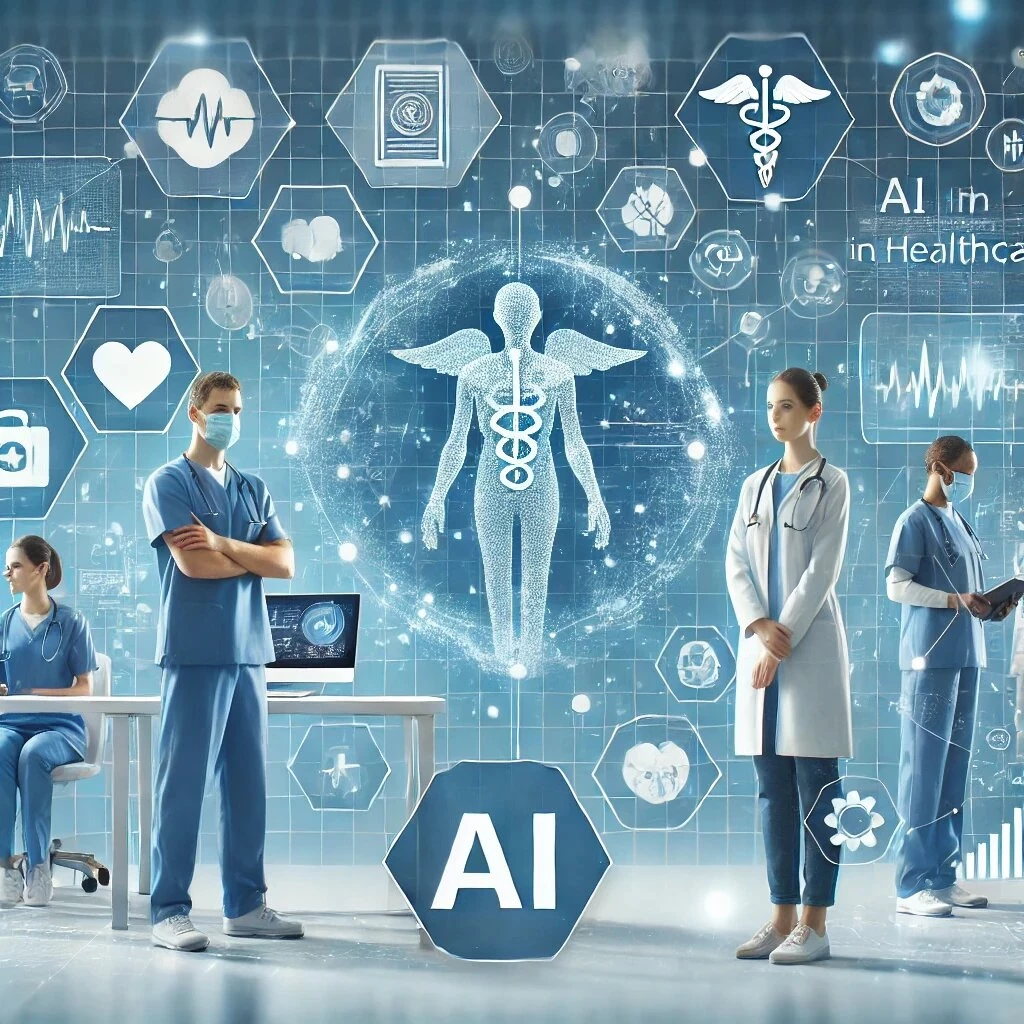
Artificial intelligence is not replacing doctors; it is augmenting their capabilities. Medical professionals often face physician burnout due to administrative overload and the sheer volume of data they must process. AI tools act as co-pilots, scanning medical images, reading pathology slides, and summarizing electronic health records with speed and accuracy that exceeds human limits.
In radiology, for instance, AI algorithms can highlight potential tumors in CT scans or MRIs that the human eye might miss due to fatigue or oversight. These systems do not make the final diagnosis—that remains the physician’s responsibility—but they serve as a second pair of eyes, ensuring nothing slips through the cracks.
This efficiency gain frees up clinicians to do what machines cannot: provide empathy, explain complex conditions in understandable terms, and make nuanced ethical decisions regarding patient care.
The Telehealth Infrastructure
The pandemic accelerated the adoption of telehealth by a decade. What was once a novelty for minor consultations is now a robust infrastructure for primary care, mental health support, and specialist referrals. Telemedicine removes geographical barriers, allowing rural patients to access metropolitan expertise without traveling hundreds of miles.
However, the real power of telehealth lies in its integration with IoT (Internet of Things) devices. A cardiologist can review a week’s worth of ECG data from a patient’s smartwatch via a secure portal and adjust medication remotely. This seamless loop between digital health tools and clinical oversight creates a closed feedback system that optimizes outcomes continuously.
Data Privacy and the Human Element
Despite the technological marvels, significant challenges remain. The digitization of health records creates massive targets for cyberattacks. Protecting patient privacy while leveraging data for research is a delicate balancing act that requires robust cybersecurity measures and strict regulatory compliance.
Furthermore, there is the digital divide. Not everyone has access to high-speed internet or the latest smart devices. Ensuring that these technological advancements do not widen health disparities between socioeconomic groups is a critical ethical imperative for healthcare providers and policymakers.
Technology should never replace the human touch in medicine. The best outcomes occur when high-tech diagnostics and treatments are wrapped in high-touch compassion and understanding. As we move forward, the goal is not to automate care, but to humanize it by removing friction and giving providers more time to connect with patients.
Looking Ahead
The transformation of healthcare is not a destination but a continuous journey. As 5G networks roll out, enabling faster, more reliable connections for remote robotic surgeries, and as genetic editing technologies like CRISPR become more refined, the horizon of possibility expands.
We are entering an era where personalized medicine, driven by AI and supported by ubiquitous connectivity, becomes the standard rather than the exception. For patients, this means better outcomes and longer, healthier lives. For the healthcare system, it means a shift from volume-based care to value-based care, where success is measured by patient health rather than the number of procedures performed.
Frequently Asked Questions
Is AI replacing doctors?
No. AI is designed to augment medical professionals by handling data analysis and administrative tasks, allowing doctors to focus more on patient interaction, complex decision-making, and empathy.
How safe is telehealth data?
Telehealth platforms are required to comply with strict data protection standards like HIPAA in the US or GDPR in Europe. While no system is immune to risk, reputable providers use end-to-end encryption to safeguard patient information.
Who benefits most from wearable health tech?
Patients with chronic conditions like diabetes, heart disease, or hypertension benefit significantly. However, healthy individuals also gain from the preventive insights provided by continuous activity and sleep tracking.