How to Apply for Unemployment Benefits: A Complete Guide
Finding yourself without a paycheck can feel like being stuck at a crossroads. The good news is that most states offer unemployment benefits to help bridge the gap, but the process isn’t always straightforward. Below is a practical roadmap that walks you through everything you need to know—from eligibility checks to filing your claim and staying on top of required paperwork.
Understanding Who Qualifies
Before you even open an online portal, take a moment to verify that you meet the basic criteria. Eligibility varies slightly by state, yet the core requirements are usually the same:
- Recent employment history – you must have earned a minimum amount of wages during a “base period,” typically the first four of the last five completed calendar quarters.
- Involuntary job loss – most programs require that you were laid off, your hours were reduced, or you were terminated for reasons unrelated to misconduct.
- Active job seeking – you’ll need to demonstrate that you’re looking for work, which often involves regularly reporting job search activities.
- Availability to work – you must be physically and mentally able to accept suitable employment if it’s offered.
If you’re self‑employed, a gig worker, or recently graduated, special programs may exist, so it’s worth checking your state’s labor department website for exceptions.
Gathering the Required Documents
Having the right paperwork on hand can save you a lot of back‑and‑forth with the unemployment office. Typically you’ll need:
- Social Security number
- Driver’s license or state ID
- Recent pay stubs or W‑2 forms
- Employer’s name, address, and phone number
- Reason for separation (e.g., layoff, reduction in force)
- Bank account details for direct deposit (optional but recommended)
Some states also ask for a copy of your most recent tax return or proof of eligibility for any additional programs, such as trade‑adjustment assistance.
Step‑by‑Step Filing Process
1. Create an Online Account
Almost every state now runs its unemployment claims through an online portal. Visit your state labor department’s website, locate the “Unemployment Insurance” section, and register with a valid email address. You’ll receive a username and temporary password—store them securely.
2. Complete the Initial Claim Form
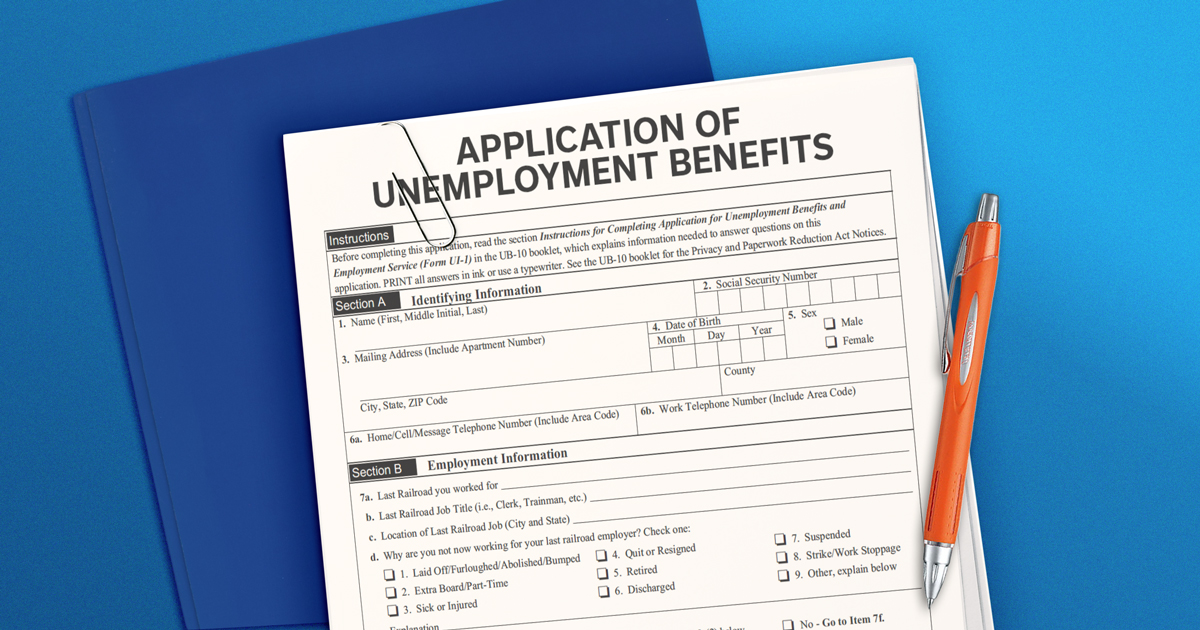
The form will ask for basic personal information, details about your most recent employer, and the reason you are no longer working. Be honest; misrepresenting facts can lead to delays or denial.
3. Submit Supporting Documentation
Upload the documents you gathered earlier. If the portal allows, attach PDFs; otherwise, you may need to fax or mail copies. Double‑check the file sizes and formats—some systems reject large files.
4. Choose a Payment Method
Direct deposit is the fastest way to receive benefits. Provide your bank routing and account numbers, or opt for a prepaid debit card if you lack a traditional bank account.
5. Review and Certify Weekly Claims
After your initial claim is approved, you’ll need to “certify” each week you’re receiving benefits. This usually involves confirming that you didn’t work, that you’re still looking for a job, and that you haven’t earned wages that exceed the weekly limit. Many states allow you to certify via phone, text, or the same online portal.
Common Hurdles and How to Overcome Them
- Delayed Payments – If you haven’t heard back within two weeks, log into your account and check the status. Often a missing document is the culprit.
- Denial of Claim – Don’t accept a denial at face value. Review the explanation, gather any missing evidence, and file an appeal within the specified timeframe (usually 30 days).
- Partial Benefits – Some states reduce benefits if you have part‑time income. Keep track of any earnings and report them accurately to avoid overpayments.
- Requirement Changes – During economic downturns, states may temporarily adjust eligibility rules. Subscribe to email alerts from your labor department to stay informed.
Staying Organized While Receiving Benefits
It’s easy to let paperwork pile up, especially when you’re juggling job applications. Here are a few habits that keep things manageable:
- Maintain a dedicated folder—digital or physical—for all unemployment correspondence.
- Set a weekly reminder on your phone to certify your claim; missing a week can reset the benefit period.
- Log every job‑search activity (applications sent, interviews, networking events) in a simple spreadsheet. This record can be handy if the agency requests proof.
- Keep receipts for any job‑search expenses (transportation, resume services). Some states reimburse these costs.
When to Seek Additional Help
If you run into roadblocks that you can’t resolve on your own, consider these resources:
- State Unemployment Helpline – Most agencies operate a toll‑free number staffed by specialists.
- Legal Aid Clinics – Non‑profits often provide free consultations for claim appeals.
- Local Workforce Centers – They can offer job‑search assistance, resume workshops, and sometimes direct referrals to employers.
Remember, the goal of unemployment insurance is to give you breathing room while you look for new work. Understanding the system, staying proactive, and keeping clear records will make the process less daunting and help you focus on the next step in your career.