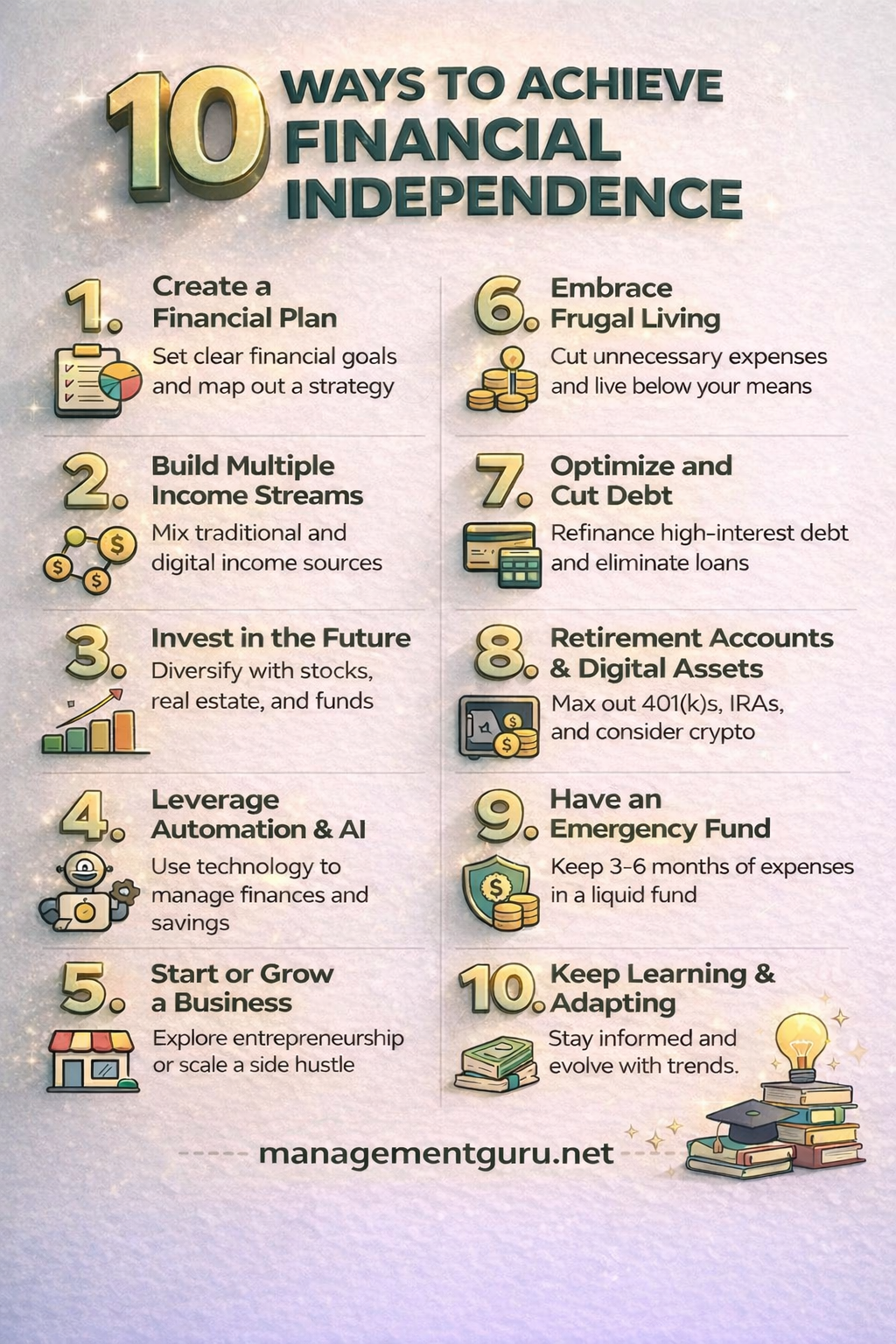
An Islamic Guide To Financial Independence And True Freedom
We often hear the term financial independence tossed around in modern self-help circles. It usually conjures images of early retirement, passive income streams, and living off dividends. But for a Muslim, the concept requires a deeper layer of intentionality. It’s not just about accumulating wealth; it’s about aligning your financial habits with your faith to achieve true khair (goodness) in this life and the hereafter.
Achieving freedom in an Islamic context means being free from the shackles of haram income, free from the anxiety of debt, and free enough to support your family and community without compromising your values. It is a journey of balancing the dunya (worldly life) with the akhirah (afterlife). Let’s explore how you can build a robust, halal financial foundation.
Understanding Rizaq and Your Duty as a Steward
The first step in any Islamic financial plan is shifting your mindset. In Islam, wealth is not an end in itself; it is a trust (amanah) from Allah. The Prophet Muhammad (peace be upon him) said, "How wonderful is the matter of a believer. Everything is good for him..." This includes his financial situation. Whether you are wealthy or have little, you are a steward of your rizq (sustenance).
This perspective changes everything. When you view your money as a test and a tool for worship, your actions shift from greed to gratitude and responsibility. You aren't just trying to get rich; you are trying to manage Allah's blessings wisely. This spiritual alignment reduces the stress often associated with money because you trust in Allah’s providence while still fulfilling your duty to seek lawful earnings.
Ensuring Your Income Is Halal
Before you can save or invest, you must ensure your source of income is clean. This is non-negotiable. Islam strictly prohibits earning money through haram industries. This includes but is not limited to:
- Usury or interest (Riba)
- Alcohol, pork, and gambling
- Deception, fraud, or misleading advertising
- Exploitation of workers or unfair labor practices
If you are currently working in a haram field, the intention to leave and transition to a halal job is a form of repentance and purification. Start looking for alternatives where your work contributes positively to society and aligns with Islamic ethics. Clean income brings barakah (blessing), which often manifests as satisfaction and growth in ways that vast, ill-gotten wealth does not.
The Power of Halal Investing and Savings
Once your income is clean, the next step is preservation and growth. Traditional banking systems rely heavily on interest, which is haram. Fortunately, Islamic finance has evolved significantly. You now have access to Shariah-compliant savings accounts and investment vehicles.
Look for products based on profit-and-loss sharing, asset-backed financing, or ethical investing. There are robo-advisors and platforms dedicated to screening stocks and funds for Shariah compliance. They filter out companies involved in excessive debt, interest-based revenue, or prohibited industries. The key here is diligence. Don’t just assume an investment is halal because it’s popular. Verify the underlying assets and the nature of the business.
Diversification is also a recommended strategy in Islam. The Prophet Muhammad (peace be upon him) advised spreading out one’s wealth to avoid catastrophic losses. By diversifying across halal sectors, you protect your capital while seeking reasonable returns.
Living frugally without being miserly
Islam praises the middle path in spending. The Prophet described the strongest believer as the one who has good character and a moderate spending habit. Avoiding extravagance (israf) is crucial for financial independence. This doesn't mean you can't enjoy life or buy nice things. It means spending within your means and rejecting consumerist culture that drives debt.
Create a budget that prioritizes needs over wants. Live below your means so that you can allocate a portion of your income to savings and charity. Frugality in Islam is about intentionality. It’s about saying "no" to a luxury item so you can say "yes" to financial security and the ability to help others.
Charity as Wealth Preservation
One of the most beautiful aspects of Islamic finance is the role of Sadaqah (voluntary charity) and Zakat (obligatory alms). Contrary to the fear that charity will deplete your wealth, the Prophet Muhammad (peace be upon him) said, "Charity does not decrease wealth." In fact, giving freely is seen as a means of increasing barakah in what remains.
Zakat purifies your wealth and helps those in need, fulfilling your social responsibility. Sadaqah is voluntary and can be given to anyone in need, including family members. Integrating regular giving into your budget ensures that your wealth circulates and that you are never attached to it too deeply. This detachment is a key component of spiritual financial freedom.
Avoiding Debt and Riba
Debt, especially debt involving interest, is a heavy burden in Islam. The Prophet warned against taking on debt you cannot repay. For those already in debt, the priority is to create a repayment plan that gets you out as quickly as possible. Avoid lifestyle inflation. If you get a raise, increase your debt repayment or savings, not your monthly expenses.
If you are house hunting or starting a business, utilize Islamic finance structures like Murabaha (cost-plus financing) or Ijara (leasing). These structures avoid interest by involving actual asset ownership and profit shares. It may require more paperwork or higher upfront costs, but it ensures your major life assets are acquired in a halal manner.
Frequently Asked Questions
Can I use a traditional credit card for emergencies?
Using credit cards allows for rewards and convenience, but if it incurs interest for carrying a balance, it involves riba. Many scholars recommend using a debit card or checking for interest-free Islamic credit alternatives. If you must use a regular card, pay it off in full every month to avoid interest charges entirely, though caution is advised regarding the card's terms.
Is all cryptocurrency haram?
The ruling on cryptocurrency varies among scholars. Some view it as haram due to its speculative nature (gharar) and lack of intrinsic value. Others consider halal projects that have real utility and are not tied to prohibited activities to be permissible. It is best to consult a qualified scholar and look for cryptos with clear, halal use cases.
How much should I save for an emergency fund?
While there is no fixed Islamic rule, financial experts generally recommend 3 to 6 months of living expenses. In Islam, planning ahead is encouraged. Having a cash reserve helps you avoid falling into debt when unexpected events occur.
Does financial independence contradict the concept of Tawakkul (reliance on Allah)?
No. Tawakkul means trusting Allah after taking the necessary means. Working hard, saving wisely, and planning for the future is part of taking the means (asbab). It shows that you value the trust Allah has given you. Leaving things entirely to chance without effort is not Tawakkul.