Austin Reaves’ Impact vs. The Timberwolves
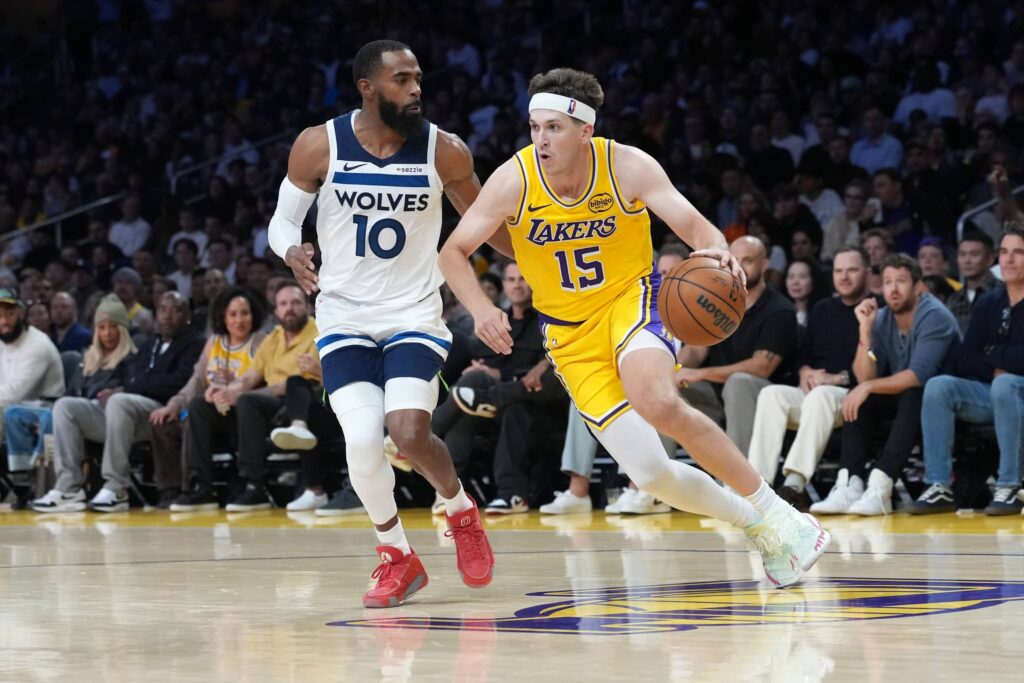
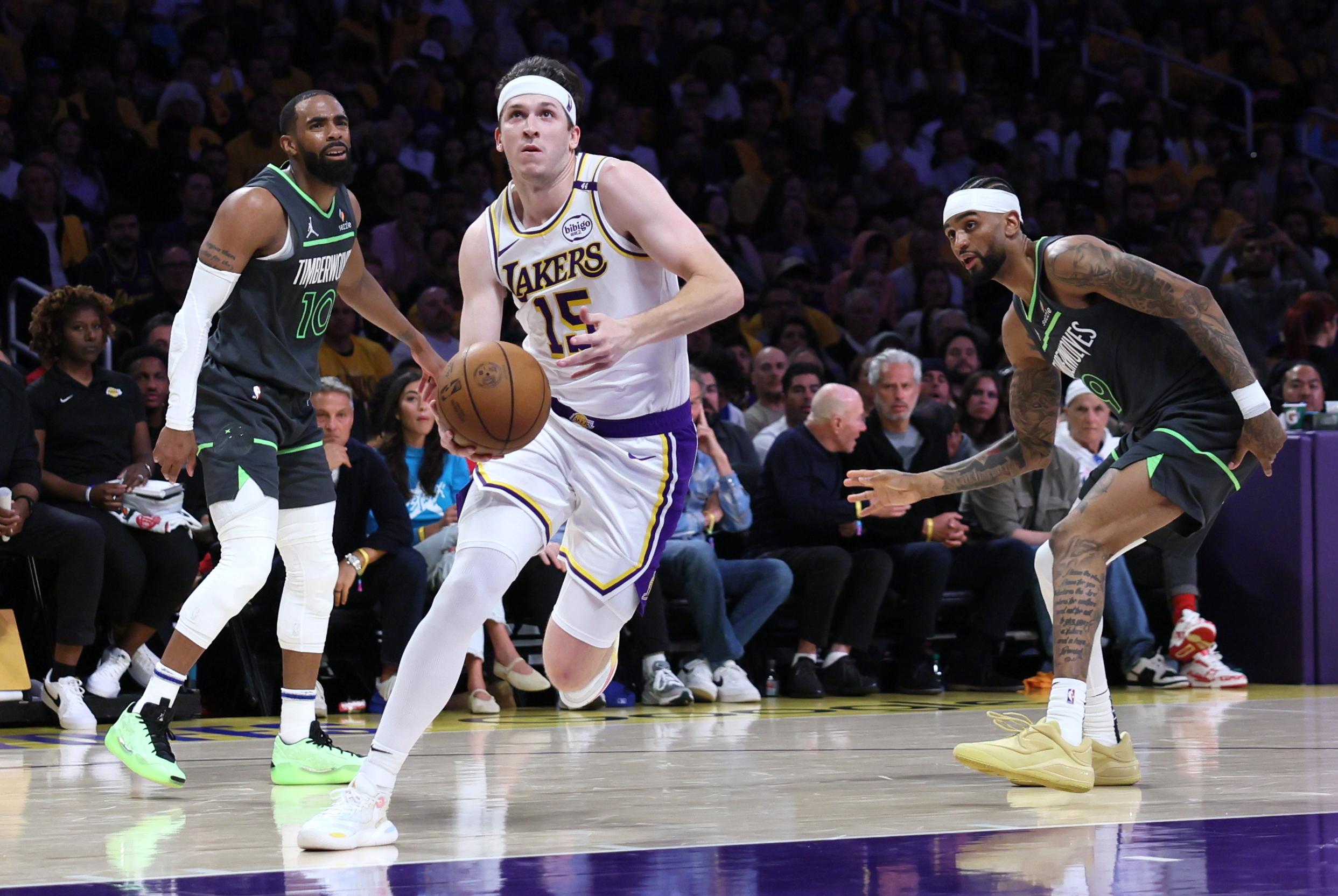
When you watch Austin Reaves play, it’s easy to get swept up in the narrative. He’s the heart-and-soul guy, the undrafted soldier who clawed his way to starting the point guard spot for the Los Angeles Lakers. But when we talk about his "dominance" against a defensively elite team like the Minnesota Timberwolves, we have to separate the eye test from the box score. Reaves doesn’t doo many traditional dominance stats. He doesn’t average 30 points or grab 12 rebounds. His impact is subtler, more nuanced, and often harder to quantify in a standard stats sheet.
The High-IQ Point Guard Approach
Reaves’ game against top-tier defenses like Minnesota’s is fundamentally about efficiency and spacing. He’s not trying to blow by Rudy Gobert on every possession. Instead, he operates as a facilitator who understands leverage. The Timberwolves, known for their switchable lineups and elite rim protection, present a nightmare for many guards. Reaves navigates this by making quick reads. He looks for the slip, the cut, or the open three.
In recent matchups, Reaves has shown a marked improvement in his decision-making under pressure. He doesn’t force shots when Gobert is camping the paint. Instead, he hits the dive-curl to play off the wall, or he dumps the ball to a rolling big. This basketball IQ is what separates him from a generic role player. He’s becoming a primary ball-handler who can control the pace, which is exactly what the Lakers need when facing physical, aggressive units like Minnesota’s.
Efficiency Over Volume
One of the most telling stats in these matchups isn’t total points, but true shooting percentage and assist-to-turnover ratio. Reaves tends to play with a lower turnover rate against elite defenses because he respects the defensive scheme. He doesn’t hero-ball. When he scores, it’s usually high-percentage looks: floaters in the lane, corner threes, or easy put-backs. This efficiency is crucial because every lost possession against a team like Minnesota can be costly. Reaves’ ability to protect the rock while generating offense for others is his real dominance.
Defensive Versatility and Disruption
Offense gets the headlines, but Reaves’ value against the Timberwolves often emerges on the other end of the floor. Minnesota’s offense is driven by Anthony Edwards, Karl-Anthony Towns, and Jaden McDaniels, all of whom require versatile defenders. Reaves doesn’t shut down elite scorers on his own—that’s not his role—but he’s diligent in team defensive schemes.
He’s effective at navigating screens and staying attached to his assignment. Against Edwards, for example, Reaves can’t rely on pure athleticism to stay in front, so he uses anticipation and proper positioning to force contested shots. He’s also great at locating the ball defensively, which minimizes the number of open looks Minnesota gets. While he might not lead the league in steals or blocks, his defensive impact is felt in the form of disrupted passing lanes and contested shots.
The Physical Battle
The Lakers-Timberwolves games are often physical, and Reaves has improved his physicality. He’s no longer the wiry rookie who gets bullied in the post. He sets solid screens, fights through contact, and plays with a chip on his shoulder. This toughness is essential when facing a Minnesota team that prides itself on bodying up defenders. Reaves’ willingness to get his hands dirty in the paint sets the tone for the Lakers’ physical play.
Team Chemistry and Flow
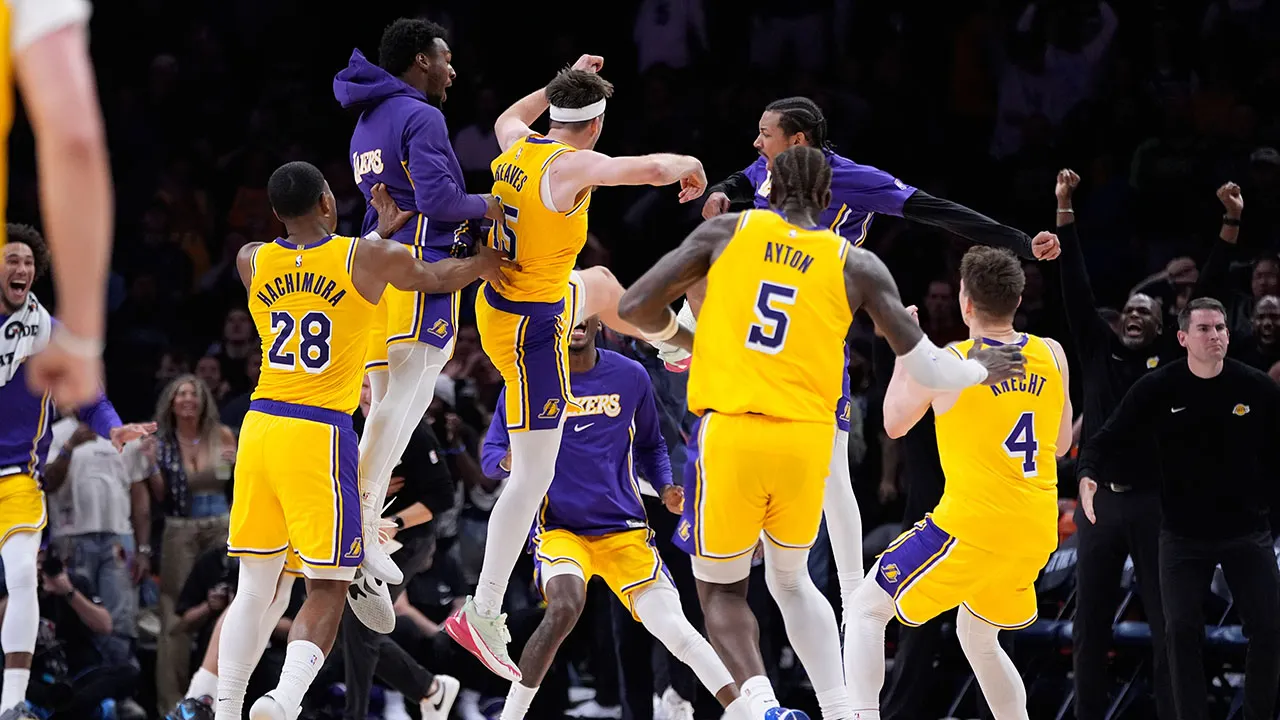
Perhaps Reaves’ most underrated contribution against Minnesota is his role as a locker-room leader and on-court connector. He plays selflessly, which frees up Anthony Davis for high-efficiency looks. When Reaves draws double teams, he finds the open man. This ability to act as a catalyst is vital because it allows the Lakers to play off each other rather than relying on isolation plays. Against a disciplined team like the Wolves, which thrives on forcing teams into half-court sets with low percentages, Reaves’ ball movement creates chaos for the defense.
Reaves’ chemistry with Ivica Zubac and Anthony Davis is also on full display. He knows how to hit the lob or the short-side roller. This partnership is often the difference between a stagnant offense and a flowing one. Minnesota’s zone defenses or drop coverage are tough to crack with iso-heavy approaches, but Reaves’ passing ability helps dissect these schemes.
Measuring the True "Dominance"
If we define dominance as controlling the game’s tempo and influencing the outcome without being the primary scorer, Reaves is quietly dominating these matchups. He’s not winning scoring titles, but he’s winning possessions. He’s making the right passes, taking the right shots, and defending his assignment. Against a team as complete as the Timberwolves, that’s often more valuable than a stat-stuffing game that doesn’t translate to a win.
The box score might not show Reaves with 25 points and 10 assists every time he faces Minnesota, but the narrative of his play tells a different story. He’s the engine that keeps the Lakers competitive, the guy who makes the hard looks look easy. In a league that increasingly values versatility and clutch gene, Reaves’ performance against elite teams is a testament to his growth and importance. He may not shout from the rooftops, but his impact on the floor—especially against the Timberwolves’ stifling defense—speaks volumes about his development as an NBA player.
Frequently Asked Questions
- Does Austin Reaves shut down Anthony Edwards? Reaves doesn't single-handedly shut down Edwards but plays disciplined team defense, forcing Edwards into contested shots and limiting easy drives.
- What are Reaves' key strengths against the Timberwolves? His high basketball IQ, efficiency in shot selection, low turnover rate, and ability to facilitate for Anthony Davis and others.
- How does Reaves handle Rudy Gobert? He avoids driving directly into Gobert, instead using floaters, hitting cutters, or passing out of double teams to mitigate the rim protector's impact.
- Is Reaves a good 3-and-D player? He is a solid 3-point shooter and a diligent team defender, making him a versatile role player rather than a pure lockdown defender.