Can Podcasting Actually Pay the Bills? A Real‑World Look
When you hear a friend brag about launching a “million‑subscriber” podcast, it’s tempting to assume the cash flow is automatic. The truth is messier. Some creators are cashing checks, others are stuck in the “hobby‑phase” for years. If you’ve ever wondered whether you can genuinely make money from the mic, this deep dive breaks down the revenue streams, the realistic earnings you might see, and the pitfalls that turn enthusiasm into disappointment.
Where the Money Comes From
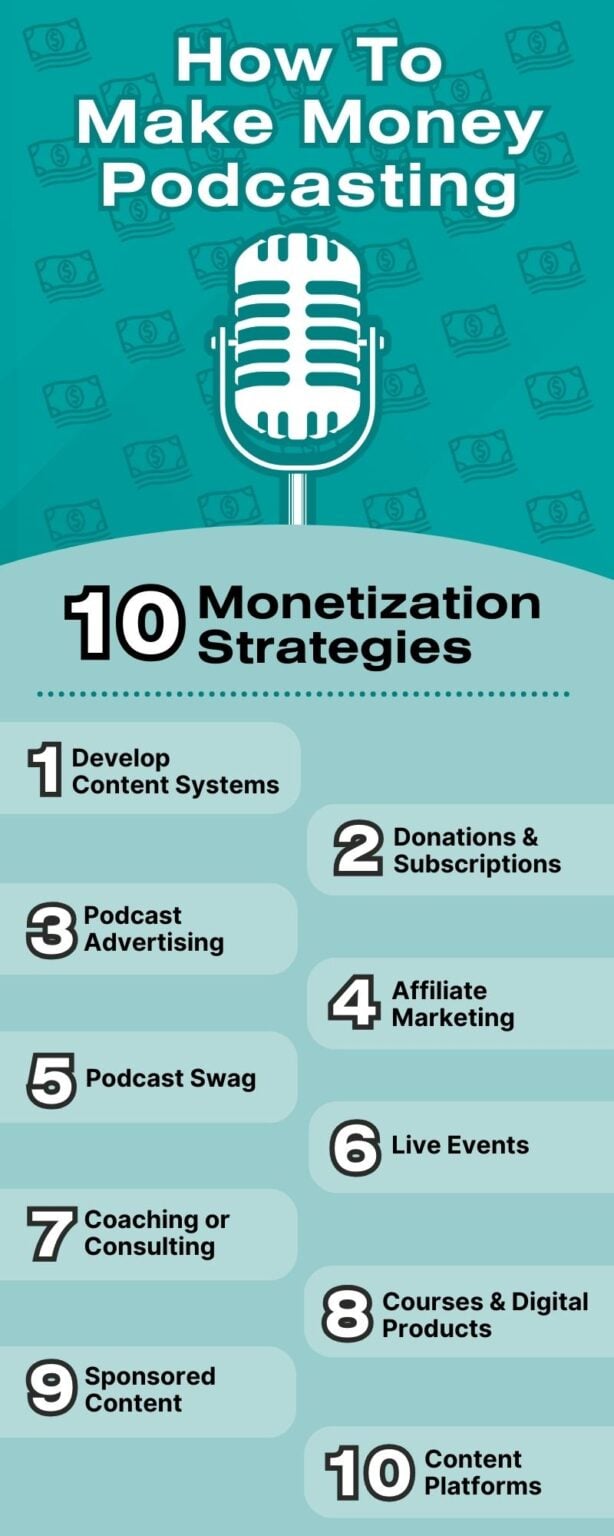
Podcasts generate income through several distinct channels, each with its own timeline and requirements.
- Advertising and sponsorships – The classic “read‑out” model where brands pay per thousand impressions (CPM) or a flat rate for a mention.
- Listener support – Platforms like Patreon, Ko‑fi, or even direct PayPal donations let fans fund the show directly.
- Premium content – Offering ad‑free episodes, bonus shows, or early access for a subscription fee.
- Affiliate marketing – Earn commissions when listeners purchase products you recommend.
- Merchandise – Branded mugs, shirts, or anything that turns a loyal audience into paying customers.
How Much Do Podcasters Actually Earn?
Numbers vary wildly, but a few industry benchmarks help set expectations.
For advertising, many networks pay between $18 and $50 CPM. That means a show pulling 10,000 downloads per episode could earn roughly $180–$500 per release, assuming a single ad spot. Put another way: a weekly show at the low end of the range would bring in $720–$2,000 a month.
Listener‑support models are more unpredictable. A creator with 2,000 patrons paying an average of $5 per month nets $10,000, but achieving that level of recurring support usually requires years of community building.
Affiliate earnings are often a fraction of ad revenue—perhaps 5–10% of total income—unless the niche is highly product‑driven (e.g., tech gear reviews). Merchandise can add a tidy boost, but inventory, shipping, and design costs cut into the margin.
Bottom line: most podcasts fall into three tiers. Tier 1—the hobbyist—makes under $100 a month, primarily covering hosting fees. Tier 2—the part‑timer—rakes in $500–$2,000, enough to supplement a day job. Tier 3—the full‑time professional—breaks $5,000 and upward, often through a mix of the channels above.
Factors That Skew the Numbers
It’s easy to point to a single success story and miss the variables that made it happen.
- Audience size vs. engagement – A million downloads don’t guarantee high CPM if listeners skip ads. Brands care about completed listens and demographic fit.
- Niche relevance – Podcasts about finance, health, or technology often command higher ad rates because advertisers can target high‑value consumers.
- Production quality – Crisp audio, consistent release schedules, and professional editing raise perceived value and attract bigger sponsors.
- Geographic market – US and UK audiences typically earn higher CPMs than listeners in emerging markets.
Real‑World Examples
The Daily Grind, a solo show about coffee culture, started with 500 weekly downloads. Within 18 months, the host secured a single sponsorship at $25 CPM, pulling in about $300 a month. Add a Patreon tier of $3 with 70 patrons, and the total crossed $1,000—enough to quit a part‑time barista job.
In contrast, Tech Talk Weekly boasted 50,000 downloads per episode but only earned $600 from ads because most advertisers were hesitant to buy spots in a highly competitive tech niche. The host eventually pivoted to a premium subscription model, offering deeper dive episodes for $7 a month, which now accounts for 60% of revenue.
These stories illustrate that raw download numbers are only one piece of the puzzle; monetization strategy often determines the final paycheck.
Building a Sustainable Income Stream
Here’s a practical roadmap for turning a modest listener base into reliable cash flow.
- Know your audience. Use analytics to identify age, location, and listening habits. Tailor ad pitches to brands that value those specifics.
- Start small with sponsorships. Even a 15‑second read for a local business can demonstrate your ability to deliver a message.
- Layer in listener support early. Offer a simple “coffee‑cup” tier on Patreon; low entry barriers keep friction minimal.
- Experiment with premium content. Release a bonus episode every month—perhaps an interview that didn’t fit the regular format—and charge a modest fee.
- Leverage affiliates wisely. Choose products you genuinely use; authenticity translates into higher conversion rates.
- Track everything. Keep a spreadsheet of downloads, CPM, affiliate clicks, and merch sales. Numbers reveal which levers move the needle.
Common Pitfalls to Avoid
Even seasoned podcasters stumble when they overlook the business side.
- Chasing vanity metrics. Focusing solely on total downloads without considering completion rates can mislead sponsors.
- Overloading ads. Listeners tune out after two pitches; a cluttered episode drives down engagement and hurts future ad rates.
- Neglecting legalities. Disclose sponsorships and affiliate links. Failure to do so can result in FTC violations and loss of credibility.
- Ignoring community. A loyal fan base is the bedrock for recurring revenue. Respond to comments, solicit feedback, and make listeners feel part of the show.
Is Podcasting Worth the Investment?
If you’re asking whether you can replace a full‑time salary, the answer is “yes, but only for a minority.” The median podcaster never reaches the $5,000‑a‑month mark. However, many creators find value beyond the paycheck: a platform to share expertise, a springboard for speaking gigs, or a stepping stone to book deals.
For most, the equation looks like this: Passion + Consistency + Smart Monetization = Supplemental Income. Treat the mic as a small business—budget for hosting, equipment, and maybe a freelance editor. Reinvest early earnings into better production; the incremental boost in quality often translates to higher CPMs and more willing patrons.
Bottom Line
Podcasting can indeed pay the bills, but the path is rarely a straight line. Advertising alone rarely funds a full‑time lifestyle unless you have a massive, highly engaged audience. Combining sponsorships with listener support, premium content, and carefully chosen affiliates creates a diversified income mix that smooths out the inevitable dips in download numbers.
So, before you chase the myth of “instant podcast riches,” ask yourself: am I ready to treat my show like a business, nurture a community, and experiment with multiple revenue streams? If the answer is yes, the mic is waiting, and the paycheck—while never guaranteed—can become a very real part of your bottom line.