Centenarian Secrets: Unlocking the Longevity Code
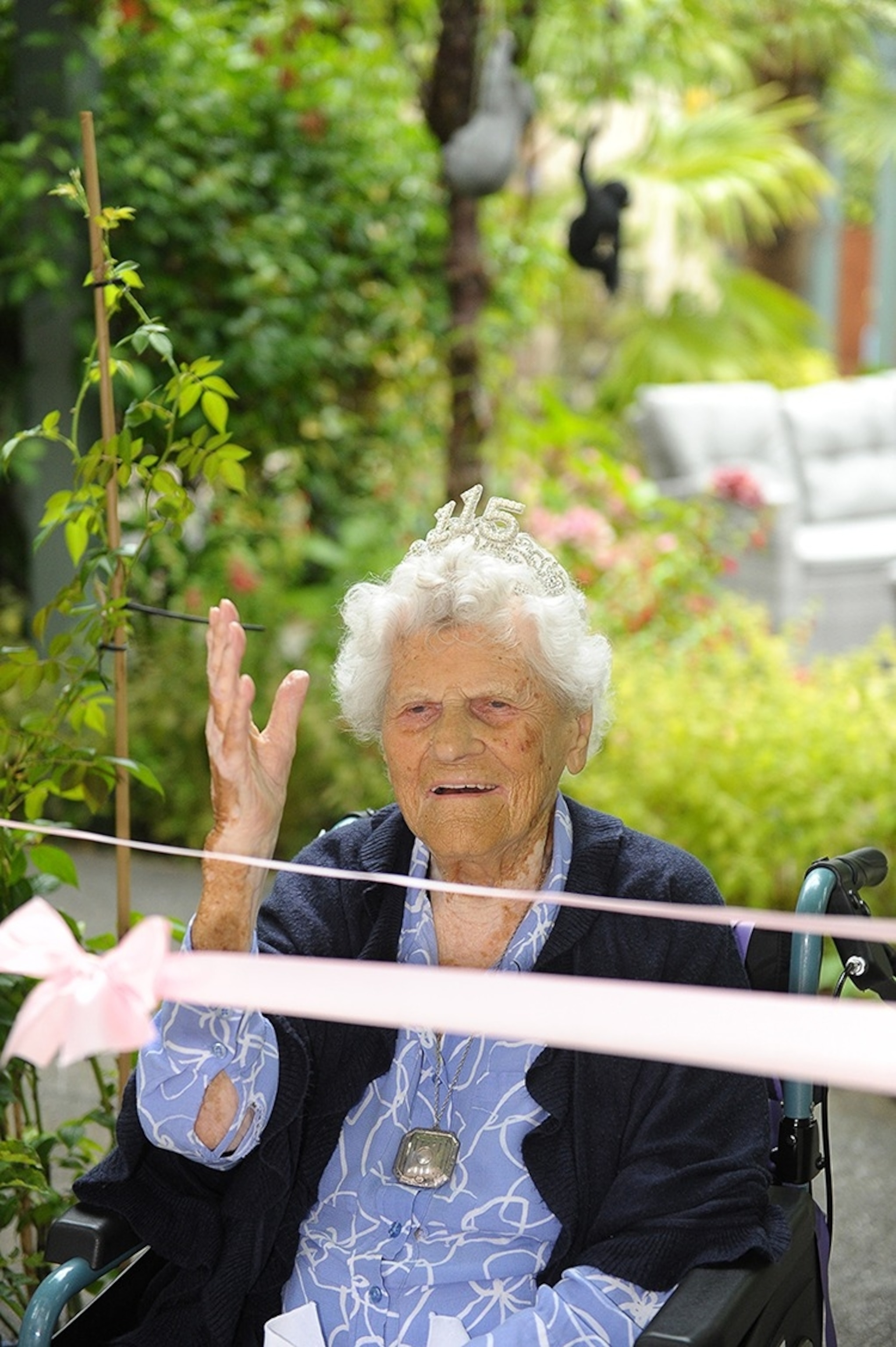
It is easy to feel a touch of envy when we read about someone turning 110, 115, or even breaking the record at 122. The image is always idyllic: a frail but sharp-eyed elder surrounded by multiple generations of descendants, often described as having a zest for life that defies their biological age. But beyond the novelty of the human auction record, there is a serious scientific and cultural quest happening. Researchers, gerontologists, and curious laypeople alike are scouring the habits of the world’s oldest residents. The goal isn’t just to live longer, but to understand how to live better for longer. When we look past the genetic lottery, what remains are fascinating, actionable patterns.
The search for the secret to longevity often leads us to specific geographic pockets known as "Blue Zones." These are regions where people routinely live past 100 at significantly higher rates than the rest of the world. Places like Okinawa in Japan, Sardinia in Italy, and Nicoya in Costa Rica share startlingly few similarities in culture, yet their habits regarding food, movement, and community are remarkably aligned.
It’s Not Just One Thing
I remember reading an interview with a nonagenarian who was asked, “What is your secret to staying so healthy?” His response was a simple shrug. He said he just didn’t make a big deal out of being old. He ate beans, walked to the store, and enjoyed his grandchildren. That dismissive tone actually holds a clue. Longevity isn’t usually the result of a single superfood or a rigid, punishing exercise regimen. It is the cumulative effect of low-stress living, purposeful movement, and consistent, modest nutrition. The “secret” is mundane because it requires patience, not intensity.
Many of us look for a pill or a protocol. We want the shortcut. But the data on centenarians suggests that consistency beats intensity every time. If you compare the average American lifestyle to that of a resident of Loma Linda, California (another prominent Blue Zone), the differences are stark. The Loma Lindans are largely Seventh-day Adventists who abstain from smoking, alcohol, and often meat, while adhering to a strict rest day each week. It’s a lifestyle built on recovery and moderation rather than extremes.
Move Naturally, Eat Intentionally
Physical activity in these longevity hotspots rarely looks like a gym routine. There are no treadmills in the villages of Okinawa. Instead, people garden, walk to the market, and climb hills to visit friends. This is called naturally integrated movement. We aren’t scheduling 45 minutes of cardio; we are simply not living in a way that promotes total inactivity. This constant low-level movement keeps joints mobile and cardiovascular health strong without the cortisol spike associated with high-intensity interval training.
Then there is the matter of food. The diet in these regions is predominantly plant-based. Beans are the centerpiece of the protein intake in Sardinia and Nicoya. Veggies, whole grains, and raw greens seem to be more of a side dish to the main plant-heavy plate rather than an afterthought. Interestingly, many of these cultures also practice a form of intermittent fasting not out of trend-following, but out of tradition. In Okinawa, there is a saying: Hara hachi bu—eat until you are 80 percent full. That 20 percent gap allows the digestive system to rest and prevents the chronic inflammation linked to overeating.
The Power of Social Glue
If you drill down into the qualitative data, the strongest predictor of longevity isn’t what you eat, but who you know. Humans are pack animals, and isolation is as deadly as smoking fifteen cigarettes a day. In the Blue Zones, multi-generational households are common. Grandparents aren’t shipped off to facilities; they stay in the family circle, caring for grandchildren and sharing meals. This proximity provides a built-in support system.
Furthermore, these communities often have a clear sense of belonging. Whether it’s the "Ikigai" in Japan (a reason for being) or the "Plan de Vida" in Costa Rica (a purpose in life), having a reason to get up in the morning seems to physically protect the body against stress. Stress is a killer, but the way we handle it matters. Spiritual practice, whatever form it takes, appears to grant elders a psychological toolkit for dealing with the inevitable hardships of life. It’s not magic; it’s community.
Genetics vs. Environment
We cannot ignore the genetic component. Having parents who lived to 100 does statistically increase your chances. However, research suggests that genetics only account for about 20 to 30 percent of the variance in human lifespan. The other 70 percent is environmental and behavioral. This is the good news. You can’t change your DNA, but you can change your zip code, your dinner plate, and your social circle.
There is a tendency in the longevity conversation to romanticize rural life. While the villages of Okinawa offer a stress-free environment, they also lack access to high-level healthcare. It is worth noting that the longest-lived people today are surviving on a combination of natural habits and modern medicine. If someone falls or gets an infection, they have access to antibiotics and surgery. The interplay between ancestral wisdom and modern science is what allows these individuals to thrive.
Applying It to Modern Life
Most of us do not live in a rural farming village. We commute, work in offices, and order takeout. Does the longevity code apply to us? Absolutely, though it requires adaptation. You don’t need to move to Sardinia. You need to cultivate similar principles. Can you find a way to walk more? Can you eat a plant-heavy dinner? Do you have a weekly dinner with friends who are not just coworkers? These small shifts accumulate.
It is also about redefining success. In our culture, we value productivity and speed. In longevity cultures, they value connection and presence. Perhaps the most profound secret isn't a specific nutrient, but a shift in priority. Prioritizing relationships over schedules, rest over hustle, and food as fuel rather than entertainment creates a biological environment where cells can repair and regenerate.
Living Longer, Living Better
The conversation around the longest living person is often focused on age, but the real metric should be healthspan. We want more years in our life, but we also want life in our years. The elders who make the news don’t just survive; they are engaged. They joke, they eat, they love. Their secret is not a locked treasure chest, but a daily practice. It is available to anyone willing to slow down, connect deeply, and treat their body with a little more respect.
Frequently Asked Questions
- Is there a single gene responsible for extreme longevity?
No. Longevity is polygenic, meaning it is influenced by hundreds of small genetic variations rather than one single "long life" gene. Additionally, lifestyle factors play a much larger role than genetics for the majority of the population.
- Can I still live a long life if I don't live in a Blue Zone?
Yes. While living in a Blue Zone provides built-in environmental advantages, studying their habits (plant-based diet, natural movement, strong social ties, and stress reduction) and applying them to your current environment can significantly boost your healthspan.
- What is the current record for the longest living person?
The verified record is held by Jeanne Calment of France, who lived to be 122 years and 164 days. As of recent years, claims of people exceeding this age, such as those from Japan, are often under investigation and frequently found to rely on forged or mismatched birth records.
- Does stress really shorten your life?
Chronic stress elevates cortisol levels, which can lead to inflammation, heart disease, and a weakened immune system. However, acute stress (like finishing a project) is different. The key is managing chronic emotional distress through community, spirituality, or mindfulness practices.