Choosing the Right Bonnet Flange for Heat Exchangers
When a heat exchanger needs a reliable seal for its inlet or outlet, the bonnet flange often does the heavy lifting. It’s the quiet workhorse that keeps the fluid pathway tight while allowing easy access for maintenance. Selecting the proper bonnet flange, however, isn’t as simple as grabbing the first metal disc you see. Material, pressure rating, bolt pattern, and even the type of gasket all play a part.
Why the Bonnet Flange Matters
In a shell‑and‑tube exchanger, the bonnet clamps the tube bundle in place and provides the conduit for the process fluid. A poorly matched flange can cause leaks, excessive stress on the tube sheet, or premature fatigue. In extreme cases, a local leak can force a shutdown, costing both time and money.
Because the flange is frequently removed for cleaning or inspection, it must also be robust enough to survive repeated bolt torque cycles without warping.
Key Selection Criteria
- Material Compatibility – Match the flange to the process fluid and the rest of the exchanger. Carbon steel works for most water‑based services, while stainless steel or duplex alloys are preferred for corrosive chemicals.
- Pressure Class – The flange’s pressure rating (class 150, 300, 600, etc.) must exceed the maximum operating pressure. Remember that temperature spikes can reduce the effective rating.
- Face Type – Raised‑face (RF), flat‑face (FF), and ring‑type joint (RTJ) each demand a different gasket style. RF is the most common for general‑purpose exchangers.
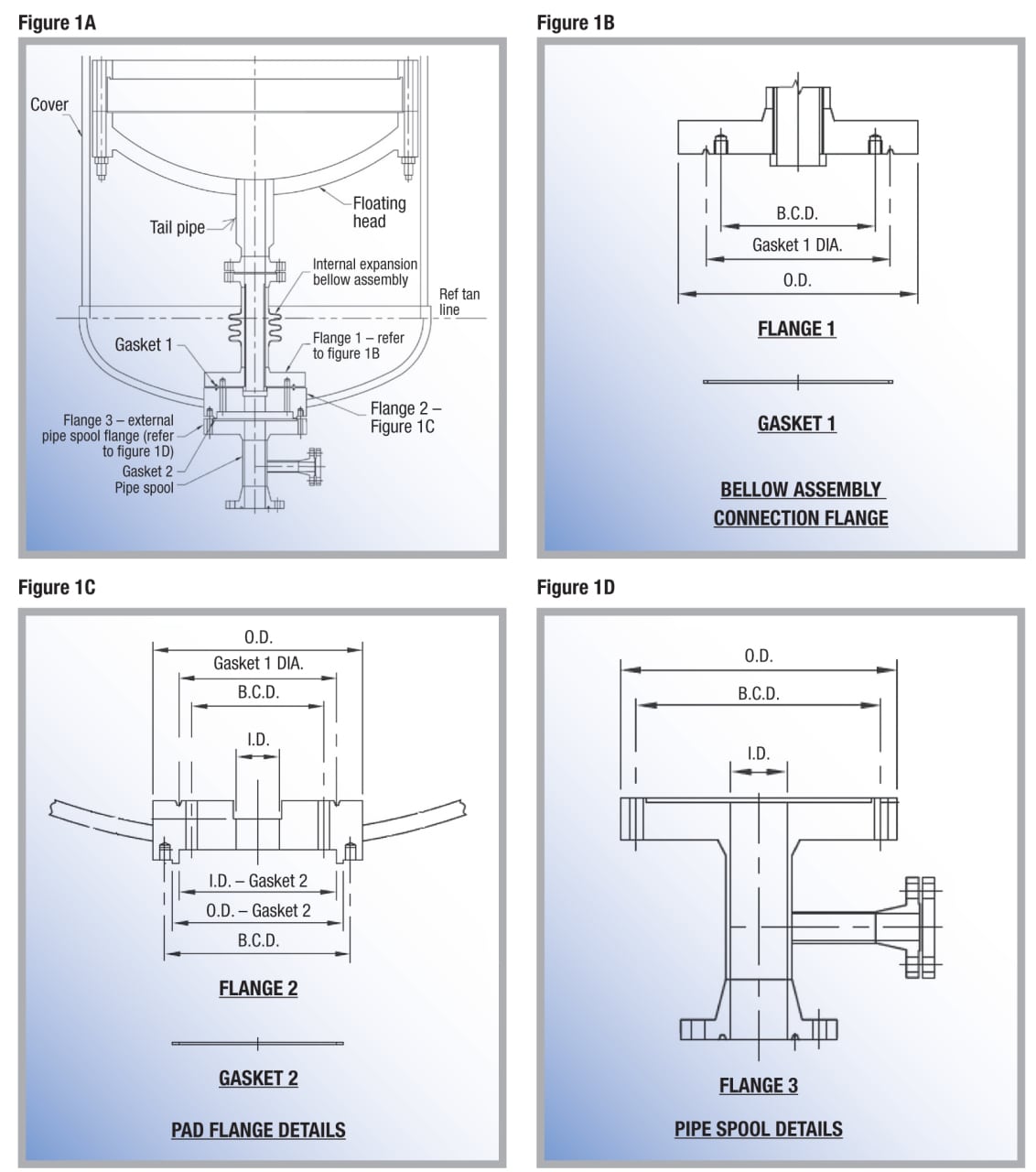
- Bolt Circle and Size – The number of bolt holes, their diameter, and the bolt circle diameter must align with the existing bonnet or be engineered for a retrofit.
- Dimensional Standards – Follow ASME B16.5 or EN 1092‑1, depending on regional preferences, to ensure interchangeability.
Material Choices in Practice
Imagine a refinery handling sour gas. Carbon steel would corrode quickly, so a duplex stainless steel flange—often ASTM A182 F51—becomes the prudent choice. On the other hand, a district‑heating plant circulating treated water can get away with a low‑alloy steel flange, saving on upfront cost without sacrificing durability.
When temperature swings exceed 300 °C, high‑temperature alloys like Inconel may be necessary. Their expense is justified by the reduced risk of creep deformation that could otherwise compromise the seal.
Gasket Pairings
Choosing a gasket that matches both the flange face and the service conditions is half the battle. For RF faces, a spiral wound gasket with an inner metal winding and an outer softer filler works well under cyclic pressure. For FF faces, a compressed non‑asbestos fiber gasket can be sufficient, provided the fluid isn’t aggressive.
Understanding Pressure Classes
Pressure classes are often misunderstood as a one‑size‑fits‑all label. Class 150, for instance, is fine for 150 psi at ambient temperature, but if you’re operating at 200 psi and 250 °C, you’ll need at least class 300. The ASME tables factor in temperature, so a quick cross‑reference can prevent costly re‑engineering later.
Don’t forget the impact of external loads. The torque applied to the bolts creates a clamping force that adds to the internal pressure. Over‑tightening can distort the flange face, while under‑tightening invites leaks.
Bolt Circle Nuances
Most manufacturers standardize on bolt circles of 300 mm, 400 mm, or 600 mm, but custom equipment may require odd dimensions. A mismatched bolt pattern forces you to either re‑drill the bonnet—risky and expensive—or purchase a whole new flange assembly.
When retrofitting, check whether the existing bonnet can accommodate a larger bolt circle without interfering with nearby supports or piping. Sometimes a short‑run flange with fewer bolts (e.g., 8 × ½‑inch) is a practical compromise.
Quick Bolt‑Fit Checklist
- Count bolt holes and verify diameter.
- Measure bolt circle diameter with a caliper.
- Confirm that the bolt grade matches the flange’s pressure class.
- Ensure the bolt length clears the gasket thickness plus the flange face.
Installation Tips to Avoid Common Pitfalls
Even the perfect flange will fail if installed incorrectly. Start by cleaning both flange faces thoroughly—any debris turns a good seal into a leak point. Apply a thin, even layer of gasket lubricant if the manufacturer recommends it; this helps achieve uniform bolt tension.
Use a calibrated torque wrench and follow a star‑pattern sequence. This method distributes the load evenly and reduces the chance of localized over‑stress.
After torquing, let the assembly sit for a few minutes, then re‑check torque values. Thermal expansion during service can shift the bolts, so a final verification after a warm‑up cycle is wise.
When to Opt for a Custom Bonnet Flange
Standard sizes cover the majority of industrial exchangers, but niche applications—like offshore platforms or aerospace cooling loops—often demand bespoke flanges. In these cases, work with a fabricator who can mill the flange to exact dimensions, select a corrosion‑resistant alloy, and perform a pressure test before shipping.
Custom solutions also make sense when space constraints prevent a conventional bolt circle. A compact, welded bonnet with a single large‑diameter bolt may be the only viable option.
Cost versus Performance Trade‑offs
It’s tempting to chase the lowest price tag, yet the cheapest flange can become the most expensive part of your plant’s lifecycle. A modest up‑front investment in a higher‑grade material or a larger pressure class often pays for itself in reduced maintenance and longer inspection intervals.
Run a simple pay‑back analysis: estimate the cost difference, factor in the expected downtime avoided by a more reliable seal, and you’ll see why many engineers opt for a class 300 stainless steel flange even when a class 150 carbon steel version appears adequate on paper.
Final Thoughts on Getting It Right
Choosing the right bonnet flange blends engineering judgment with a dash of practical experience. Material selection, pressure rating, bolt geometry, and gasket compatibility all intertwine. By systematically checking each factor—and not skimping on proper installation—you’ll keep your heat exchanger humming, leak‑free, and ready for the next maintenance window.