Choosing the Right Septic Tank Size for a 3‑Bedroom Home
When you’re planning a new build or upgrading an existing 3 bedroom house, the septic system often hides in the background—until it doesn’t. Selecting a tank that’s too small can lead to costly backups, while an oversized unit may be an unnecessary expense. Below we unpack the key factors that determine the proper septic tank size, walk through typical capacity ranges, and offer practical steps to ensure your system matches the household’s needs.
Why Size Matters: The Basics of Septic Function
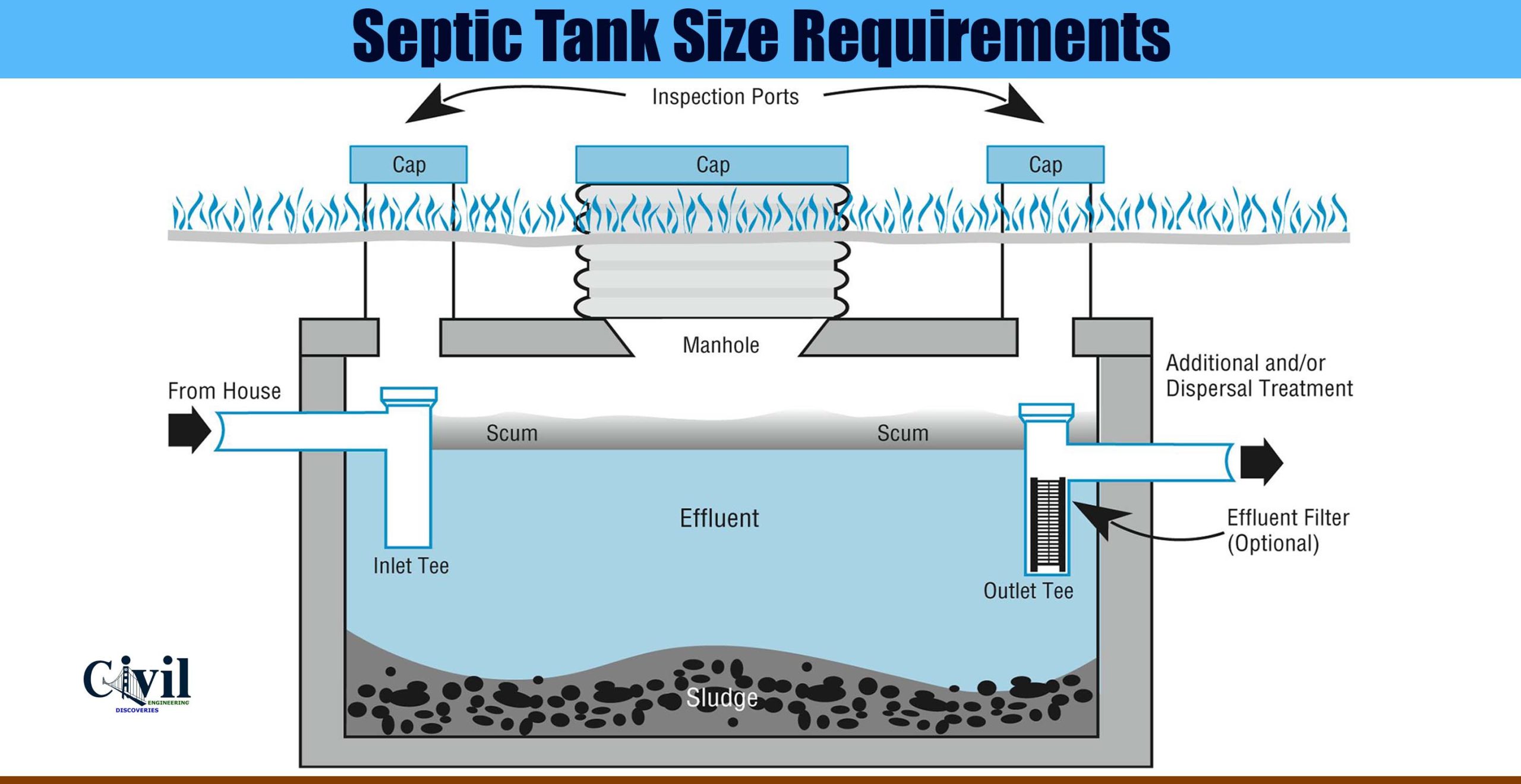
A septic tank’s job is simple in theory: collect wastewater, allow solids to settle, and promote bacterial breakdown of organic matter. In practice, the tank must hold enough liquid between pump‑outs to keep solids from spilling into the drain field. If the tank fills too quickly, the drain field can become overloaded, leading to foul odors, soggy lawns, and costly repairs.
Occupancy and Water Use: The Primary Drivers
Most health departments calculate tank size based on the number of bedrooms, assuming each bedroom houses roughly two occupants. For a 3‑bedroom home, that translates to about six people. However, real‑world usage varies. A family that showers twice daily, runs multiple loads of laundry, or operates a large water‑intensive garden will push the system harder than a couple who keep water use modest.
When estimating, consider:
- Average daily water consumption per person (about 70‑100 gallons in the U.S.)
- Frequency of high‑flow events like laundry or dishwashing
- Any additional fixtures such as a hot tub or pool pump
Typical Septic Tank Capacities for 3‑Bedroom Homes
Guidelines differ by jurisdiction, but a common rule of thumb suggests:
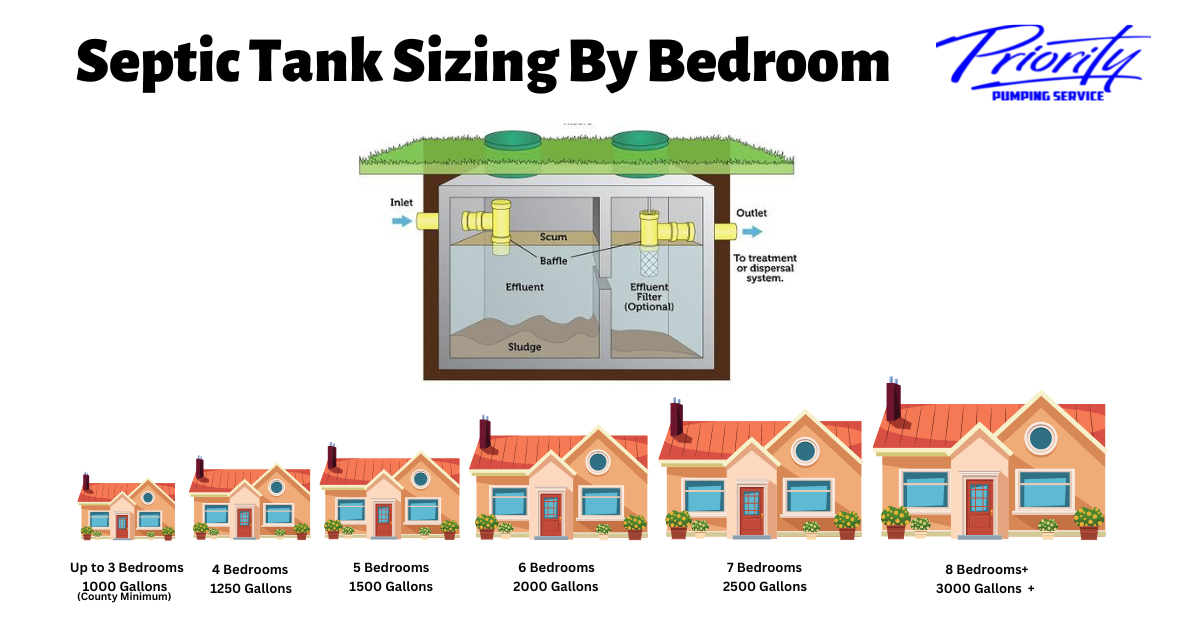
- Minimum 1000‑gallon tank for standard water usage
- 1250‑gallon tank if the household consistently exceeds average consumption
- 1500‑gallon tank for homes with extra loads (e.g., in‑law suite, frequent guests)
These figures are not hard laws; they serve as a starting point. Local regulations may impose higher minimums based on soil percolation rates or climate considerations.
Soil Percolation and Drain‑Field Design
Even the perfect‑sized tank can falter if the surrounding soil doesn’t absorb effluent efficiently. A percolation test (or “perc test”) measures how quickly water moves through the soil. Slow‑percolating soils (clay) often require larger drain fields, which can influence the tank size recommendation. In such cases, health officials might mandate a bigger tank to give the drain field more time to treat the wastewater.
Local Codes and Permit Requirements
Before ordering a tank, check the municipality’s septic regulations. Many counties publish tables linking bedroom count to minimum tank volume, while others use a “person‑equivalent” calculation. Ignoring these requirements can delay construction and lead to costly re‑work.
Typical steps to stay compliant:
- Contact the local health department or environmental agency
- Request the specific septic sizing formula they use
- Obtain a permit that details the approved tank capacity and placement
Choosing the Right Tank Material
Concrete, fiberglass, and high‑density polyethylene (HDPE) dominate the market. Concrete tanks are heavy and durable but can be prone to cracking in freeze‑thaw cycles. Fiberglass offers lighter weight and resistance to corrosion, though it may be pricier. HDPE combines strength with flexibility, making it a solid middle ground. Your choice won’t change the required volume, but it will affect installation costs and long‑term maintenance.
Practical Tips for Homeowners
Here are a few actions you can take right now to avoid surprises:
- Track water usage. A simple kitchen sink flow meter can reveal if you’re exceeding typical consumption.
- Schedule a professional percolation test. Even if the soil looks “normal,” a formal test provides the data inspectors need.
- Plan for future expansion. If you anticipate adding a bedroom or an accessory dwelling unit, opt for a larger tank now to avoid a later retrofit.
- Maintain regularly. Pump the tank every 3‑5 years (or per local guidelines) to keep it operating at peak efficiency.
FAQ
How many gallons should a septic tank be for a 3‑bedroom house?
Most jurisdictions recommend a minimum of 1000 gallons, with 1250 gallons being common for households that use more water than average.
Can I install a smaller tank if I’m the only occupant?
Technically yes, but many health departments base the requirement on bedroom count rather than actual occupants, so a smaller tank may not pass inspection.
What if my soil has a slow percolation rate?
A slow‑percolating (clay) soil often triggers a requirement for a larger tank or a more extensive drain field to give the system extra treatment time.
Do I need a permit to install a septic tank?
In virtually every U.S. state, a permit is required. The permitting process ensures the tank size, material, and placement meet local health and environmental standards.