Conquering Chronic Insomnia: A Comprehensive Guide
Are you tired of tossing and turning at night, only to wake up feeling exhausted and groggy? Do you struggle to fall asleep or stay asleep, leaving you feeling drained and irritable during the day? You're not alone. Chronic insomnia is a common sleep disorder that affects millions of people worldwide, impacting not only their sleep but also their overall health and quality of life.
Fortunately, there are many effective strategies and techniques that can help you conquer chronic insomnia and achieve a restful and refreshing sleep. In this comprehensive guide, we'll explore the causes of chronic insomnia, its symptoms and effects, and provide you with a range of practical tips and solutions to help you overcome this debilitating sleep disorder.
Understanding Chronic Insomnia
Chronic insomnia is a type of sleep disorder characterized by difficulty falling asleep, staying asleep, or getting quality sleep, despite having adequate opportunities to sleep. It can be caused by a variety of factors, including stress, anxiety, depression, irregular sleep schedules, and certain medical conditions such as sleep apnea or restless leg syndrome.
To diagnose chronic insomnia, healthcare professionals often use the following criteria: difficulty sleeping for at least three nights a week, for at least three months, and experiencing significant distress or impairment in daily life as a result of sleep disturbances.
Symptoms and Effects of Chronic Insomnia
The symptoms of chronic insomnia can vary from person to person, but common signs include: difficulty falling asleep, waking up frequently during the night, waking up too early, feeling tired, groggy, or irritable during the day, and experiencing difficulty concentrating or paying attention.
The effects of chronic insomnia can be far-reaching, impacting not only our physical health but also our mental and emotional well-being. Some potential consequences of chronic insomnia include: increased risk of accidents and injuries, impaired cognitive function and memory, weakened immune system, and increased risk of chronic diseases such as diabetes, high blood pressure, and cardiovascular disease.
Strategies for Conquering Chronic Insomnia
- Establish a consistent sleep schedule: Go to bed and wake up at the same time every day, including weekends, to regulate your body's internal clock.
- Create a sleep-conducive environment: Make your bedroom a sleep haven by ensuring it is dark, quiet, and cool, and invest in a comfortable mattress and pillows.
- Develop a relaxing bedtime routine: Engage in calming activities such as reading, meditation, or yoga to help you unwind and prepare for sleep.
- Limit exposure to screens and electronic devices before bedtime: The blue light emitted by smartphones, tablets, and computers can suppress melatonin production, making it harder to fall asleep.
- Avoid stimulating activities and substances before bedtime: Avoid consuming caffeine, nicotine, and heavy meals close to bedtime, as they can disrupt your sleep patterns.
Additional Tips and Techniques
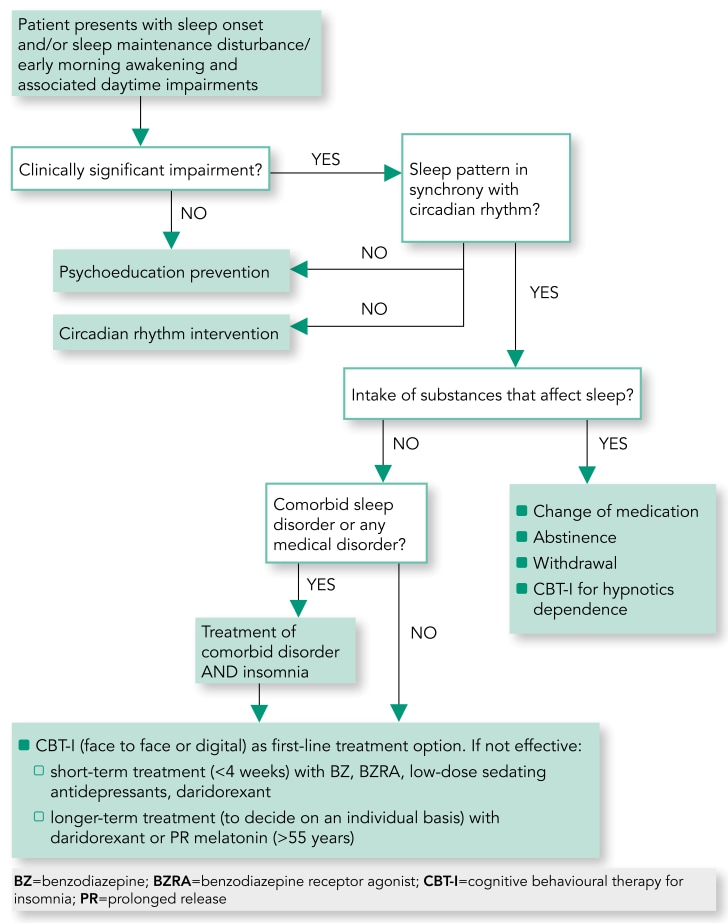
In addition to the strategies outlined above, there are several other techniques that can help you conquer chronic insomnia. These include: cognitive-behavioral therapy for insomnia (CBT-I), a non-pharmacological approach that involves identifying and changing negative sleep habits and thoughts, and relaxation techniques such as deep breathing, progressive muscle relaxation, and mindfulness meditation.
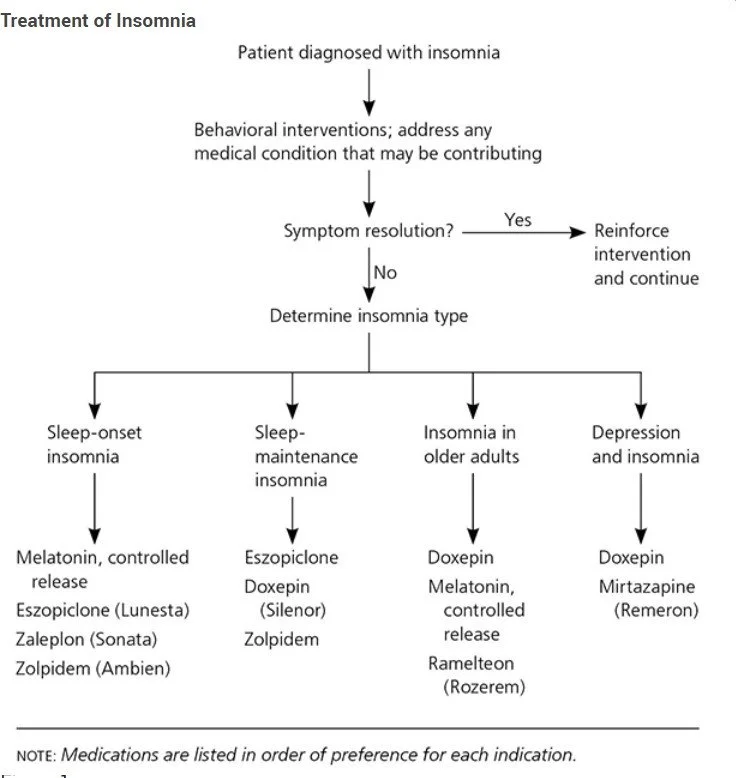
It's also important to note that some medications, such as sleeping pills, can provide temporary relief but may not address the underlying causes of chronic insomnia. Lifestyle changes, such as regular exercise, a balanced diet, and stress management, can also play a crucial role in promoting healthy sleep habits and reducing the risk of chronic insomnia.
Seeking Professional Help
If you're struggling to manage your chronic insomnia on your own, it may be helpful to seek professional help from a healthcare provider or a sleep specialist. They can help you identify the underlying causes of your insomnia, develop a personalized treatment plan, and provide guidance and support throughout the recovery process.
Remember, conquering chronic insomnia takes time, patience, and persistence. By combining the strategies and techniques outlined in this guide with professional help and support, you can overcome this debilitating sleep disorder and achieve a restful and refreshing sleep that will improve your overall health and quality of life.
Frequently Asked Questions
- Q: How long does it take to overcome chronic insomnia?
A: The recovery process can vary from person to person, but with consistent effort and the right strategies, it's possible to see significant improvements in sleep quality within a few weeks to a few months.
- Q: Can chronic insomnia be cured?
A: While there is no cure for chronic insomnia, it is possible to manage the condition and achieve a restful and refreshing sleep with the right treatment plan and lifestyle changes.
- Q: What are the risks of untreated chronic insomnia?
A: Untreated chronic insomnia can increase the risk of accidents, injuries, and chronic diseases such as diabetes, high blood pressure, and cardiovascular disease, and can also impair cognitive function and mental health.
By taking a comprehensive approach to managing chronic insomnia, you can take the first step towards achieving a restful and refreshing sleep that will improve your overall health and quality of life.