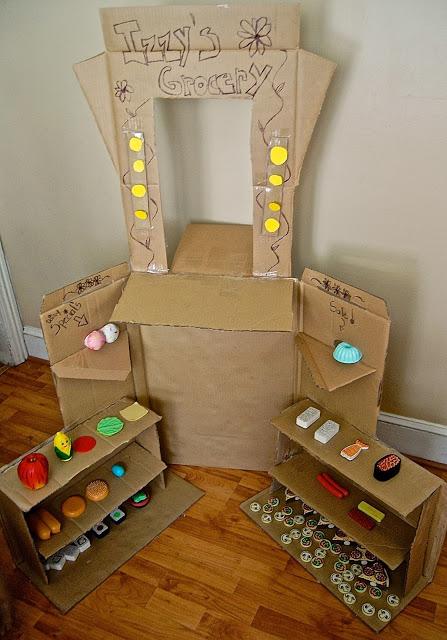
Create a DIY Cardboard Supermarket for Kids—Fun, Educational, and Easy to Build
If you’re looking to spark imagination while keeping the budget low, a DIY Cardboard Supermarket is a fantastic choice. Kids can walk the aisles, “shop” for imaginary groceries, and learn about budgeting and nutrition—all from cardboard boxes you’ve already got at home.
Why Cardboard Works Wonders
Cardboard is lightweight, cheap, and safe. It’s easy to cut, tape, and paint, allowing children to participate in the creation process. Plus, it encourages them to see everyday objects in a new light, turning ordinary boxes into bustling market shelves.
Safety First
Use non-toxic paint, child‑friendly scissors, and avoid sharp edges. When children handle the cardboard, supervise to prevent accidental cuts. The finished supermarket can be stored flat in a closet for quick future play sessions.
Step‑by‑Step: Building the Supermarket
Follow these simple stages to transform your living room into a vibrant shopping hub.
- Gather Materials: Collect cardboard boxes (towels, cereal, pizza boxes work best), a cutting knife or scissors, masking tape, a ruler, and paint or markers.
- Design the Layout: Decide how many aisles you’ll have. A typical supermarket has three or four aisles of 4–5 shelves each. Sketch the plan on paper before cutting.
- Cut & Assemble Shelves: Use a ruler to mark even spaces on the inside of the boxes. Cut out rectangular shelves that fit snugly inside larger boxes. Secure them with tape.
- Paint the Exterior: Give each box a unique color—red for produce, blue for frozen goods, yellow for dairy. Add simple logos or store signs with markers.
- Add Detail: Stick small plastic or paper items as “products” (e.g., fruit shapes, canned goods). Label them with price tags—either write the numbers directly or use cut‑outs.
- Set the Scene: Arrange the shelves into aisles, place a “cash register” made from a small box, and add a child’s name on a “welcome” sign.
Creative Play Ideas
Once the supermarket is built, the real fun begins. Here are several activities to keep children engaged.
- Role‑Playing Shopping: Kids can use play money to “purchase” items. Encourage them to count money, make change, and practice arithmetic.
- Nutrition Education: Label fruit and vegetable sections with health facts. Ask children to choose balanced meals from the aisles.
- Inventory Management: Assign one child the role of manager. They can keep track of which items are out of stock and need restocking, learning basic record keeping.
- Storytelling: Create a storyline where a character needs to buy a surprise for a friend. Kids must navigate aisles and choose items wisely.
Customizing Your Supermarket
Personalization turns a generic box into a beloved playhouse. Consider the following tweaks:
- Seasonal Themes: For holidays, decorate aisles with themed items (e.g., pumpkins for Halloween, ornaments for Christmas).
- Real‑World Brands: Use toy cereal boxes or stickers to mimic actual brands, giving kids a taste of real shopping experiences.
- Multi‑Level Shelving: Stack boxes vertically to create a supermarket with a mezzanine, encouraging kids to climb and explore.
Benefits Beyond Fun
This activity nurtures a range of developmental skills:
- Fine Motor Skills: Cutting, taping, and labeling sharpen hand-eye coordination.
- Language Development: Discussing items, prices, and recipes expands vocabulary.
- Social Skills: Role‑play encourages turn‑taking, negotiation, and empathy.
- Cognitive Growth: Counting, budgeting, and categorizing reinforce mathematical and organizational abilities.
FAQ
What size should the cardboard boxes be?
A good rule of thumb is to use boxes that are at least 12 inches tall for shelves; larger boxes provide a sturdy base for the store.
Can I reuse the supermarket after playtime?
Yes—store it flat in a closet or basement. When ready to play again, simply re‑assemble the shelves and refresh the items.
How can I keep the children’s interest over time?
Rotate the “products” and introduce new categories (e.g., a “farmers’ market” section). Adding a new “cash register” with a different design keeps the setup fresh.
Is this activity safe for toddlers?
Always supervise younger kids, especially during cutting and when they handle small parts. Use child‑friendly scissors and avoid loose small pieces that could be swallowed.
With a few cardboard boxes, a bit of paint, and a dash of creativity, you can craft a supermarket that will keep kids entertained, educated, and engaged for hours. Give your little ones the chance to step into the shoes of a shopkeeper—and watch their confidence and curiosity grow.