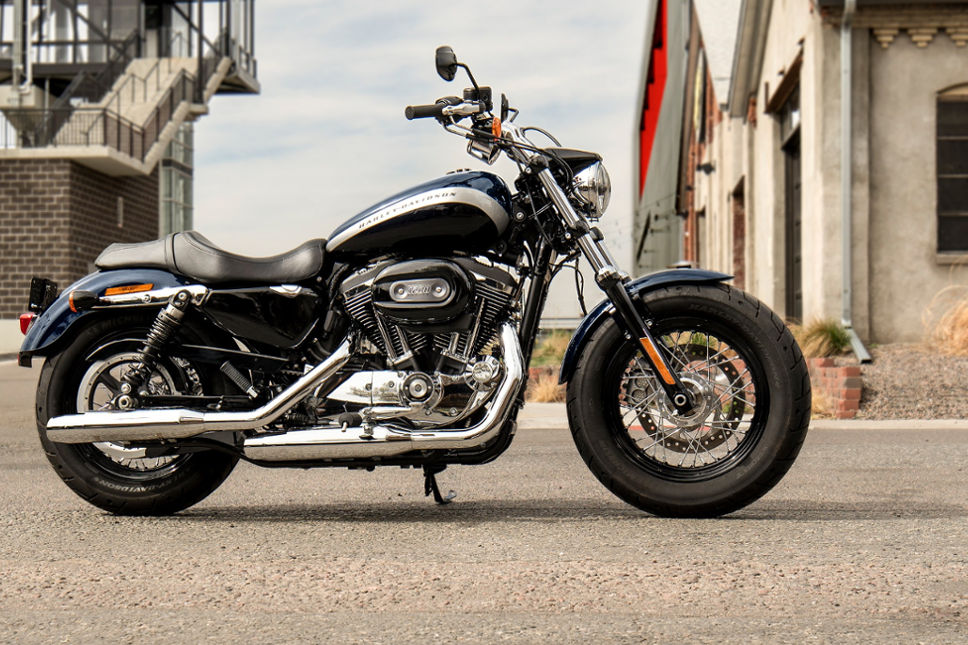
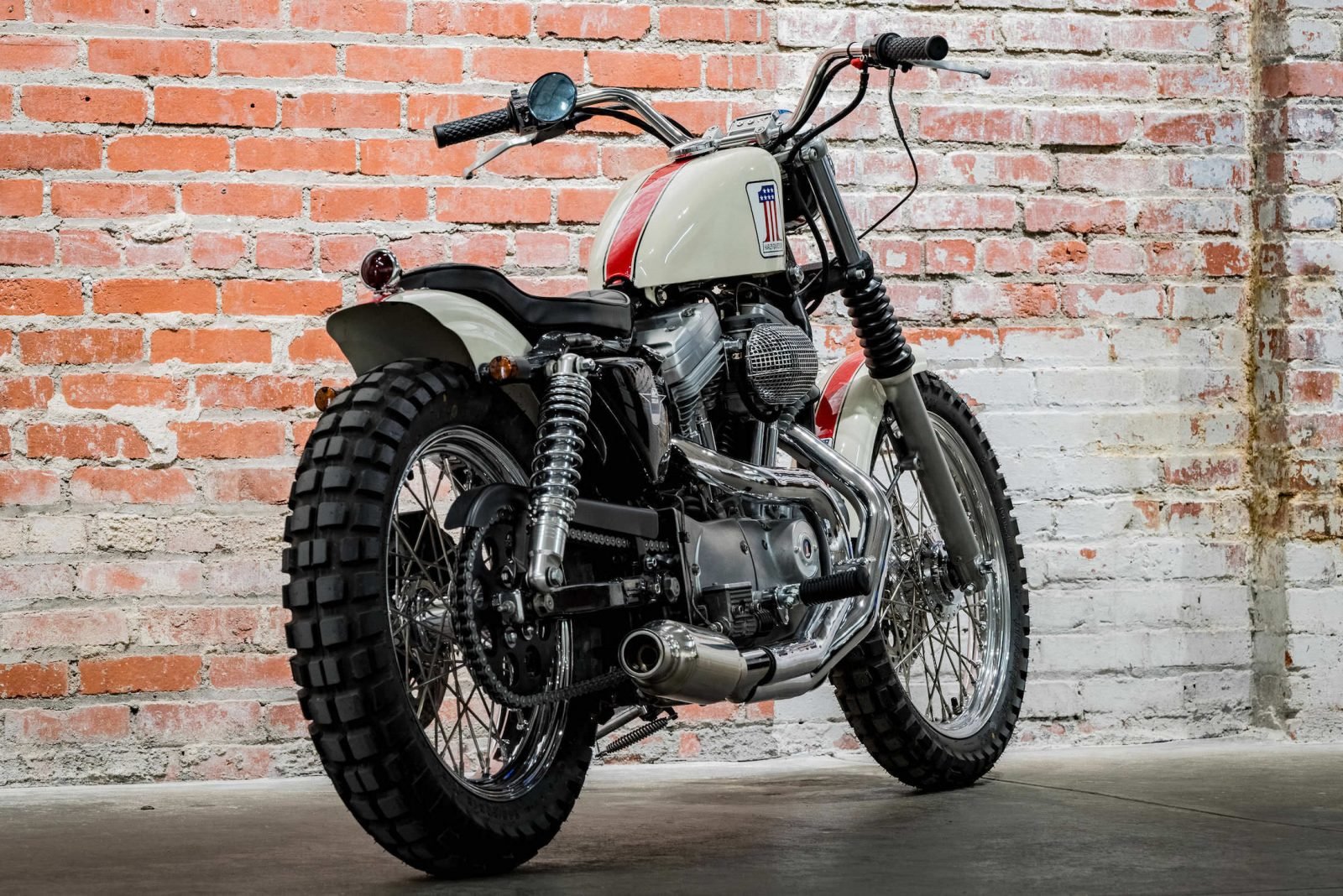
Custom Sportster XL1200: A Second Look
For years, the Harley-Davidson Sportster XL1200 was the undisputed king of the mid-size cruiser market. It was the bike you bought when you wanted the ironhead aesthetic or the air-cooled V-twin soul without stepping into the heavyweight touring class. The 1,202cc Evolution engine offered a smooth, tractable power delivery that felt less like a machine and more like an extension of your own body. But has it aged well? With the introduction of the Sportster S and the Mini Bike line, the XL1200 feels like a relic from a different era. Yet, there’s a quiet, enduring community of riders who refuse to let it go. It’s time to take a second, honest look.
The Vanishing Breed
Harley-Davidson officially phased out the traditional Sportster lineage a few years ago, replacing it with the radical Sportster S featuring its Revolution Max 1250T engine. That move was bold, controversial, and inevitably left a gap. The XL1200 wasn’t just a bike; it was a cultural touchstone. It was the first bike for countless enthusiasts and the forever bike for many others. The "Air-Head" 883 was the lightweight intro, but the 1200 was the real deal. It had enough torque to move you without demanding a tow hitch to get up to highway speeds. In a market now dominated by modern electronics, fuel injection nuances, and race-derived DNA, the XL1200 feels analog in the best possible way. It’s not about what it can’t do; it’s about what it simply does, effortlessly.
Why It Still Turns Heads
There is a specific kind of charisma that comes from riding a machine that no longer exists in its original factory form. The XL1200 platform was essentially Lego for adults. The aftermarket ecosystem is massive. You can slap a set of drag pipes on it, drop the frame, raise the rear, or turn it into a bobber in a weekend. The geometry is forgiving. The weight distribution is decent for its class. Unlike newer bikes that feel engineered within millimeters, the Sportster has a looseness that some riders mistake for cheapness but others recognize as character. When you ride an XL1200 today, you aren’t just riding a motorcycle; you’re participating in a preservation act. You’re keeping a particular slice of Americana alive on two wheels.
Furthermore, the reliability of the Evolution engine, once the teething issues of the late 80s and early 90s were ironed out, became legendary. A well-maintained XL1200 engine can last hundreds of thousands of miles. The carburetor might need a tune-up if you let it sit for a winter, but the mechanical heart is robust. This reliability is a stark contrast to some modern bikes that require diagnostic tools just to change a tire pressure sensor.
The Price of Retro
Here is the catch. Because Harley built the last regular Sportsters years ago, supply is finite. Demand, however, hasn’t cooled. This has led to a surge in prices for clean, low-mileage examples. What used to be a bang-for-buck entry into the Har-David world is now a collector’s item. You have to be careful when shopping. Rust is the enemy. Not just surface rust on the exhaust, but frame rot, especially in the swingarm pivot area and under the engine sump. Electrical gremlins are also common in older units, often traced back to the battery box area or the ignition coil. Buying one now requires more diligence than it did a decade ago. You aren’t just buying a bike; you’re buying a project in potential unless you find a genuine survivor.
Is It Worth the Hype?
It depends entirely on what you are looking for. If you want cutting-edge technology, traction control, cornering ABS, and a gearbox that feels like it was cut from a MotoGP bike, look elsewhere. The Sportster S is vastly superior in almost every measurable performance metric. It’s faster, lighter, and more agile. But it’s also sterile in a way that the XL1200 never is. The XL1200 is noisy. It vibrates. It smells like gasoline and hot rubber. It demands your attention. For the rider who values the tactile experience over the digital one, the XL1200 remains a masterpiece. It’s not a perfect motorbike. It’s a good one, and that’s why it stays relevant.
Final Thoughts
Taking a second look at the Custom Sportster XL1200 reveals a complex picture. It’s a bike that has outlived its manufacturer’s love affair with it, leaving a vacuum that newer models haven’t fully filled in the hearts of loyalists. It’s becoming a classic by default. If you find a solid example, maintain it religiously, and respect its analog nature, it will offer a riding experience that modern machines simply cannot replicate. It’s loud, it’s simple, and it’s undeniably cool. In a world of increasing complexity, that simplicity is its greatest strength.
Frequently Asked Questions
Can I upgrade the engine on an XL1200?
Yes, the aftermarket for XL1200 engine upgrades is extensive. You can swap in a Big Twin Evolution case with a 44 cubic inch head, or go fully big with a Fat Boy engine or aftermarket kits like S&S or Ironhead conversions. The frame is generally strong enough to handle increased power, but you may need to upgrade the suspension and brakes to match the new dynamics.
How does the XL1200 compare to the Sportster S?
The Sportster S is significantly faster, lighter, and equipped with modern electronics like traction control and IMU-based ABS. It has a 1250cc liquid-cooled engine compared to the XL1200’s 1200cc air-cooled V-twin. However, the XL1200 offers a more traditional Harley feel, lower maintenance complexity (no coolant systems), and a distinct aesthetic that appeals to classic enthusiasts.
What are common problems with older XL1200 models?
Common issues include rear spring failure on models from 2004-2006, rust in the frame and swingarm, electrical issues due to poor grounding or battery box contact, and carburetor clogs if the bike has sat for extended periods. Regular maintenance of the air cleaner and oil system is crucial for longevity.
Is it worth buying a used XL1200 now?
If you can find a well-maintained example at a fair price, yes. They are becoming collectibles. However, be prepared to invest in immediate maintenance items like brakes, tires, and potentially carburetor work. Avoid bikes with significant rust or evidence of poor maintenance history, as repairs can quickly exceed the bike's value.