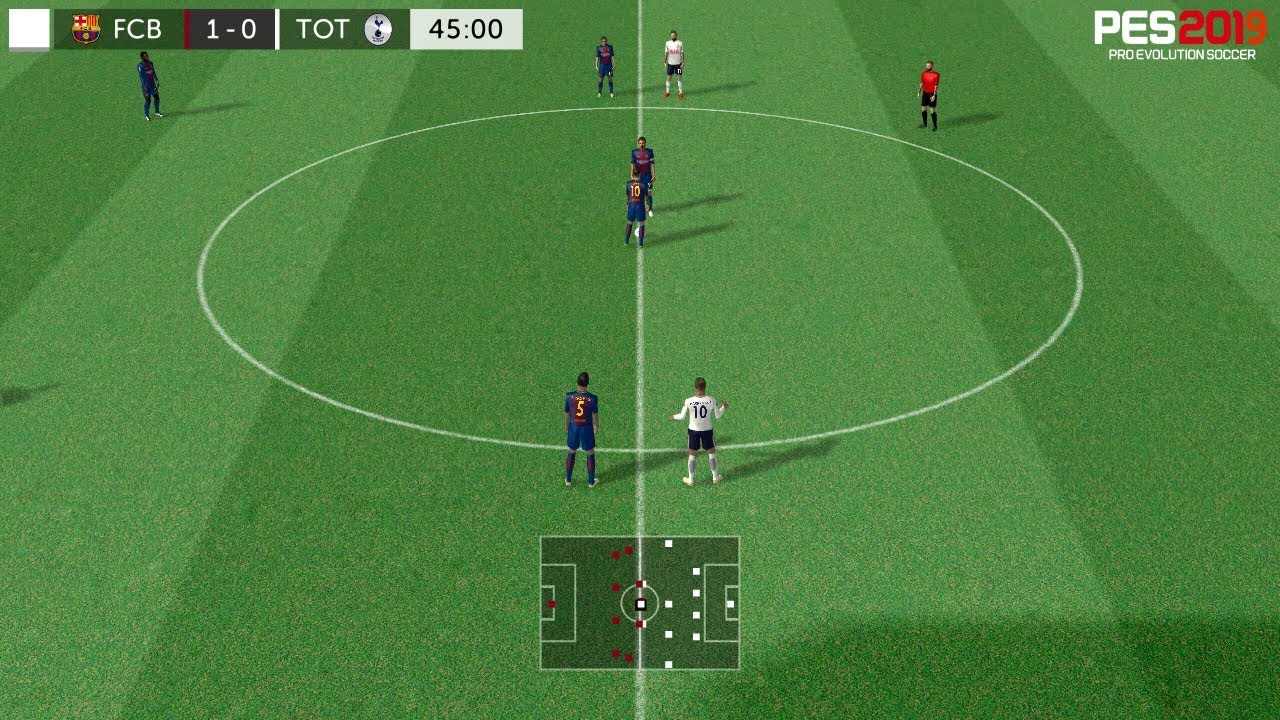
How to Play PES 2013 on Android: A Simple Guide
Pro Evolution Soccer 2013 (PES 2013) may feel like a relic from the console era, yet many fans still crave the classic experience on their phones. The good news is that with a few straightforward steps you can bring the full‑featured game to almost any modern Android device. Below is a practical walk‑through that balances the technical bits with a few gameplay pointers.
Why Try PES 2013 on a Smartphone?
The game’s realistic physics and well‑tuned AI still hold up, especially for players who appreciate a more tactical approach over the flashier, arcade‑style titles that dominate the market today. Moreover, the smaller screen forces you to rely on intuition and smart positioning—skills that translate nicely to real‑world football.
Getting the Game onto Your Device
Check System Requirements First
- Android 4.0 or higher (most devices from 2015 onward qualify).
- At least 1 GB of RAM for smooth frame rates.
- Free storage of roughly 800 MB for the APK and game data.
If your phone meets these basics, you’re ready to proceed.
Downloading the APK Safely
While the official Google Play Store no longer hosts PES 2013, reliable third‑party repositories still offer the original APK. Look for sites that provide cryptographic hashes (MD5 or SHA‑256) so you can verify the file’s integrity.
Once you’ve found a trustworthy source:
- Enable “Unknown sources” in Settings → Security (or Settings → Apps → Install unknown apps for newer Android versions).
- Download the APK directly to your device or transfer it via USB.
- Tap the file to launch the installer and follow the on‑screen prompts.
After installation, launch PES 2013 from your app drawer. The first run may ask for permission to access storage—grant it so the game can save replays and custom teams.
Configuring Controls for Touch Screens
The original console controller layout doesn’t map perfectly to a touchscreen, but PES 2013 includes a built‑in control editor. Here’s a quick setup:
- Open Settings → Controls and choose “Touch” as the input mode.
- Drag the on‑screen buttons to corners where your thumbs can rest comfortably.
- Assign a “quick pass” to a single‑tap zone and a “through ball” to a double‑tap gesture—this mirrors the console’s button combos.
- Test the layout in a practice match; adjust the size of the directional pad if you notice any lag.
Some players prefer attaching a Bluetooth gamepad for a more authentic feel. Most modern controllers pair effortlessly via Bluetooth, and PES 2013 will automatically detect them as “Gamepad” inputs.
Optimizing Performance on Mobile Hardware
Even if your spec sheet looks decent, the game’s engine can still be a bit greedy. A few tweaks can make the difference between choppy gameplay and buttery smoothness.
- Graphics Settings: Lower the resolution to 720p and disable anti‑aliasing. You’ll still enjoy crisp player models without taxing the GPU.
- Frame Rate: Set the FPS cap to 30 fps—this reduces power consumption and stabilizes the experience on mid‑range devices.
- Background Apps: Close unnecessary apps before you start playing. Free RAM helps the game keep its textures in memory.
- Battery Mode: If you’re on the go, switch to “Performance” mode in your phone’s battery settings; many manufacturers include a toggle that favors speed over power saving.
Not all devices will react the same way, so feel free to experiment until you hit that sweet spot.
Gameplay Tips to Make the Most of PES 2013
Once the technical side is sorted, the real fun begins. Here are a few strategic pointers that work especially well on a smaller screen.
- Master the “One‑Touch” Pass: A quick tap on the pass button sends the ball instantly, letting you keep momentum and avoid defensive pressure.
- Use the “Skill Move” Slider: Dragging your finger upward while sprinting triggers a subtle feint that can throw a defender off balance without a full‑blown trick.
- Adjust Formation on the Fly: Tap the formation icon during a match to switch from a 4‑4‑2 to a more attacking 4‑3‑3 without pausing the game.
- Take Advantage of Set Pieces: Long‑range free kicks are easier to control via the on‑screen aiming circle; aim slightly left of the goalkeeper for a higher chance of a header.
These nuances may take a couple of matches to feel natural, but they’ll give you an edge over opponents who stick to the default settings.
Common Pitfalls and How to Avoid Them
Even seasoned gamers hit snags when transitioning a console classic to mobile. Keep an eye out for these issues:
- Crashing on Launch: Usually a sign of an incomplete installation. Re‑download the APK and verify the hash again.
- Touch Lag: Often caused by high graphic settings. Drop the resolution or turn off shadows.
- Audio Desync: Restart the game after adjusting volume levels in the Android system settings.
Most problems resolve with a quick settings tweak, so don’t panic if the first playthrough feels a bit off.
Wrapping Up the Experience
Playing PES 2013 on Android blends nostalgia with portability—a combo that’s hard to beat. With the steps outlined above, you should be able to install, configure, and enjoy the game without too many headaches. Feel free to experiment with control layouts or graphics tweaks; the best setup is the one that feels most comfortable in your hands.