Decoding Roman Numerals: XXV, XXVIII, and XXIX Explained
What a Roman Numeral Really Is
Roman numerals are a system of letters that stand for numbers, invented long before the Arabic digits we use today. The symbols I, V, X, L, C, D, and M combine in a few simple rules to form any value.
Core Rules in a Nutshell
- Additive principle: Write symbols from largest to smallest and add them (e.g., XVI = 10 + 5 + 1 = 16).
- Subtractive principle: Place a smaller symbol before a larger one to subtract (IV = 5 − 1 = 4).
- Only specific pairs subtract: I before V or X, X before L or C, C before D or M.
Breaking Down the Three Numerals
XXV – How 25 Takes Shape
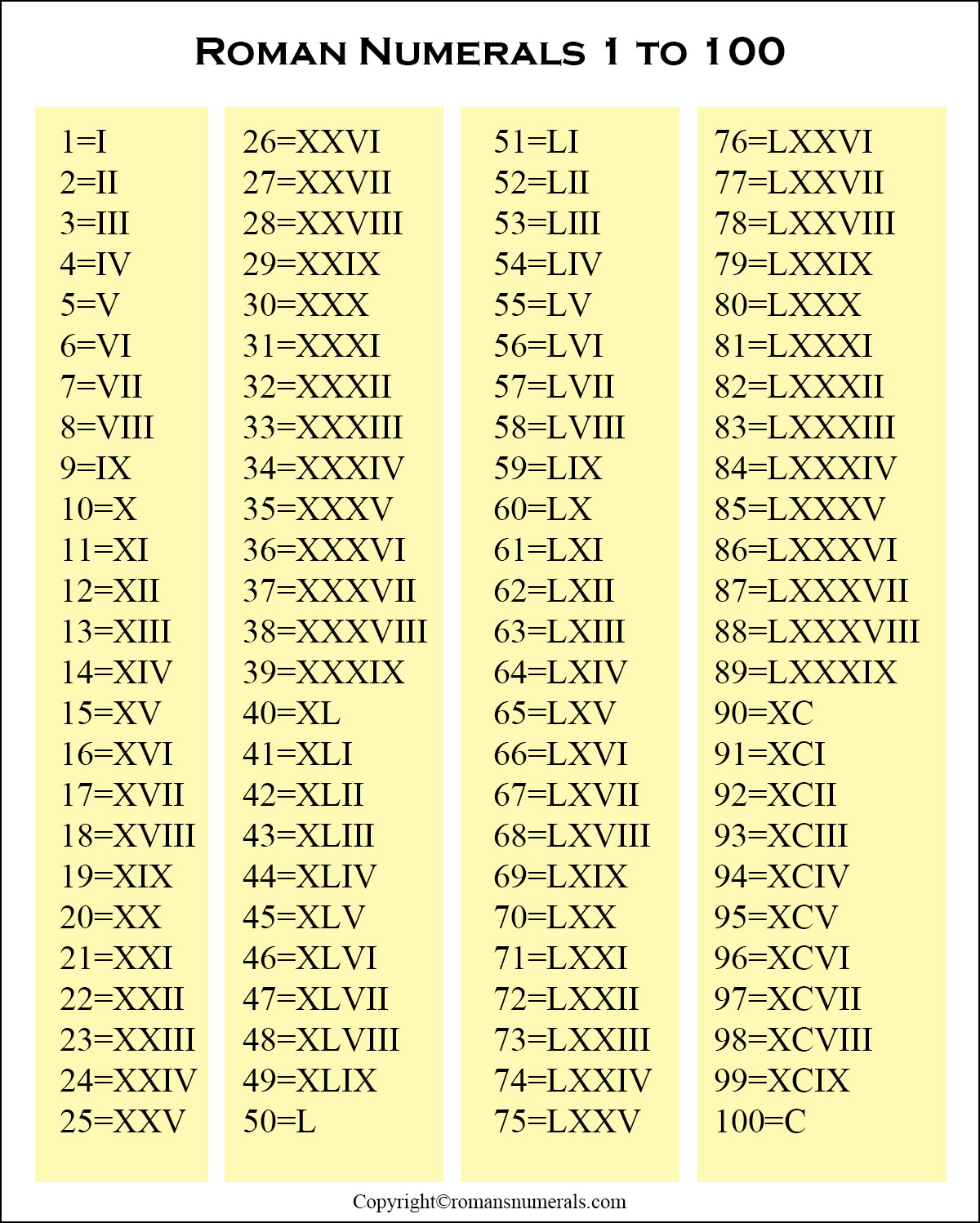
XXV reads as X + X + V. Two tens plus a five give you twenty‑five. No subtraction needed, just straight addition.
XXVIII – The Little Twist for 28
Start with the same X + X for twenty, then add V for five, and finish with III for three. The result: 20 + 5 + 3 = 28.
XXIX – Subtraction in Action for 29
Here the pattern changes. Write X + X (20), then IX. The I before X signals “one less than ten,” so IX equals 9. Together they total 29.
Why Some Numbers Feel More Complex
Whenever a numeral uses the subtractive rule, the eye has to do a quick mental flip. That’s why XXIX looks a bit more mysterious than XXVIII, even though the underlying math is the same.
Quick Reference Guide
- XXV = 25
- XXVIII = 28
- XXIX = 29
Tips for Reading Roman Numerals on the Fly
Scan left to right. If a smaller symbol precedes a larger one, subtract; otherwise, add. Practice with common clusters—IV, IX, XL, XC, CD, CM—and the rest falls into place.