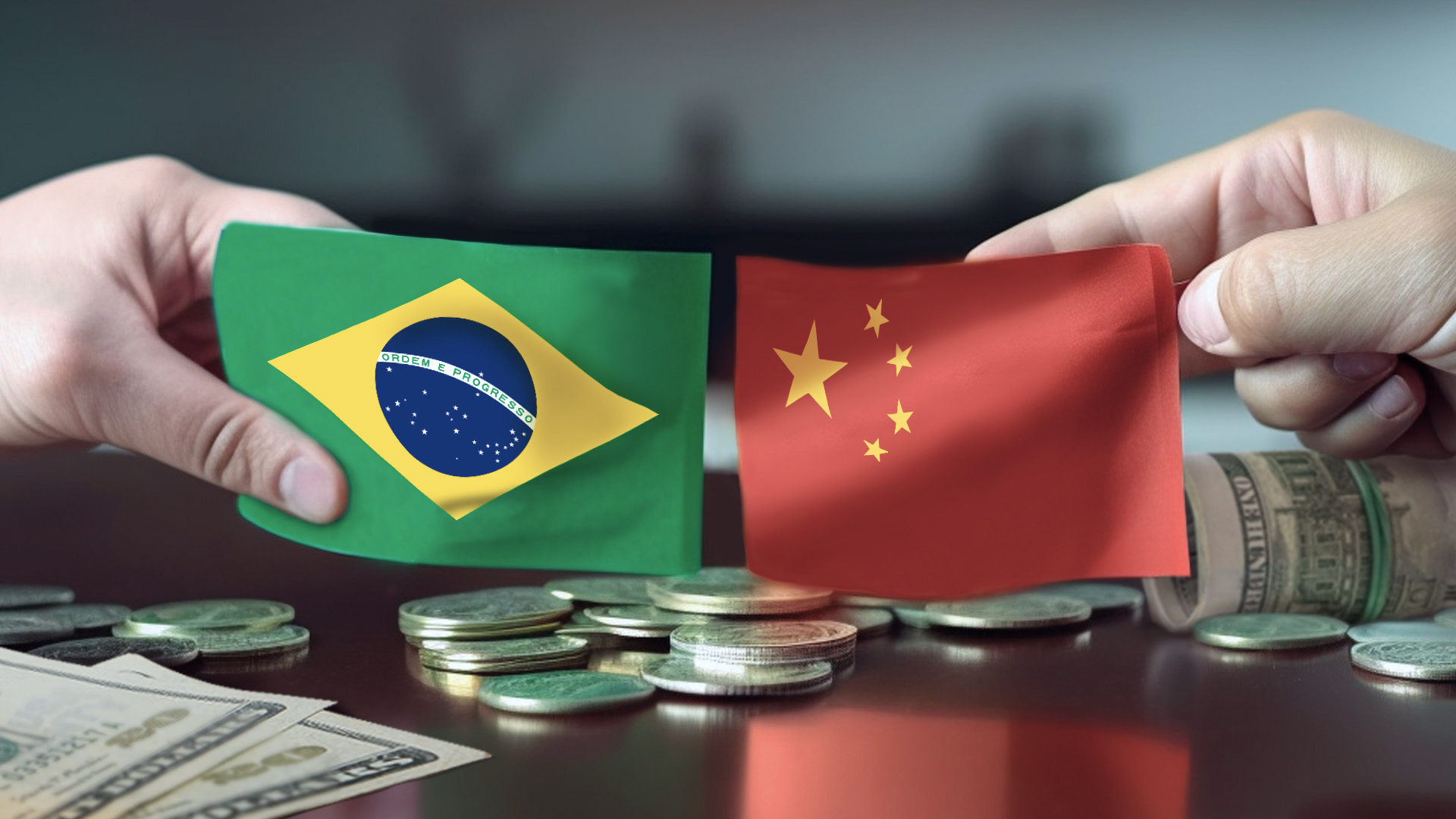
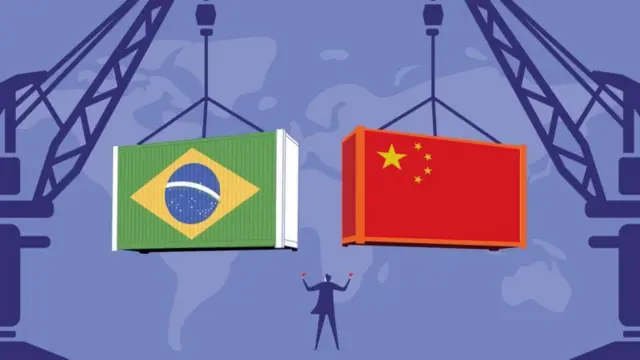
Decoding The Brazil-China Currency Swap Deal
When headlines flash about a massive financial accord between two economic giants, it’s easy to get caught up in the sheer size of the numbers. The recent extension and expansion of the currency swap agreement between Brazil and China is exactly that kind of story. It sounds static, bureaucratic, and perhaps a little dry if you aren’t glued to Bloomberg terminals every morning. But dig beneath the surface, and you’ll find a dynamic tool that reshapes how two of the world’s most important economies trade, invest, and navigate global instability.
This isn’t just about swapping dollars for yuan or reais; it’s about strategic autonomy. In a world where the US dollar dominates international finance, this agreement offers a lifeline. It provides a buffer against geopolitical shocks, reduces transaction costs, and allows both nations to conduct commerce with greater independence. For businesses, investors, and policymakers, understanding the mechanics and implications of the Brazil-China currency swap is no longer optional—it’s essential.
Why Currency Swaps Matter More Than Ever
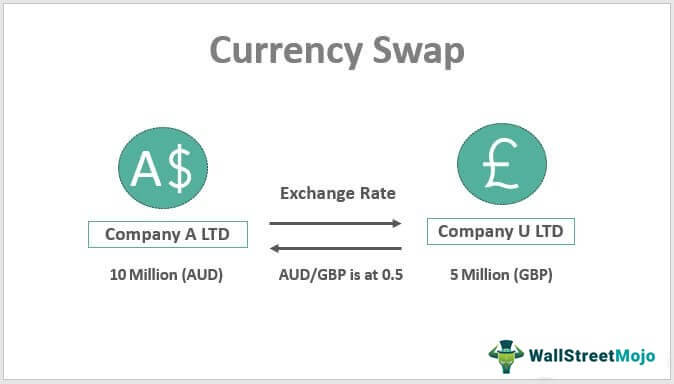
To grasp the significance of the Brazil-China deal, we first need to strip away the jargon. At its core, a currency swap is a line of credit denominated in foreign currency. In this case, Brazil can access Chinese yuan, and China can access Brazilian reais, up to a certain limit. It’s like a mutual insurance policy against currency shortages.
Historically, most international trade was invoiced and settled in US dollars. This created a vulnerability. If the dollar strengthened significantly, it became more expensive for emerging markets to import goods. Conversely, if there was a global liquidity crunch, accessing dollar credits could become impossible or prohibitively expensive. The Brazil-China swap bypasses the dollar entirely.
This mechanism serves several critical functions:
- Liquidity Support: It ensures that banks and trading partners have access to the necessary currencies to settle transactions without relying on the foreign exchange market’s volatility.
- Trade Facilitation: By allowing trade to be invoiced in local currencies, it reduces the risk for exporters and importers who no longer need to hedge against dollar fluctuations.
- Geopolitical Leverage: For China, it promotes the internationalization of the yuan. For Brazil, it diversifies its financial relationships, reducing dependence on Western financial systems.
The latest agreement, which has seen its value increase significantly over the past decade, underscores a long-term strategic commitment. It is not a casual handshake but a structural element of both nations’ economic foreign policy.
The Economic Context: Why Brazil and China?
The relationship between Brazil and China is unique. China is consistently Brazil’s largest trading partner, primarily importing agricultural commodities like soybeans, iron ore, and beef, while exporting manufactured goods, electronics, and machinery. The volume of trade is enormous, often surpassing hundreds of billions of dollars annually.
In such a high-volume relationship, friction matters. Every cent saved on hedging costs or exchange rate spreads adds up. By using the currency swap facility, Brazilian exporters can accept yuan payments directly. They can then convert these yuan into reais through local Chinese banks in Brazil, or use them to pay for Chinese imports. This circular flow of money stays within the Brazil-China financial ecosystem, minimizing exposure to third-party currencies.
Moreover, this arrangement aligns with China’s broader goal of de-dollarization. While the yuan is not yet a full reserve currency on the same level as the dollar or euro, expanding its use in bilateral trade increments slowly builds its global footprint. For Brazil, whose economy has historically suffered from currency volatility and sovereign debt crises, having direct access to yuan provides a stabilizing force. It acts as a shock absorber during times of global market turbulence.
Challenges and Realities on the Ground
Despite the strategic brilliance on paper, the reality is more nuanced. The currency swap does not automatically mean that every cross-border transaction between the two countries happens in real and yuan. The US dollar remains entrenched in global supply chains and banking systems.
One major hurdle is liquidity. While the swap line is large, the actual circulation of yuan in Brazil is limited compared to the dollar. Fewer Brazilian companies have the infrastructure to manage yuan accounts, and hedging instruments for the real-yuan pair are less developed than those for the real-dollar pair. This means that while the option exists, the convenience of the dollar often wins out.
Additionally, regulatory frameworks play a role. Both central banks—the Central Bank of Brazil (BCB) and the People’s Bank of China (PBOC)—must coordinate closely to ensure smooth operations. Any misalignment in monetary policy can complicate the usage of the swap line. For instance, if China tightens its monetary policy while Brazil eases it, the flow of funds might become uneven.
Nevertheless, the trend is moving toward greater utilization. Recent increases in the swap value signal confidence from both sides that the infrastructure will catch up with the ambition. We are seeing more local banks offering yuan accounts, and more importers willing to negotiate in local currencies to lock in better rates.
What This Means for Investors and Businesses
For investors, the Brazil-China currency swap is a signal of stability. It suggests that both nations are committed to maintaining robust trade flows regardless of external financial pressures. This can have positive implications for sectors heavily reliant on trade, such as agriculture, mining, and manufacturing.
For businesses operating in either market, the advice is to stay informed. If you are exporting to China or importing from there, ask your bank about the possibility of invoicing in local currencies. The swap line provides the backing, but you have to take the first step. Monitoring central bank announcements is also crucial. Changes in the swap limits or usage terms can indicate shifts in economic strategy that may affect exchange rates.
Ultimately, this agreement is a testament to the evolving global financial order. It’s not about replacing the dollar overnight, but about creating alternatives. For Brazil and China, it’s about securing a future where their economic ties are resilient, efficient, and truly independent.
Frequently Asked Questions
Who can access the Brazil-China currency swap?
The swap is primarily between the Central Bank of Brazil and the People’s Bank of China. However, commercial banks and large corporations can access these funds indirectly through authorized financial institutions that draw from the central bank swap line.
Does this mean the dollar will disappear from Brazil?
Not anytime soon. The US dollar remains the dominant currency for trade and reserves in Brazil. The swap line is a complementary tool, not a replacement, designed to provide options and reduce dependency rather than eliminate the dollar entirely.
How does this benefit the average Brazilian consumer?
Indirectly, by stabilizing trade and import costs. If companies face lower exchange rate risks and transaction costs, those savings can potentially be passed on to consumers in the form of more stable prices for imported goods.
Is the yuan becoming a reserve currency?
Yes, gradually. While it is still far behind the dollar and euro, initiatives like the Brazil-China swap line are part of China’s broader strategy to internationalize the yuan and increase its role in global reserves and trade settlement.