How to Land a Portfolio Project Management Job: A Career Guide
If you’ve ever felt torn between overseeing individual projects and steering an entire suite of initiatives, a portfolio project management role might be your next big move. Portfolio project management jobs blend strategic oversight with hands‑on execution, demanding a mix of big‑picture thinking and detail‑driven leadership. This guide walks you through what the role entails, the skills that set candidates apart, and practical steps to boost your chances of getting hired.
Understanding Portfolio Project Management
At its core, portfolio project management is about aligning a collection of projects with an organization’s strategic goals. Unlike a single‑project manager who focuses on scope, schedule, and budget for one effort, a portfolio manager evaluates the health, risk, and ROI of multiple projects simultaneously. The aim is to allocate resources wisely, prioritize initiatives that drive the most value, and ensure that the portfolio as a whole stays on track.
Typical Roles and Responsibilities
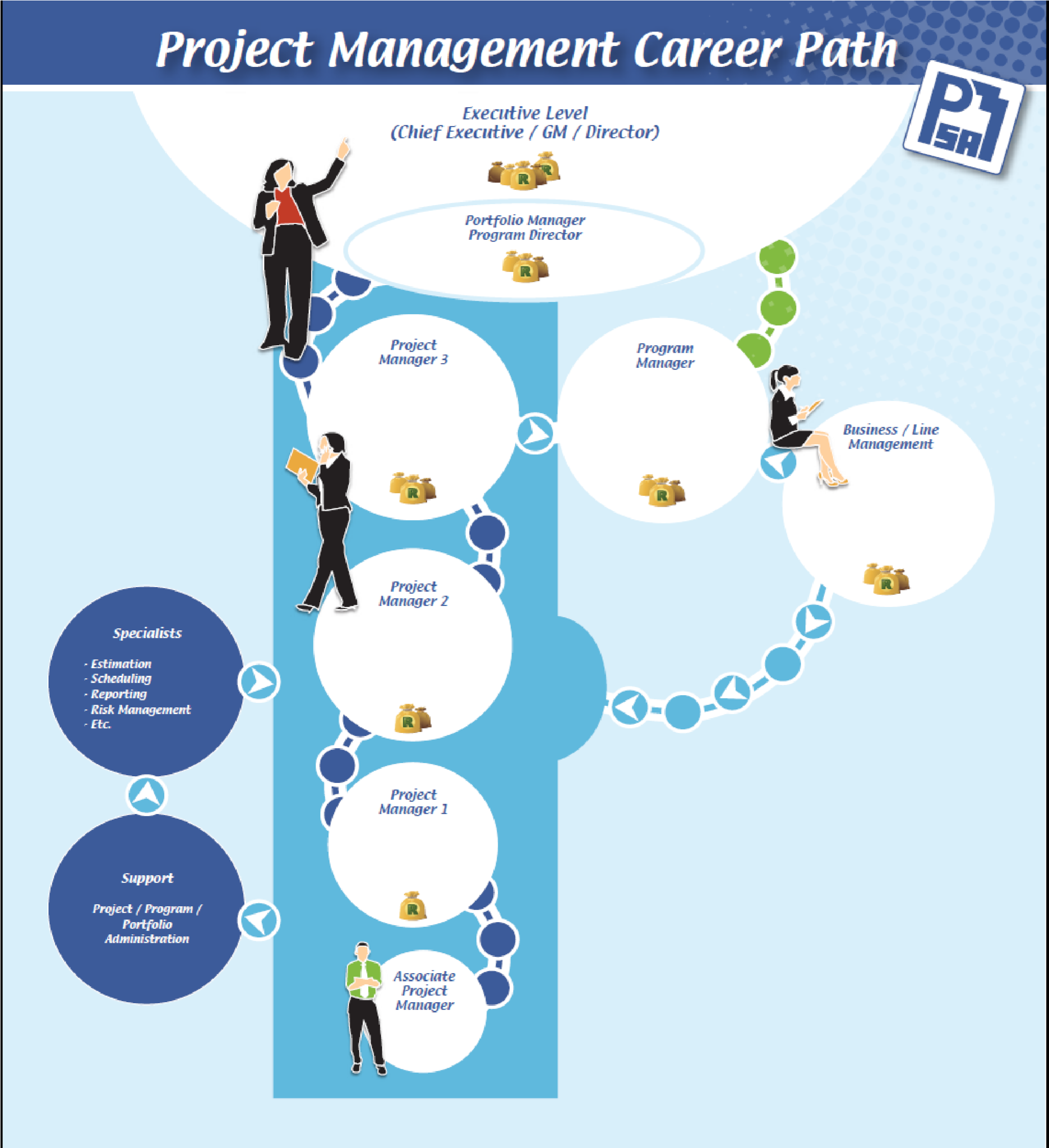
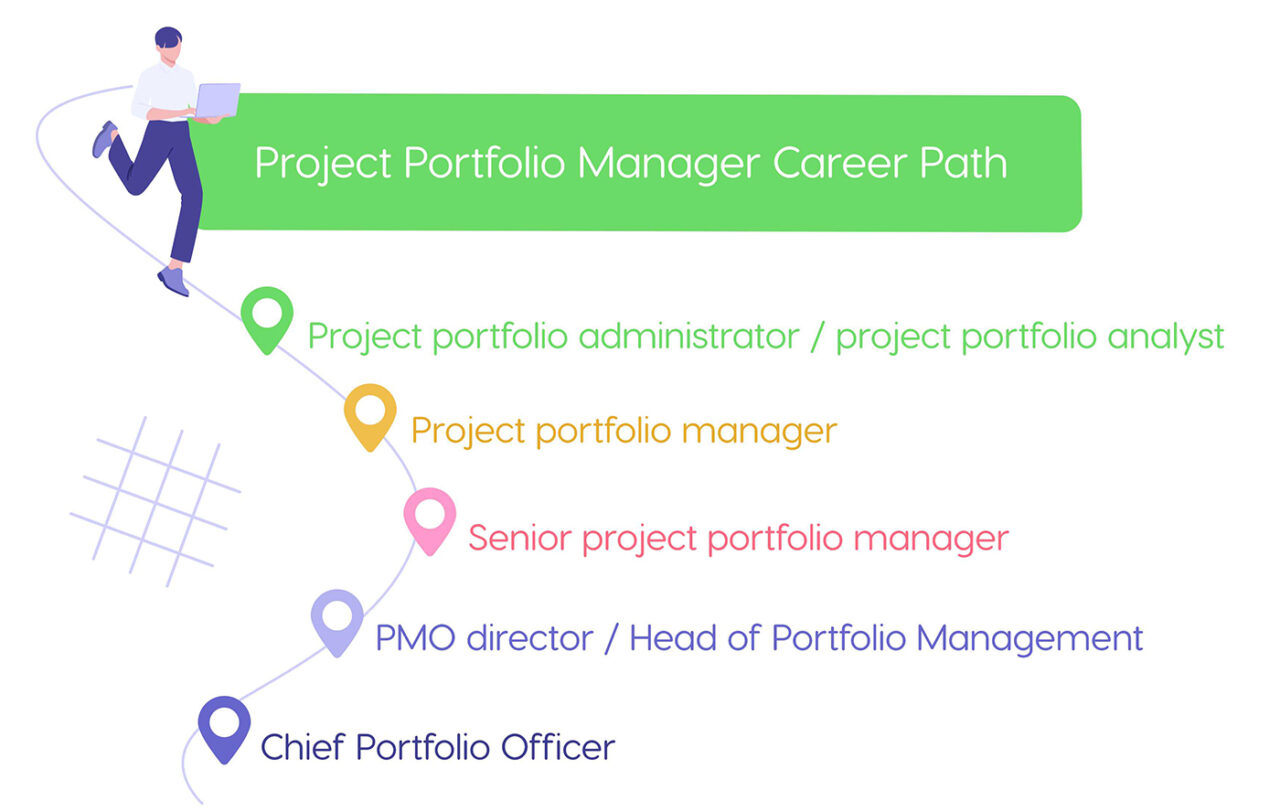
While job titles vary—Portfolio PM, Program Director, or Strategic Portfolio Manager—the day‑to‑day duties share several common threads:
- Assessing project proposals and deciding which ones move forward.
- Balancing resource constraints across competing initiatives.
- Monitoring performance metrics such as cost variance, schedule adherence, and strategic alignment.
- Communicating portfolio health to senior leadership through dashboards and reports.
- Identifying and mitigating portfolio‑level risks before they cascade into individual projects.
These responsibilities demand both analytical rigor and strong interpersonal skills, as you’ll be the bridge between executives, project teams, and external stakeholders.
Key Skills and Certifications
Employers look for a blend of technical know‑how and soft‑skill fluency. Below are the most frequently cited qualifications:
- Strategic planning – the ability to translate corporate objectives into actionable project selections.
- Financial acumen – comfort with budgeting, cost‑benefit analysis, and ROI calculations.
- Risk management – experience using frameworks like PMBOK or ISO 31000 to flag and address threats.
- Leadership and influence – persuading senior leaders to back certain projects without direct authority.
- Data visualization – proficiency with tools such as Power BI, Tableau, or advanced Excel for clear reporting.
Certifications can signal mastery. The PfMP (Portfolio Management Professional) from PMI is the gold standard, but many hiring managers also value a PMP, PgMP, or a Certified ScrumMaster when the organization leans agile.
Building a Competitive Portfolio
A strong portfolio isn’t just a list of projects; it’s a narrative that showcases impact. Here’s how to craft one that stands out:
- Quantify outcomes. Replace vague phrases with numbers—“Reduced time‑to‑market by 15 % across three product lines” carries more weight than “Improved delivery speed.”
- Highlight strategic alignment. For each project, briefly note how it supported a larger business goal, such as “aligned with the 2025 digital transformation roadmap.”
- Showcase governance experience. Mention any portfolio‑level boards you’ve sat on, reporting structures you’ve built, or decision‑making frameworks you introduced.
- Include cross‑functional collaboration. Emphasize work with finance, marketing, and engineering teams, illustrating your ability to break down silos.
When you’re ready to share your portfolio, use a clean, one‑page PDF or a dynamic online showcase. Keep the layout simple: project title, brief description, key metrics, and strategic relevance.
Job Search Strategies for Portfolio PM Positions
Finding the right opening often requires a mix of proactive networking and targeted applications. Consider these tactics:
- Leverage LinkedIn. Follow companies known for large‑scale initiatives—technology firms, healthcare conglomerates, and government agencies. Engage with their content and reach out to current portfolio managers for informational chats.
- Attend industry events. Conferences like PMI Global Conference or local PMI Chapter meetups are fertile ground for meeting decision‑makers who control hiring budgets.
- Tailor every résumé. Mirror the language from the job posting, especially keywords like “strategic alignment” or “resource optimization.” Use the quantified portfolio examples you prepared.
- Consider contract roles. Short‑term portfolio oversight projects can serve as a foot‑in‑the‑door, often converting to permanent positions once you’ve demonstrated value.
- Utilize niche job boards. Sites such as ProjectManagement.com or Dice frequently list senior portfolio roles that don’t appear on mainstream boards.
Don’t underestimate the power of a well‑crafted cover letter. Rather than rehashing your résumé, tell a concise story about a time you reshaped a portfolio to unlock new revenue streams—this is the kind of narrative hiring managers love.
FAQ
What’s the difference between a program manager and a portfolio manager?
A program manager oversees a group of related projects that together deliver a specific benefit, while a portfolio manager looks at a broader collection of programs and projects, making decisions based on overall strategic fit and resource constraints.
Do I need a PfMP certification to get a portfolio management job?
It isn’t mandatory, but a PfMP often gives you a competitive edge, especially for senior roles. If you’re early in your career, a PMP combined with strong project experience can also open doors.
How many years of experience are typical for entry‑level portfolio positions?
Most organizations expect at least five years of project or program management experience, plus a track record of influencing strategic decisions across multiple initiatives.
Can I transition into portfolio management from a functional role like finance?
Yes—especially if you’ve been involved in budgeting, forecasting, or financial analysis for projects. Highlight those cross‑functional experiences and consider supplementing them with a project‑management certification.
Stepping into a portfolio project management job is less about ticking boxes and more about demonstrating strategic foresight, financial savvy, and the knack for guiding diverse teams toward shared goals. By sharpening the right skills, curating a results‑focused portfolio, and networking strategically, you’ll position yourself as the kind of leader companies are eager to bring on board.