Decoding the IIProcess Quality Engineer: Role, Impact & Reality
What Exactly Is an In-Process Quality Engineer?
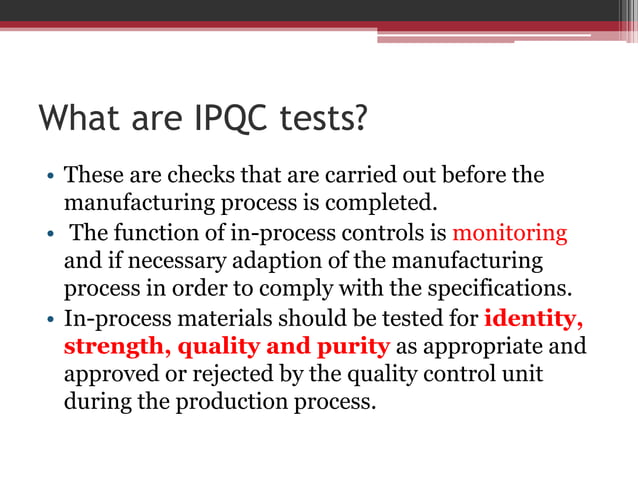
When you hear the title "In-Process Quality Engineer" (often abbreviated as IQE or IPQE), it’s easy to assume the job is simply about inspecting finished goods before they ship. That’s a common misconception. In reality, this role is much more dynamic, proactive, and deeply embedded in the manufacturing heartbeat. The IQE is the guardian of quality while the product is being made, not just at the finish line.
Think of it this way: a final quality inspector checks the dessert after it’s baked. The In-Process Quality Engineer ensures the oven temperature, the mixing ratio, and the baking time are correct throughout the entire process. If something goes wrong, they catch it before the batch is ruined, saving time, materials, and reputation. It’s a role that bridges the gap between static quality control and the fluid reality of production lines.
The Core Mission: Prevention Over Detection
The primary goal of an In-Process Quality Engineer is prevention. While final inspection is reactive, in-process quality is proactive. These engineers work directly on the shop floor, interacting with machinery, operators, and data streams in real-time. They monitor critical process parameters (CPPs) and critical quality attributes (CQAs) to ensure the manufacturing process remains stable and capable.
By focusing on the process rather than the product alone, IPQEs can identify trends before they become defects. For instance, if a CNC machine begins to show slight variations in tolerance, the engineer can adjust settings or schedule maintenance before any parts go out of spec. This approach reduces scrap rates, minimizes rework, and keeps production running smoothly. It’s a shift from "finding the bad parts" to "making sure the machine can’t produce bad parts."
Day-to-Day Responsibilities
The daily life of an In-Process Quality Engineer is rarely dull. It involves a mix of technical analysis, field work, and collaborative problem-solving. Here’s a breakdown of what their work typically entails:
- Process Monitoring and Auditing: Regularly walking the floor to verify that standard operating procedures (SOPs) are being followed. This includes checking if operators are using the right tools, following safety protocols, and adhering to quality standards.
- Statistical Process Control (SPC):strong> Analyzing real-time data to detect variations. They use control charts, histograms, and other statistical tools to determine if a process is "in control" or if special cause variation is present. This data-driven approach allows for objective decision-making rather than gut feelings.
- Root Cause Analysis: When an issue arises, the IPQ doesn’t just fix the symptom. They dig deeper using methodologies like Six Sigma, 5 Whys, or Fishbone diagrams to find the underlying cause. Is it a machine wear issue? A raw material problem? A human error? Identifying the root cause prevents recurrence.
- First Article Inspections (FAI): For new products or processes, the engineer oversees the initial production runs. They verify that the first few units meet all design and quality specifications before full-scale production begins. This is a critical checkpoint to catch major issues early.
- Corrective and Preventive Actions (CAPA): Developing and implementing systems to prevent future defects. This might involve updating work instructions, retraining staff, or modifying machine settings. The goal is continuous improvement, ensuring that problems don’t happen twice.
The Human Element of Quality
Technology plays a huge role in modern manufacturing, but the In-Process Quality Engineer is also a people person. They work closely with production operators, maintenance teams, and process engineers. Building trust with the shop floor is essential. If operators feel that quality engineers are there just to police them, cooperation breaks down. Successful IPQEs frame their role as partners who help the production team succeed by reducing waste and preventing downtime. They translate technical quality requirements into practical, understandable terms for operators, fostering a culture of quality ownership.
Key Skills for Success
Becoming an effective In-Process Quality Engineer requires a blend of technical, analytical, and soft skills. Here are some of the most important competencies:
- Statistical Analysis: Proficiency in statistical methods, control charts, and capability indices (like Cpk/Ppk) is crucial. Understanding how to interpret data trends and distinguish between common cause and special cause variation is non-negotiable.
- Problem-Solving Methodologies: Familiarity with Six Sigma, Lean Manufacturing, and 8D problem-solving frameworks. These tools provide structured approaches to tackling complex quality issues.
- Knowledge of Manufacturing Processes: Understanding the specific technologies used in their industry, whether it’s injection molding, CNC machining, assembly, or pharmaceutical manufacturing. A deep understanding of the process helps in identifying potential failure points.
- Attention to Detail: Spotting subtle anomalies in data or operations that might indicate a developing problem. A keen eye for detail prevents small issues from becoming major defects.
- Communication Skills: The ability to communicate complex technical issues clearly to different audiences, from shop floor operators to senior management. Strong interpersonal skills help in building collaborative relationships and driving change.
Why the Role Matters More Than Ever
In today’s competitive manufacturing landscape, quality is not just a regulatory requirement; it’s a strategic advantage. Customers expect higher levels of consistency and reliability, and regulations are becoming increasingly stringent. The In-Process Quality Engineer plays a pivotal role in meeting these expectations.
In industries like aerospace, medical devices, and automotive, defects can have life-critical consequences. The IPQ ensures that every component meets rigorous safety and performance standards. In high-volume consumer goods manufacturing, quality directly impacts brand reputation and customer loyalty. A single defect can lead to recalls, warranty claims, and lost sales. By catching issues early, IPQEs protect the brand and the bottom line.
Furthermore, the role supports continuous improvement initiatives. By providing data and insights into process performance, In-Process Quality Engineers help organizations identify opportunities for efficiency gains, cost reductions, and innovation. Their work transforms quality from a cost center into a value driver.
Conclusion
The In-Process Quality Engineer is a vital link in the manufacturing chain. They move quality management from a reactive, end-of-line inspection model to a proactive, integrated process control system. By focusing on prevention, data-driven decision-making, and continuous improvement, they ensure that products are made right the first time, every time. It’s a challenging role that demands technical expertise, analytical rigor, and strong interpersonal skills, but it’s also highly rewarding. For those who enjoy solving problems, working with data, and seeing the tangible impact of their work on the production floor, it’s a career path that offers both stability and growth. As manufacturing becomes more complex and customer expectations rise, the importance of the In-Process Quality Engineer will only continue to grow.
Frequently Asked Questions
What is the difference between an In-Process Quality Engineer and a Final Quality Inspector?
An In-Process Quality Engineer focuses on monitoring and controlling the manufacturing process in real-time to prevent defects. They analyze data, troubleshoot issues, and work to improve the stability of the process. A Final Quality Inspector, on the other hand, inspects finished products to ensure they meet specifications before they are shipped. The IPQ works to prevent defects, while the FQI detects them after they’ve occurred.
Do In-Process Quality Engineers need specific certifications?
While requirements vary by company and industry, certifications like Six Sigma Green Belt or Black Belt are highly valued. Knowledge of ISO 9001 standards and specific industry regulations (like FDA QSR in medical devices or AS 9100 in aerospace) is also crucial. In some technical roles, a degree in engineering or a related field is preferred.
Can an In-Process Quality Engineer work remotely?
Generally, no. This role is inherently tied to the physical manufacturing floor. The engineer needs to be present to observe processes, interact with operators, and collect physical samples for testing. However, some data analysis and reporting tasks can be performed remotely, but core responsibilities require on-site presence.
What industries typically hire In-Process Quality Engineers?
Almost all manufacturing industries employ In-Process Quality Engineers. High-stakes industries like aerospace, medical devices, and automotive have strict quality requirements and heavily rely on IPQs. Other sectors include consumer electronics, food and beverage, pharmaceuticals, and heavy machinery. Any industry where process consistency and product reliability are critical will likely have a dedicated in-process quality team.