Improve Shoulder Internal Rotation: A Complete Guide
Shoulder internal rotation is a crucial movement that plays a significant role in our everyday lives, from simple actions like lifting and carrying groceries to complex movements like throwing a ball or swinging a golf club. However, many of us experience limited shoulder internal rotation, which can lead to poor posture, injury, and decreased overall mobility. In this article, we will explore the importance of shoulder internal rotation, its benefits, and provide a comprehensive guide on how to improve it.
The shoulder joint, also known as the glenohumeral joint, is a complex and dynamic joint that allows for a wide range of movements, including flexion, extension, abduction, adduction, rotation, and circumduction. Internal rotation is the movement of the humerus (upper arm bone) inward, toward the body, while external rotation is the movement of the humerus outward, away from the body. Adequate internal rotation is essential for maintaining proper shoulder mechanics and preventing injuries such as rotator cuff strains and impingement syndrome.
Benefits of Improving Shoulder Internal Rotation
Improving shoulder internal rotation can have numerous benefits, including:
- Enhanced athletic performance: Improved internal rotation can increase throwing velocity, batting power, and overall sports performance.
- Pain reduction: Limited internal rotation can lead to shoulder pain and stiffness. Improving internal rotation can help alleviate these symptoms and reduce the risk of injury.
- Improved posture: Good internal rotation can help maintain proper shoulder alignment and reduce the risk of developing rounded shoulders or a hunched back.
- Increased mobility: Improved internal rotation can increase overall shoulder mobility, making everyday activities like lifting, carrying, and reaching easier and more efficient.
Causes of Limited Shoulder Internal Rotation
Limited shoulder internal rotation can be caused by a variety of factors, including:
- Tight or overactive muscles: The pectoralis major, latissimus dorsi, and teres major muscles can become tight and restrict internal rotation.
- Weak or underactive muscles: The rotator cuff muscles, particularly the subscapularis, can be weak and contribute to limited internal rotation.
- Poor posture: Rounded shoulders or a hunched back can lead to limited internal rotation and overall shoulder mobility.
- Trauma or injury: Shoulder injuries, such as dislocations or fractures, can cause limited internal rotation and stiffness.
Exercises to Improve Shoulder Internal Rotation
Fortunately, there are several exercises that can help improve shoulder internal rotation. Here are some effective exercises to get you started:
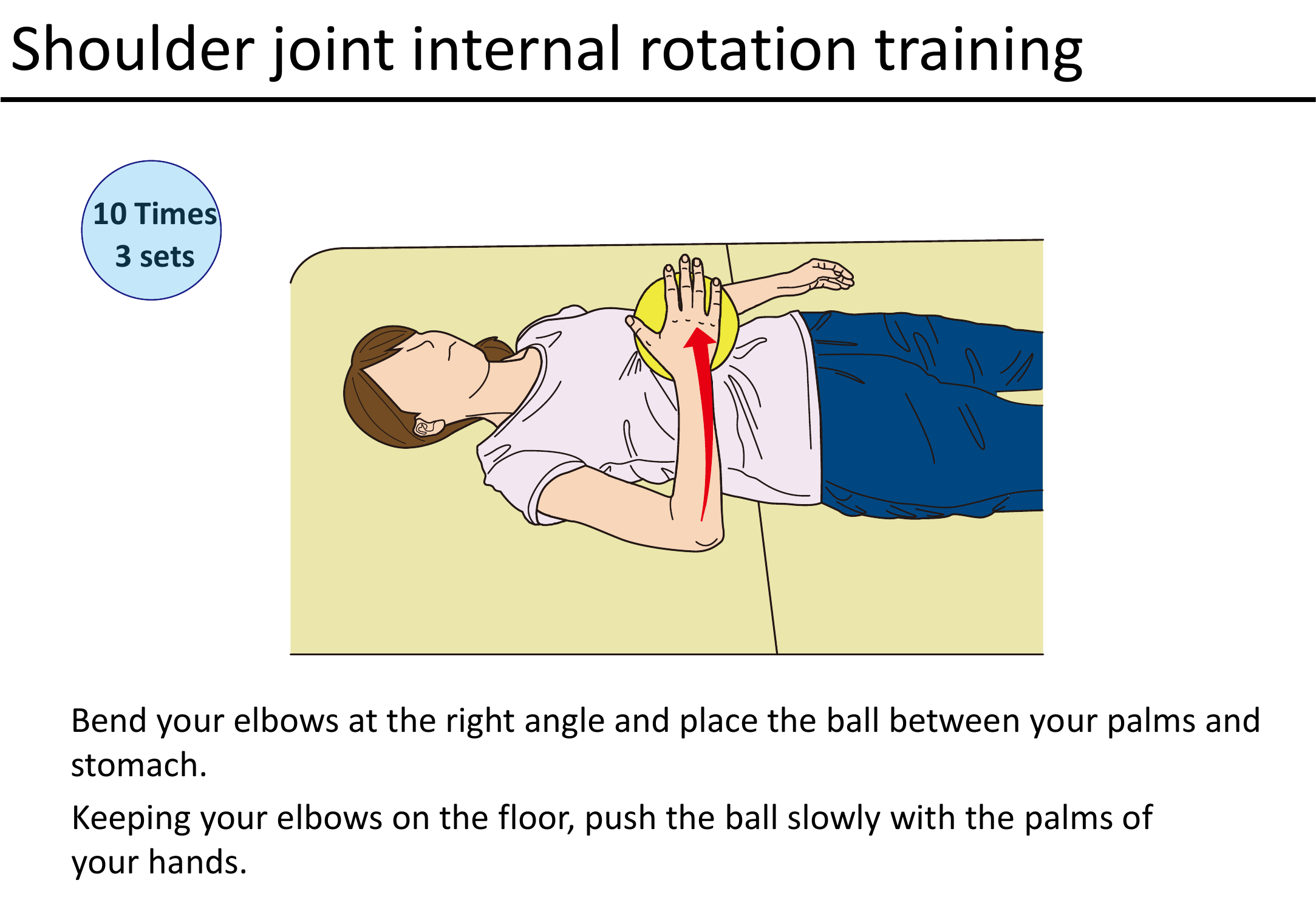
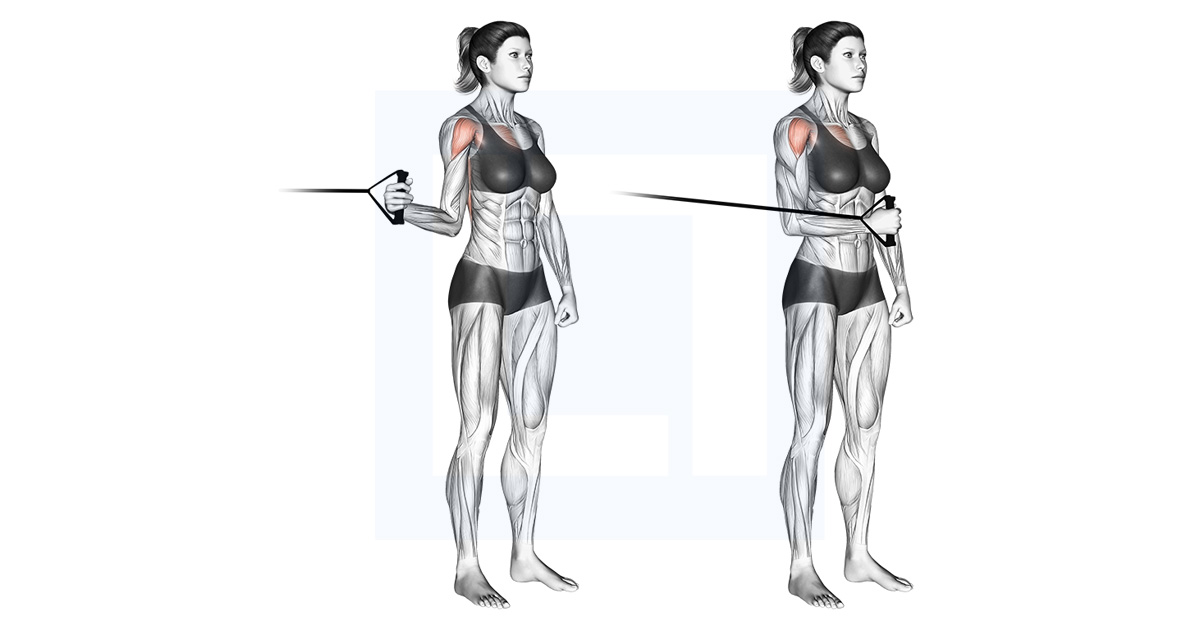
- Internal rotation with a resistance band: Hold a resistance band in both hands and rotate your shoulders inward, keeping your arms straight.
- Wall slides: Stand with your back against a wall and your arms at your sides. Slowly slide your arms up the wall, keeping your shoulders down and away from your ears.
- Scapular rotations: Hold a light weight or resistance band in one hand and rotate your scapula (shoulder blade) inward, then outward.
- Pendulum exercises: Hold a light weight in one hand and bend to one side, allowing your arm to hang straight down. Slowly rotate your shoulder inward, then outward.
Stretches to Improve Shoulder Internal Rotation
In addition to exercises, stretching can also help improve shoulder internal rotation. Here are some effective stretches to try:
- Chest stretch: Stand in a doorway with your hands on the doorframe at shoulder height. Lean forward, stretching your chest and shoulders.
- Shoulder blade squeeze: Sit or stand with your arms at your sides. Squeeze your shoulder blades together and hold for 5-10 seconds.
- Arm across the chest stretch: Hold one arm straight out to the side and use your other arm to pull it across your chest. Hold for 30 seconds and repeat on the other side.
Conclusion
Improving shoulder internal rotation can have a significant impact on overall shoulder health and mobility. By incorporating exercises and stretches into your daily routine, you can improve your internal rotation, reduce pain and stiffness, and enhance your athletic performance. Remember to start slowly and gradually increase the intensity and duration of your exercises and stretches. With consistent practice and patience, you can achieve optimal shoulder internal rotation and enjoy the many benefits that come with it.