Exploring the Most Flexible Sports: A Curated List
When you think about flexibility, gymnastics or yoga often spring to mind, but a surprising array of sports also demand a supple body and a keen sense of movement. Whether you’re an athlete looking to diversify your training, a beginner hunting a low‑impact entry point, or simply curious about the physical artistry behind different disciplines, this list shines a light on the sports where flexibility isn’t just a bonus—it’s a core requirement.
Why Flexibility Matters Across Different Sports
Flexibility isn’t merely about touching your toes; it influences balance, injury prevention, and the ability to execute complex techniques with efficiency. In many sports, a greater range of motion translates directly into better performance: a diver can achieve tighter spins, a martial artist can deliver cleaner kicks, and a swimmer can streamline more effectively. Understanding which sports prioritize flexibility helps you choose a path that aligns with your goals and physical preferences.
1. Gymnastics
Gymnastics tops the list, demanding extreme joint mobility for flips, splits, and vaults. Athletes spend hours each day stretching to maintain the supple hips, shoulders, and ankles required for routines on the floor, bars, and beam. The sport’s emphasis on controlled, graceful movement makes it a benchmark for overall flexibility.
2. Figure Skating
Gliding across the ice while performing spirals, jumps, and intricate footwork calls for a dancer’s pliability. Figure skaters regularly practice off‑ice stretching routines to keep their hamstrings and hip flexors elongated, which aids in achieving deep edges and elegant lines.
3. Diving
Each dive is a short, high‑speed ballet. Divers rely on flexible shoulders and spine to generate the tight body position needed for somersaults and twists. A well‑maintained range of motion also reduces the risk of shoulder injuries from repetitive overhead motions.
4. Martial Arts (e.g., Taekwondo, Capoeira)
High kicks, sweeping leg attacks, and fluid evasive maneuvers are staples in many martial arts. Practitioners often incorporate dynamic stretching to keep the hamstrings, adductors, and hip rotators limber, allowing for both power and precision in strikes.
5. Ballet
While technically an art form, ballet is undeniably a sport of flexibility. Dancers spend countless hours perfecting the turnout of their legs, the arch of their backs, and the extension of their arms—skills that hinge on consistent, disciplined stretching.
6. Synchronized Swimming
Now known as artistic swimming, this sport blends swimming endurance with choreography. Athletes need flexible shoulders and ankles to execute lifts and underwater figures with seamless fluidity, often training in both pool and dry‑land stretching sessions.
7. Parkour
Parkour athletes navigate urban obstacles using jumps, vaults, and rolls. Flexibility in the hips and spine helps them absorb impact safely and transition smoothly between movements, reducing the likelihood of strains during high‑impact landings.
8. Aerial Silks
Performers ascend, wrap, and descend on long fabric ribbons suspended overhead. The sport demands strong, flexible shoulders and a supple back to execute climbs and drops without compromising safety.
9. Competitive Cheerleading
Beyond pom‑poms, cheer squads perform stunts, pyramids, and tumbling runs that require flexible spines, hips, and ankles. Stretching is woven into every practice to ensure athletes can achieve high kicks and splits while maintaining structural support during lifts.
10. Pole Dancing
Often misunderstood, pole dancing is a full‑body workout that heavily relies on hip flexibility, shoulder mobility, and core strength. Practitioners routinely stretch to improve their range of motion, which directly influences the fluidity and difficulty of spins and inversions.
Integrating Flexibility Training into Your Routine
If any of the sports above piqued your interest, you’ll likely need a flexible foundation to get started. Here are a few practical tips that work across most disciplines:
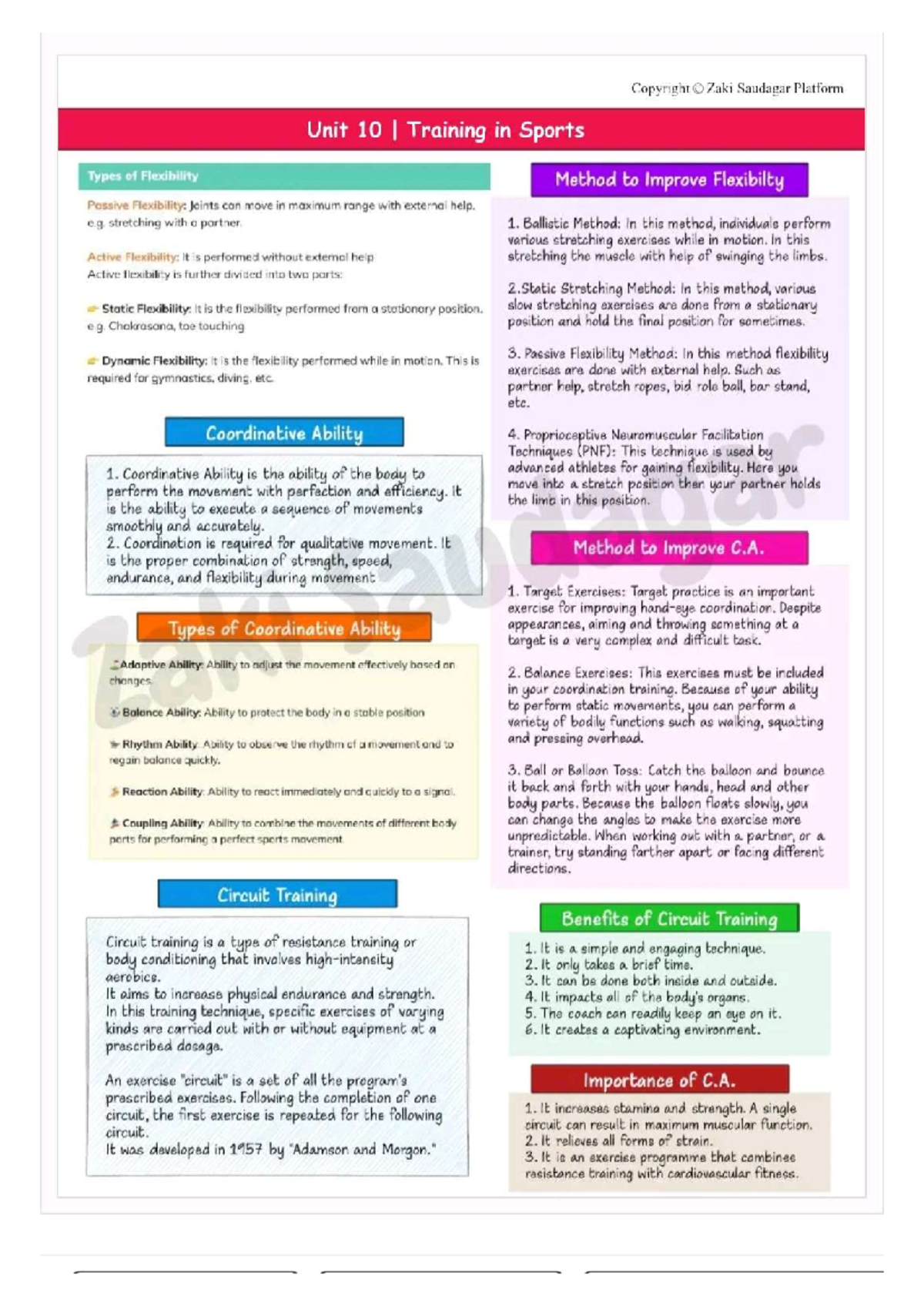
- Dynamic Warm‑Ups: Move through controlled ranges of motion—leg swings, arm circles, and torso twists—to prepare muscles before static stretching.
- Static Holds: After workouts, spend 10‑15 minutes holding stretches for 30‑60 seconds to improve long‑term flexibility.
- Consistency Over Intensity: Short, daily sessions often yield better results than occasional marathon stretching marathons.
- Cross‑Training: Complement your primary sport with yoga or Pilates, both of which enhance joint mobility and core stability.
FAQ
Which flexible sport is best for beginners?
Yoga‑inspired disciplines like artistic swimming or basic gymnastics classes provide structured, low‑impact introductions to flexibility training.
Can I improve flexibility without joining a sport?
Absolutely. Consistent stretching routines, supplemented by activities such as Pilates or mobility-focused yoga, can markedly increase range of motion.
How often should I stretch to see noticeable gains?
Most experts recommend at least three sessions per week, each lasting 15‑20 minutes, while integrating dynamic movements before workouts.