Find a Luxury Lexus Under $13,000: Used Models Worth Your Money
Why a Lexus Still Makes Sense on a Tight Budget
When most people think “budget car,” the image that pops up is a compact hatchback or an aging sedan. Yet Lexus, Toyota’s upscale arm, has a reputation for reliability that rivals any mainstream brand. Even a decade‑old Lexus can outlast a cheaper counterpart, thanks to meticulous engineering and a focus on low‑maintenance components. That durability translates into fewer surprise repairs, which is exactly the kind of peace of mind a buyer with a $13,000 ceiling craves.
Another hidden perk is resale value. Lexus vehicles tend to hold their price better than many European rivals, meaning you’ll likely retain a higher percentage of your investment if you decide to upgrade later. In short, the initial stretch to find a model under $13,000 pays off with lower long‑term costs.
Models You’ll Most Commonly See Below $13,000
Not every Lexus fits the sub‑$13,000 mold, but a handful consistently appear in the used‑car market. Below are the three most realistic candidates, along with the typical mileage and price ranges you might encounter.
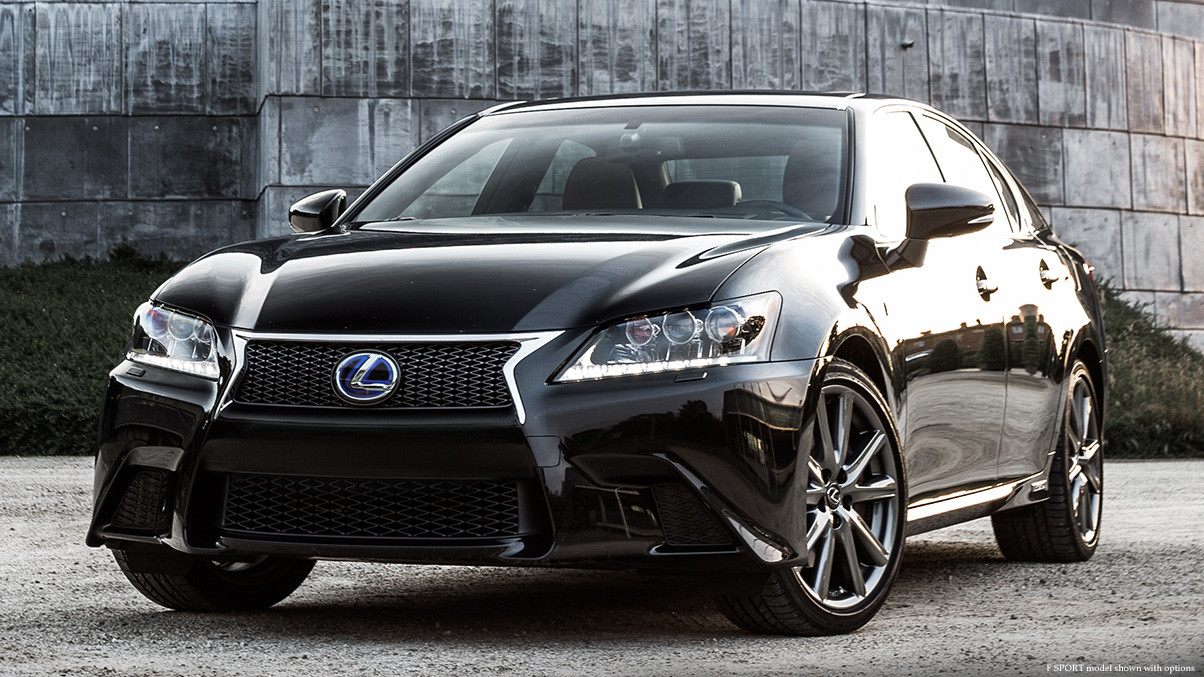
- 2007‑2010 Lexus IS 250 – A compact sedan that balances sporty handling with a plush interior. Expect 80,000–120,000 miles and price tags hovering between $9,500 and $12,800.
- 2005‑2009 Lexus ES 330 – Larger than the IS, the ES offers a smoother ride and a more spacious back seat. Look for 90,000–130,000 miles; prices usually land in the $8,500‑$12,000 bracket.
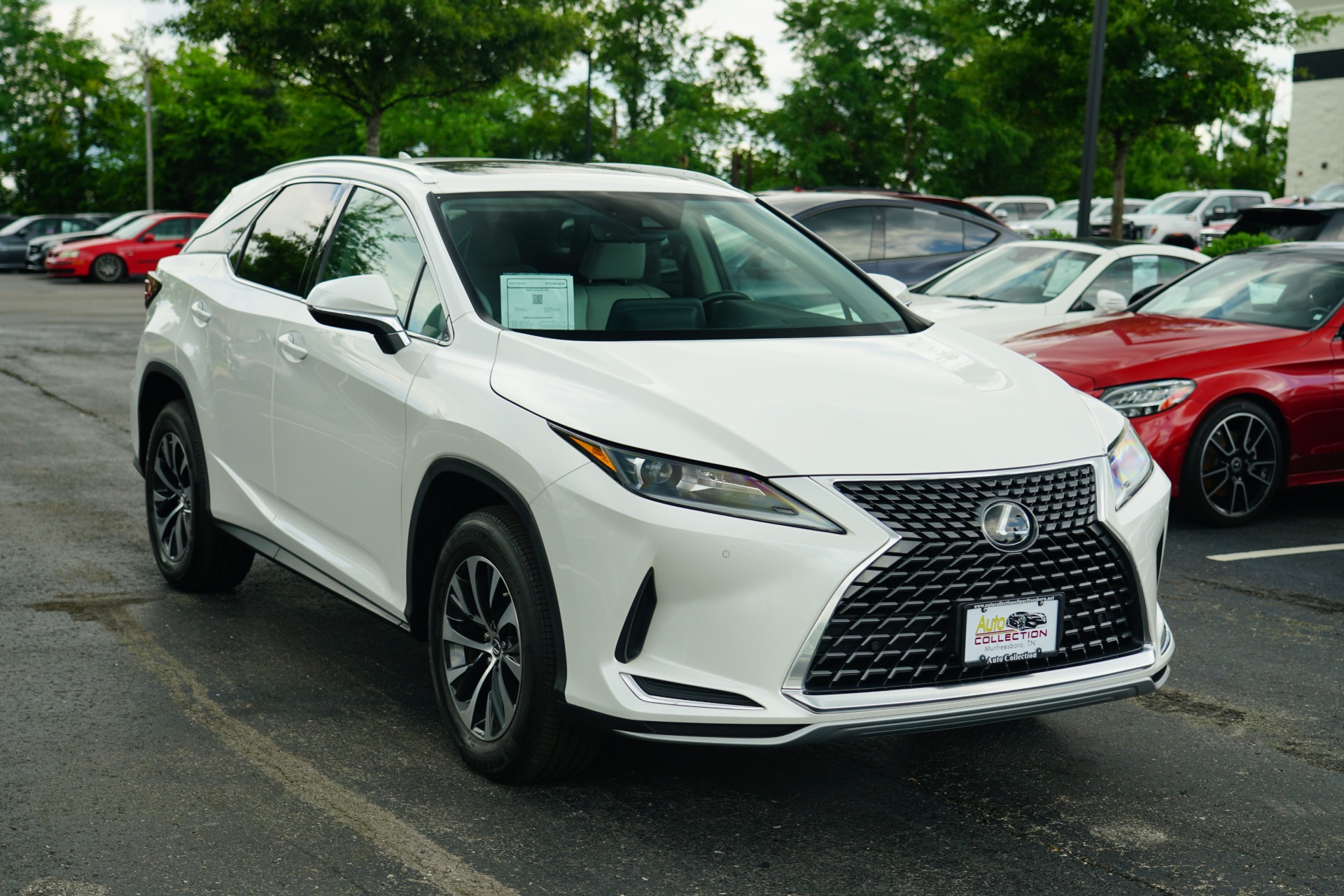
- 2004‑2008 Lexus RX 330 – If an SUV is non‑negotiable, the early‑generation RX is the most affordable entry point. Mileage often exceeds 110,000 miles, and you’ll find them priced around $9,000‑$13,000.
These figures are averages; local market quirks can push a specific vehicle a little higher or lower. The key is to focus on condition rather than just mileage, because a well‑maintained 130,000‑mile car can be a better buy than a neglected 80,000‑mile one.
What to Check Before You Hand Over Cash
Even a Lexus with a solid reputation can hide costly issues. Below is a quick checklist that helps you separate the gems from the lemons.
- Service Records – A complete history of oil changes, brake work, and timing‑belt replacements (if applicable) signals a conscientious owner.
- Suspension Health – Listen for clunks when driving over bumps; worn bushings are common on older Lexus models and can be pricey to replace.
- Transmission Fluid – A clean, pink‑ish fluid with no burnt smell indicates the gearbox is still in good shape. Low fluid levels often point to neglect.
- Rust Inspection – Pay special attention to the wheel wells, undercarriage, and door sills. Even mild surface rust can accelerate if left unchecked.
- Electronic Systems – Test the navigation screen, climate control, and power windows. Lexus electronics are generally reliable, but older units can develop quirks.
If any of these areas raise red flags, ask for a pre‑purchase inspection from a mechanic familiar with Japanese luxury cars. A modest investment now can save you thousands down the road.
Where to Hunt for the Best Deals
Finding a Lexus under $13,000 isn’t about luck; it’s about knowing the right places to look. Below are the most fruitful sources, ordered by how often they yield quality bargains.
- Certified Pre‑Owned (CPO) Auctions – While CPO programs typically price higher, auction houses sometimes sell off inventory at a discount, especially when dealers need to clear space.
- Online Marketplaces – Sites like Autotrader, Cars.com, and Craigslist let you filter by price, mileage, and distance. Set up daily alerts for “Lexus under $13,000” to stay ahead of new listings.
- Local Dealership Lots – Smaller independent lots often have older inventory they’re eager to move. A friendly haggler can shave a few hundred dollars off the sticker.
- Trade‑In Runs – When a dealer takes in multiple trade‑ins, they sometimes price them aggressively to clear the lot. It’s worth asking the salesperson what’s “newly arrived.”
Don’t forget to factor in the cost of a vehicle‑history report (like Carfax) when you’re comparing prices. A $13,000 Lexus with a clean title and no major accidents is worth more than a $12,000 model that’s been in a severe collision.
Financing and Negotiation Tips for the Savvy Buyer
Even with cash on hand, a little financing can give you leverage. Many lenders view a Lexus as a low‑risk loan, which often translates into better interest rates. If you choose to finance, aim for a term under 48 months; longer terms may lower the monthly payment but increase overall interest.
When it comes to price, start lower than the listed amount but stay realistic. A common tactic is to point out any needed repairs discovered during the inspection and ask for a corresponding discount. Sellers usually expect a negotiation dance, so be prepared to walk away if the numbers don’t line up with your budget.
Living the Lexus Lifestyle Without Breaking the Bank
Owning a Lexus isn’t just about the badge on the grille; it’s about the daily experience of refined comfort and quiet confidence. The cabin materials, well‑tuned suspension, and intuitive controls make even a short commute feel like a mini‑vacation. When you pair that experience with a purchase price under $13,000, you’re essentially getting a taste of luxury that many new‑car shoppers can only dream of.
So, if you’ve been scrolling through endless listings of sub‑compact hatchbacks, take a moment to broaden the search radius. A gently used Lexus could be waiting just a few counties away, ready to deliver reliability, style, and that unmistakable sense of “I made a smart choice.”