FM24 Minimum Fee Release Clauses Explained
If you have ever tried to sell a prized asset in Football Manager 2024, you likely hit a wall. The club refuses to sell. The board is stubborn. The player’s contract is essentially ironclad against your bidding attempts. This frustration usually stems from a misunderstanding of the minimum fee release clause. It is not just a random number generated by the game to annoy you. It is a contractual mechanism that binds the selling club’s hands, forcing them to accept any offer that meets or exceeds a pre-agreed value.
In the context of FM24, understanding how these clauses work is the difference between a stalemate in negotiations and a smooth transfer of top talent. Unlike a standard transfer fee negotiation, where the selling club can reject offers based on financial need or emotional attachment to a player, a minimum fee overrides this autonomy. If the clause is active, the club manager has no choice. The board cannot refuse the offer. The deal moves directly to the player’s agent and personal terms.
However, these clauses are not always obvious. They do not appear prominently on a player’s profile in the same way their wages or contract length do. You have to dig into the detailed contract information to see if one exists. This lack of visibility often leads managers to waste valuable time and resources on bids that are technically acceptable to the selling club but are rejected because they fall short of the hidden threshold.
Why Minimum Fees Matter in Transfer Negotiations
The primary value of a minimum fee release clause lies in its predictability. For the selling club, it guarantees a baseline valuation for the player. For the buying club, it provides a clear target minimum fee release clause amount to aim for. There is no haggling over the club’s asking price. If you meet the number, the club must comply.
This rigidity can be both a blessing and a curse. On one hand, it removes the emotional element from negotiations. The selling manager cannot claim the player is “unsellable” or that the offer is “insulting.” If the offer meets the clause, the door is opened. On the other hand, it can lead to inflated prices. Clubs often set these fees high to protect their assets, knowing that any offer below that amount will be irrelevant without selling pressure. This means you cannot rely on the typical sales pressure mechanic to lower the asking price significantly. The floor is fixed.
Moreover, these clauses are often tied to performance metrics or specific time periods. A player might have a lower fee after reaching certain age milestones or after falling out of favor with the manager. Understanding these conditions is crucial for timing your approach. Waiting for the right moment can mean the difference between a record-breaking transfer and a bargain deal.
How to Identify and Verify Release Clauses
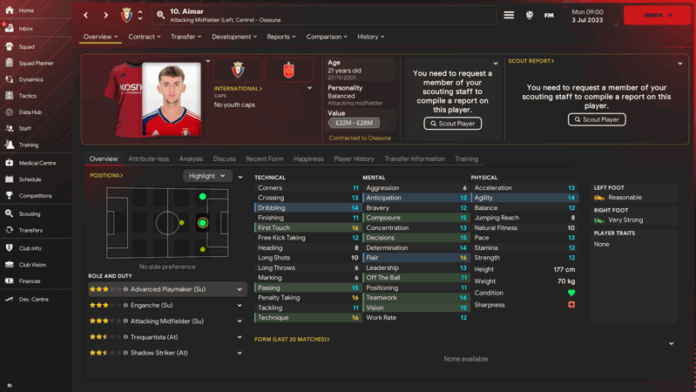
Finding a minimum fee release clause in FM24 requires careful attention to the player’s profile. Navigate to the “Contract” tab in the player’s detailed view. Here, you will see a section labeled “Release Clause.” If present, the exact figure is displayed, along with any associated conditions. These conditions might include a start date, an end date, or specific performance requirements.
If no release clause is listed, the player is subject to standard negotiation rules. The selling club has full discretion over the transfer fee. In this case, you must rely on traditional persuasion tactics, such as creating competition, highlighting the player’s current form, or leveraging the club’s financial situation to lower their asking price.
It is worth noting that release clauses are rare in the lower divisions. They are most common among top-tier clubs and elite players. If you are managing a mid-table or lower-league side, you are unlikely to encounter many players with these clauses. However, as you climb the ranks, the prevalence of minimum fees increases. Knowing how to identify them early in the scouting process can save you from wasted effort and help you allocate your budget more effectively.
When verifying a clause, pay close attention to the currency. FM24 uses local currencies for each league, and conversion rates can vary. A fee that seems reasonable in one currency might be exorbitant in another. Always convert the figure to your club’s primary currency to get an accurate sense of the financial impact. This step is often overlooked but can prevent costly miscalculations.
Negotiating Strategies When Facing a Fixed Fee
Once you have identified a minimum fee release clause, your strategy shifts from persuading the club to meeting the contractual obligation. The goal is no longer to negotiate the fee down. The goal is to ensure your offer matches or exceeds the specified amount. Any amount below the clause will be immediately rejected, regardless of the club’s current financial situation or the player’s availability.
However, this does not mean you are powerless. While you cannot negotiate the club’s fee, you can negotiate the player’s personal terms. The player’s agent will have their own demands, including wages, bonuses, and contract length. These negotiations run parallel to the transfer fee process. If the player rejects the personal terms, the deal will not go through, even if the club accepts the fee. Therefore, it is essential to engage with the agent early and understand their priorities.
Another strategy is to create competition. If multiple clubs are interested in the player, the selling club may be forced to accept the first offer that meets the clause. In this scenario, the clause acts as a tie-breaker. The club cannot choose between two offers that both meet the minimum fee. The first one in wins. This can be a significant advantage if you are willing to make a quick, decisive offer.
Finally, consider the timing of your approach. If the clause is set to decrease over time, it might be beneficial to wait. However, waiting carries risks. The player could be sold to another club, or their form could decline, making them less attractive. Balancing the potential savings against these risks requires careful judgment.
Common Pitfalls to Avoid
One of the most common mistakes managers make is assuming that a release clause is negotiable. It is not. If the clause is £50 million, an offer of £49 million will be rejected, even if the club is in financial trouble. Insisting on a lower fee when a minimum fee release clause is present is a waste of time and can damage your relationship with the selling club. Respect the contract. Meet the fee or walk away.
Another pitfall is ignoring the player’s personal terms. Even if you meet the club’s fee, the deal will not complete if the player rejects the offer. Ensure that your offer is attractive to both parties. This might mean offering higher wages, a longer contract, or additional bonuses. Failing to address the player’s concerns can lead to a failed transfer, even after satisfying the contractual clause.
Lastly, do not overlook the importance of communication. Engage with the selling manager and the player’s agent to understand their perspectives. This can provide valuable insights into the negotiation process and help you tailor your offer accordingly. Clear communication can prevent misunderstandings and facilitate a smoother transfer.
FAQ: Minimum Fee Release Clauses in FM24
- Can I negotiate a lower fee if a release clause is present?
No. If a minimum fee release clause is active, the selling club must accept any offer that meets or exceeds the specified amount. You cannot negotiate the fee down below this threshold. Insisting on a lower offer will result in automatic rejection by the club. - Where are release clauses most common in FM24?
Release clauses are most frequently found among top-tier clubs and elite players, particularly in major leagues such as the Premier League, La Liga, and Serie A. They are rare in lower divisions and among less prominent players. As you climb the ranks, the likelihood of encountering these clauses increases. - Do release clauses affect the player’s wages?
No. A release clause only pertains to the transfer fee payable to the selling club. It does not influence the player’s wages, which are negotiated separately with the player’s agent. However, meeting the release fee is a prerequisite for initiating negotiations on personal terms. - Can a release clause expire?
Yes. Most release clauses have a specific start and end date. If the clause expires, the player is no longer bound by the minimum fee. From that point onward, the transfer fee is subject to standard negotiation rules. Be aware of the expiration date to time your approach effectively.