Fog Machine Safety: What You Need to Know About Smoke Vents
There is something undeniably cinematic about a room filled with drifting, low-lying clouds. Whether you are setting the mood for a Halloween party, producing a theatrical play, or trying to create that perfect haze for a photography shoot, fog machines are a staple of creative expression. But as the white plumes swirl through the air, a nagging question often arises for event planners, parents, and venue owners alike: is that stuff actually dangerous?
The short answer is that most modern theatrical fog is generally safe for healthy adults when used responsibly. However, "safe" is a relative term that depends heavily on the type of fluid used, the ventilation of the space, and the specific sensitivities of your audience. Understanding the chemistry behind the haze can help you make smarter choices and avoid turning a memorable event into a respiratory hazard.
The Chemistry Behind the Haze
To understand the safety profile of fog machine smoke, we first need to look at what is actually being vaporized. There are two primary types of fluids available on the market: glycol-based and mineral oil-based.
Glycol-based fluids (often propylene glycol or vegetable glycerin) are the industry standard for indoor events. When heated, these fluids create an aerosol that resembles real fog. Propylene glycol is the same substance found in many food products, pharmaceuticals, and even e-cigarette liquids. Because it is considered "Generally Recognized As Safe" by regulatory bodies for consumption and topical use, it is widely accepted for inhalation in controlled, short-term settings. Vegetable glycerin, derived from plants, is often marketed as a more "natural" alternative, though it produces thicker, slower-dissipating fog.
Mineral oil-based fluids, on the other hand, are typically reserved for outdoor film and television productions. These fluids create a realistic, long-lasting cloud that mimics oil-based smoke effects. While they are not inherently toxic, they are heavier and more difficult to ventilate. Using mineral oil indoors is generally discouraged because the particles can linger in the air for hours, coating surfaces and potentially irritating the respiratory systems of sensitive individuals.
Who Is at Risk?
Even with "safe" glycol-based fluids, no environment is entirely risk-free. The primary concern isn't toxicity in the traditional sense, but rather particulate matter and chemical sensitivity. When a fog machine operates, it atomizes the fluid into microscopic droplets. Inhaling any foreign particulate matter can cause irritation to the eyes, nose, and throat.
For the average healthy adult, this irritation is usually mild and temporary—perhaps a slight coughing fit or watery eyes. However, certain groups face higher risks:
- People with Asthma or Respiratory Conditions: Fog fluid can trigger bronchoconstriction or asthma attacks. The irritants in the aerosol can inflame the airways, making breathing difficult for those with pre-existing conditions.
- Children and Infants: Young children have smaller airways and are still developing. Their breathing rates are faster, meaning they inhale more particulate matter per minute than adults. It is generally advised to keep fog use to a minimum around infants.
- Pets: Animals, particularly cats and small dogs, have highly sensitive respiratory systems. Fog can cause severe distress or respiratory failure in birds and small mammals. It is best to keep pets in a separate, well-ventilated area during any fogging event.
Ventilation: The Unsung Hero of Safety
If there is one golden rule of fog machine safety, it is this: ventilation is non-negotiable. Fog machines do not "burn" the fluid; they vaporize it. This means the fluid does not disappear; it simply changes state and hangs in the air until it settles or is moved.
In a tight, windowless room, the concentration of aerosol particles can build up quickly. High concentrations can lead to headaches, dizziness, and nausea, not necessarily from toxicity, but from mild oxygen displacement and particulate accumulation. Always ensure that your venue has fresh air exchange. Open windows, use exhaust fans, or utilize HVAC systems designed to handle aerosols.
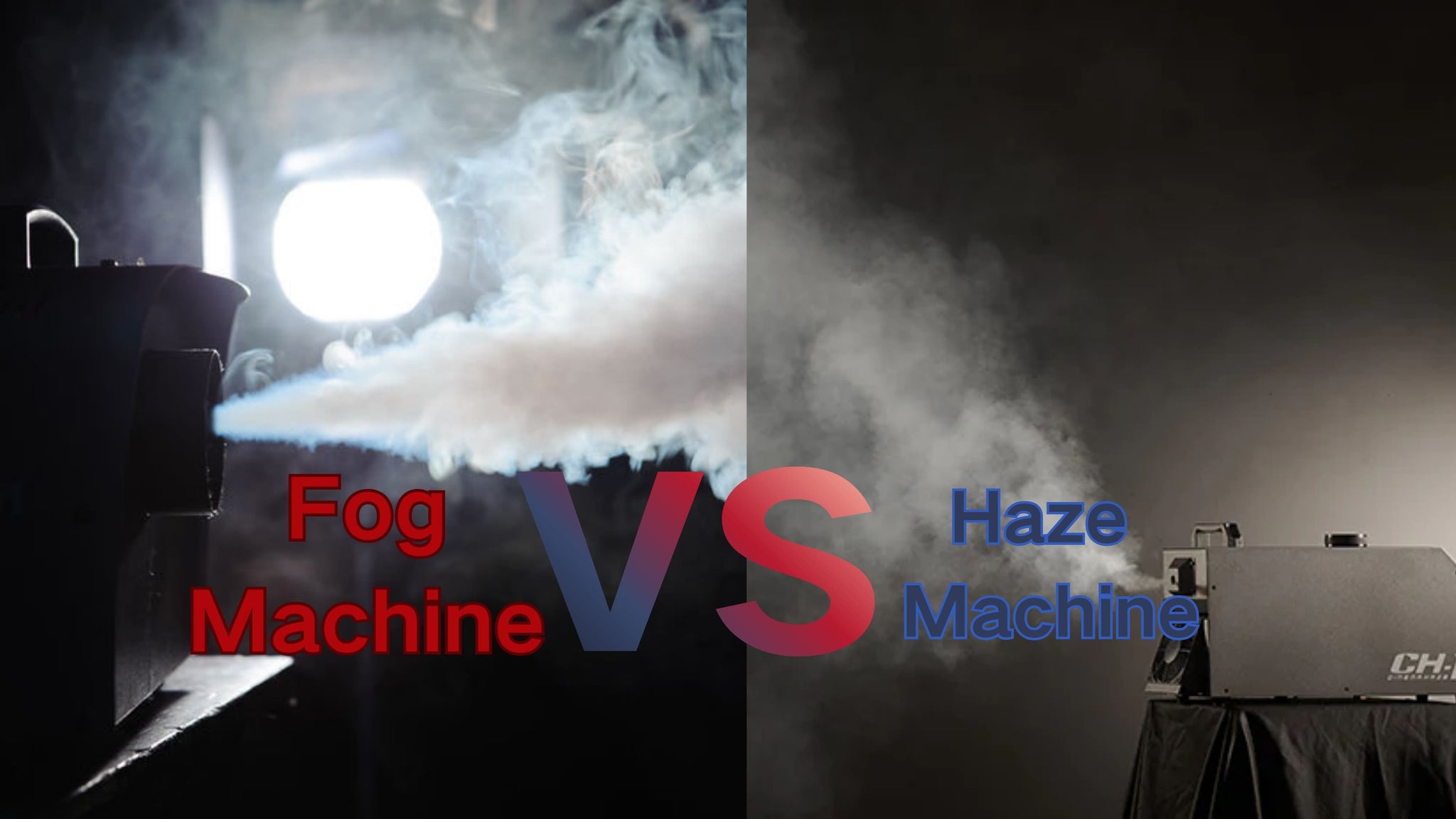
If you are working in a small space, such as a closet or a small room, consider using a fog pump or a haze fluid instead of a standard fog machine. Haze fluid creates a much finer mist that stays suspended longer but requires significantly less volume to achieve the desired lighting effect. This reduces the total amount of particulate matter introduced into the environment.
Choosing the Right Fluid
When shopping for fog fluid, look for clear labeling. Avoid fluids that contain ethylene glycol (the same compound found in antifreeze), as this is toxic and should never be used in any setting where humans are present. Stick to reputable brands that explicitly state their product is theatrical grade and glycol-based.
Scented fog fluids are another consideration. While they might sound fun, the added fragrances often contain synthetic chemicals that are more likely to cause allergic reactions or respiratory irritation than unscented fluids. If you want a specific scent, it is safer to use a separate essential oil diffuser in a ventilated area rather than adding fragrance directly to the fog machine.
Best Practices for a Safe Event
Prevention is always better than a cure. Here are a few practical tips to ensure your fog effects look great without compromising health:
- Test in an Empty Room: Before inviting guests, run the machine in the venue with the ventilation system on high. Check for adequate air circulation and ensure the fog clears at a reasonable pace.
- Limit Run Times: There is no need to keep the fog machine running continuously. Short bursts are more effective for visual impact and reduce the total particulate load in the air.
- Clear the Air Between Effects: Allow time for the fog to dissipate completely between scenes or activities. This gives sensitive individuals time to recover and breathe fresh air.
- Communicate with Your Audience: If you are hosting a public event, it is considerate to announce that fog effects will be used. This gives people with known allergies or respiratory issues the chance to leave the venue if they feel uncomfortable, rather than hiding in the shadows. This transparency helps prevent panic if someone starts coughing unexpectedly.
Frequently Asked Questions
Can you get high from fog machine smoke?
No. Theological fog fluids are not psychoactive. You cannot get intoxicated or high from propylene glycol or vegetable glycerin fog. Any feelings of lightheadedness are likely due to poor ventilation or hyperventilation from excitement, not intoxication.
Is fog machine smoke bad for your lungs?
For most healthy people, occasional exposure is not damaging. However, chronic or excessive exposure to any aerosol can irritate lung tissue. Individuals with asthma, COPD, or other respiratory issues should avoid environments with heavy fog usage.
How long does it take for fog to clear?
This depends entirely on your ventilation. In a well-ventilated industry-standard venue, fog can clear in 15-30 minutes. In a small, sealed room without active ventilation, it may take several hours to fully dissipate. Using a fan to direct air towards an open window or exhaust vent significantly speeds up the process.