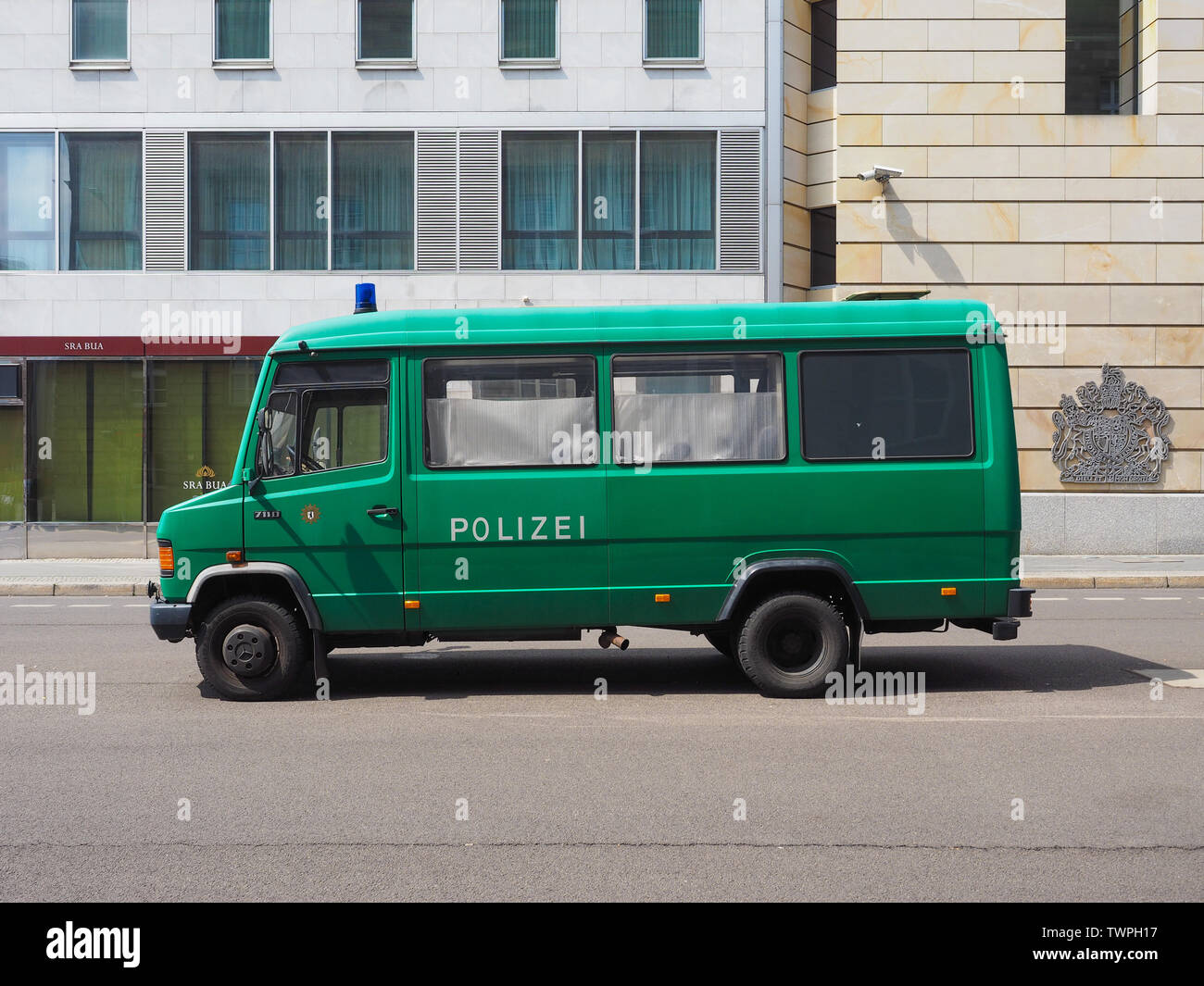
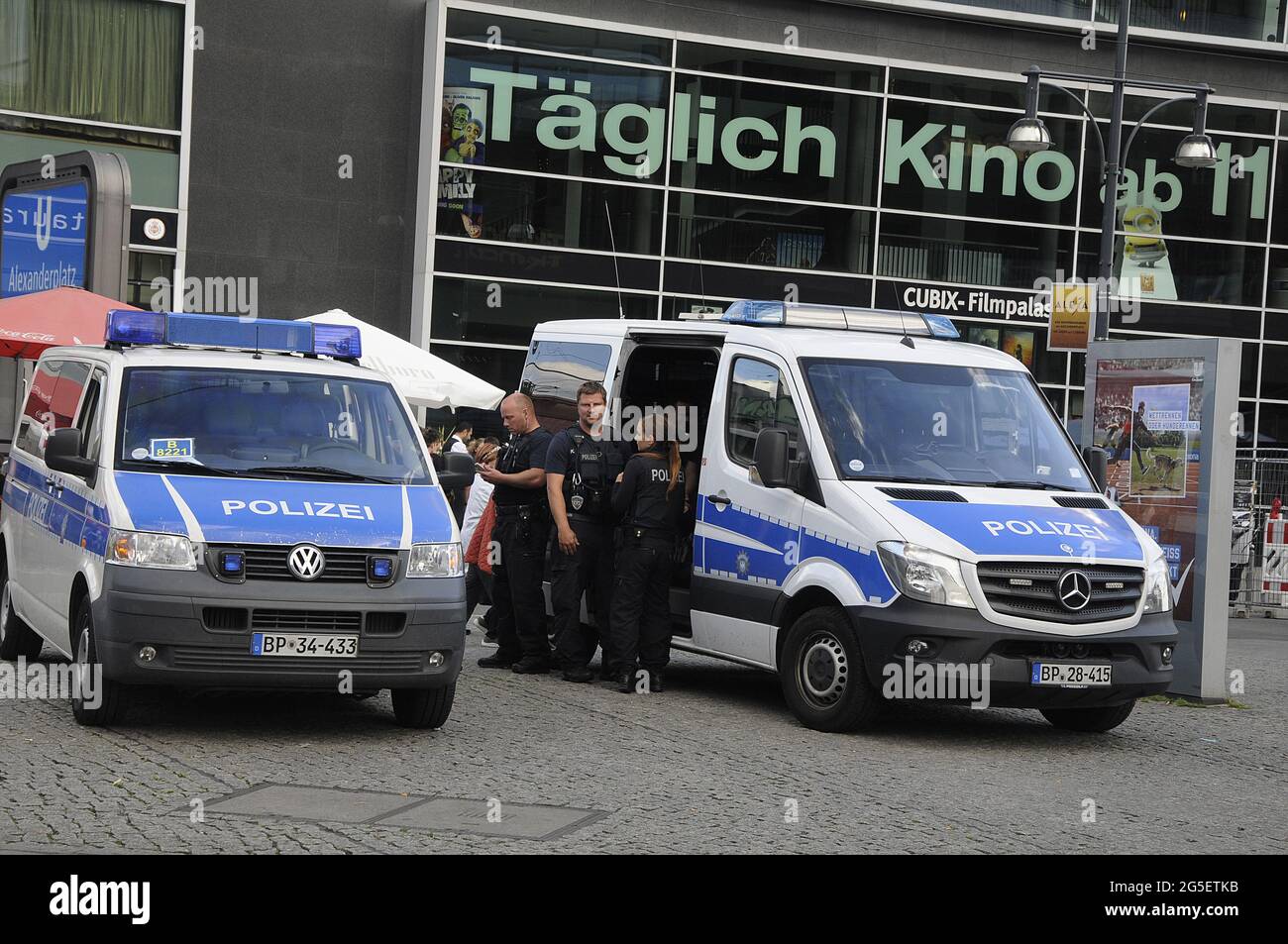
Germany's Polizei: How Local Power and Federal Coordination Work
When most people picture the German police, they likely imagine the distinct uniforms, the sleek Polizihunde (police dogs), or perhaps the high-speed pursuit scenes from European crime dramas. But behind that recognizable imagery lies one of the most complex law enforcement systems in the Western world. It is not a single, monolithic entity. Instead, it is a fragmented mosaic of powers, responsibilities, and traditions, deeply rooted in the country’s federal structure.
Understanding Germany's Polizei means looking past the badge and into the constitutional framework that divides authority between sixteen sovereign states and the federal government. For visitors and locals alike, knowing who has jurisdiction, how agencies cooperate, and what the current modernization challenges are provides a clearer picture of public safety in a nation that values both order and federal autonomy.
The Federal Puzzle: Länder vs. Bund
The core concept to grasp is sovereignty. In Germany, public security is primarily the responsibility of the individual states, known as Länder. This means there are sixteen separate state police forces. If you are in Berlin, you are under the jurisdiction of the Polizeipräsidium Berlin. If you are in Bavaria, you deal with the Bayern Polizei. Each state controls its own budget, hiring practices, training academies, and operational command.
So, where does the federal government fit in? The Federal Police, or Bundespolizei, handles specific, cross-border tasks. Think of them as the specialists. They manage border control, protect federal buildings, police airports, and operate the flag police—often seen patrolling major train stations. Before the 2000s, the border guard was a separate entity. A major reform merged the border guards into the Bundespolizei, creating a more unified federal force, though coordination with the states remains a constant logistical challenge.
Then there is the Federal Criminal Police Office, or Bundeskriminalamt (BKA). Unlike the uniformed officers you see on the street, the BKA is an investigative intelligence agency. They don’t typically arrest people in your neighborhood. Instead, they support state police with complex cases involving organized crime, terrorism, and cyber threats, acting as the central hub for criminal data.
Ranking and Structure Within the Ranks
The hierarchy of the German police is strict, clear, and heavily influenced by military tradition. Promotion is not just about tenure; it requires rigorous examination and specialized training at police academies. The system is generally divided into three career streams, each with its own entry requirements and progression path.
- Medium Service (Mittlerer Dienst): This is the backbone of the force. Officers here handle routine patrol, traffic control, and general investigative duties. Entry typically requires a vocational school leaving certificate (Realschulabschluss). The ranks range from Police Officer (Polizeioberkommissar) down to Police Sergeant.
- Senior Service (Oberer Dienst): These officers hold leadership positions, often commanding precincts or leading specialized units like narcotics or assault teams. A university degree or equivalent advanced training is usually required.
- Higher Service (Höherer Dienst): This top tier includes high-ranking executives and political appointees. These individuals shape policy, manage large departments, and interface with state and federal governments.
This rigid structure ensures that every officer knows their place and responsibility. However, critics sometimes argue that it can create a siloed environment, where lower-tier officers have little say in strategic decisions. The chain of command is absolute, which aids in rapid deployment during emergencies but can stifle innovation in day-to-day operations.
Modern Challenges: From Cybercrime to Recruitment
Like law enforcement agencies worldwide, Germany's Polizei faces a shifting landscape of threats. The days of relying solely on foot patrols and intuition are giving way to data-driven policing. Cybercrime is no longer a niche concern; it is a daily reality. Phishing scams, ransomware attacks on infrastructure, and online radicalization require officers to be as comfortable with a keyboard as they are with a service weapon.
To combat this, the BKA and state forces have established dedicated cybercrime units. These teams work around the clock to trace digital footprints, often collaborating with international partners like Europol. The digital nature of crime means that borders are less relevant than data trails, highlighting the need for seamless cooperation between the sixteen state forces and the federal agencies.
Yet, technology cannot solve every problem. One of the most pressing issues facing the German police today is recruitment. Despite high demand, many state police forces struggle to fill vacant positions. The rigorous training periods, relatively low starting salaries compared to private sector jobs, and the high stress of the role deter many potential applicants. Bavaria and Berlin, with their massive influxes of migrants and tourists, feel this shortage acutely.
Efforts to modernize include diversifying recruitment drives and improving working conditions. Some states are experimenting with shorter training modules for non-complex roles, though this remains controversial. There is also a push to increase the number of women in the force, both to better reflect the demographics of the population and to utilize diverse skill sets in de-escalation and community policing.
Community Trust and Policing Culture
The relationship between the German police and the public is generally positive, but it is not without its tensions. Historically, the police in Germany have been viewed as a stabilizing force, a legacy of the post-war era where security was paramount. However, recent years have seen protests against police practices, particularly regarding the use of tear gas, the profiling of certain demographic groups, and handling of demonstrations.
The concept of Ordnung und Sicherheit (order and security) is central to the police mandate. But what constitutes "order"? In a diverse, modern society, the definition is constantly evolving. Police forces are increasingly investing in "prevention" (Prävention) through community engagement. From school programs to local outreach, the goal is to build trust before crises occur.
Critics argue that these efforts are often superficial. They point to instances where police tactics appeared heavy-handed during climate protests or right-wing counter-demonstrations. The debate often centers on the balance between state authority and individual freedoms. In Germany, this balance is delicately maintained by strict oversight bodies and robust legal frameworks, but public scrutiny is higher than ever.
The Future of German Law Enforcement
Looking ahead, the structure of Germany's Polizei is likely to remain decentralized. The federal nature of the state is too deeply entrenched to be easily altered. However, the need for greater standardization and cooperation will drive change from within. We may see more integrated digital platforms allowing real-time data sharing between states, reducing the friction in cross-border investigations.
As society changes, so must the police. The future will demand officers who are not only physically capable but also digitally literate, culturally competent, and psychologically resilient. The challenges are significant, but the commitment to maintaining public trust and safety remains the core mission of the Germany's Polizei.
Frequently Asked Questions
Are German police officers armed?
Yes. Unlike some countries with unarmed community officers, all uniformed German police officers are typically issued a sidearm, usually a compact pistol like the HK4. They also carry pepper spray, batons, and handcuffs. The decision to draw a weapon is strictly regulated and subject to severe legal scrutiny.
Can the Federal Police arrest someone in a local city?
Generally, the Bundespolizei focuses on federal crimes like border violations or attacks on federal infrastructure. However, they have the authority to intervene in emergencies anywhere in Germany. For local crimes, they typically hand the suspect over to the state police (Länderpolizei) for processing and further investigation.
How do I join the German police?
You must be a German citizen and reside in Germany. The process involves a thorough medical exam, psychological testing, a physical fitness test, and a clean criminal record. Depending on the service level you apply for, you will then undergo basic training at a police academy, which can last anywhere from several months to two years.
Is there a difference between Schwaben and regular police?
"Schwaben" is a colloquial term, sometimes used jokingly, referring to officers from Baden-Württemberg or Bavaria. More importantly, Schwarzwaldpolizei or mountain units exist in specific regions, but they are part of the state police. There is no separate "Schwaben" force; it is just a regional nickname or dialect reference.