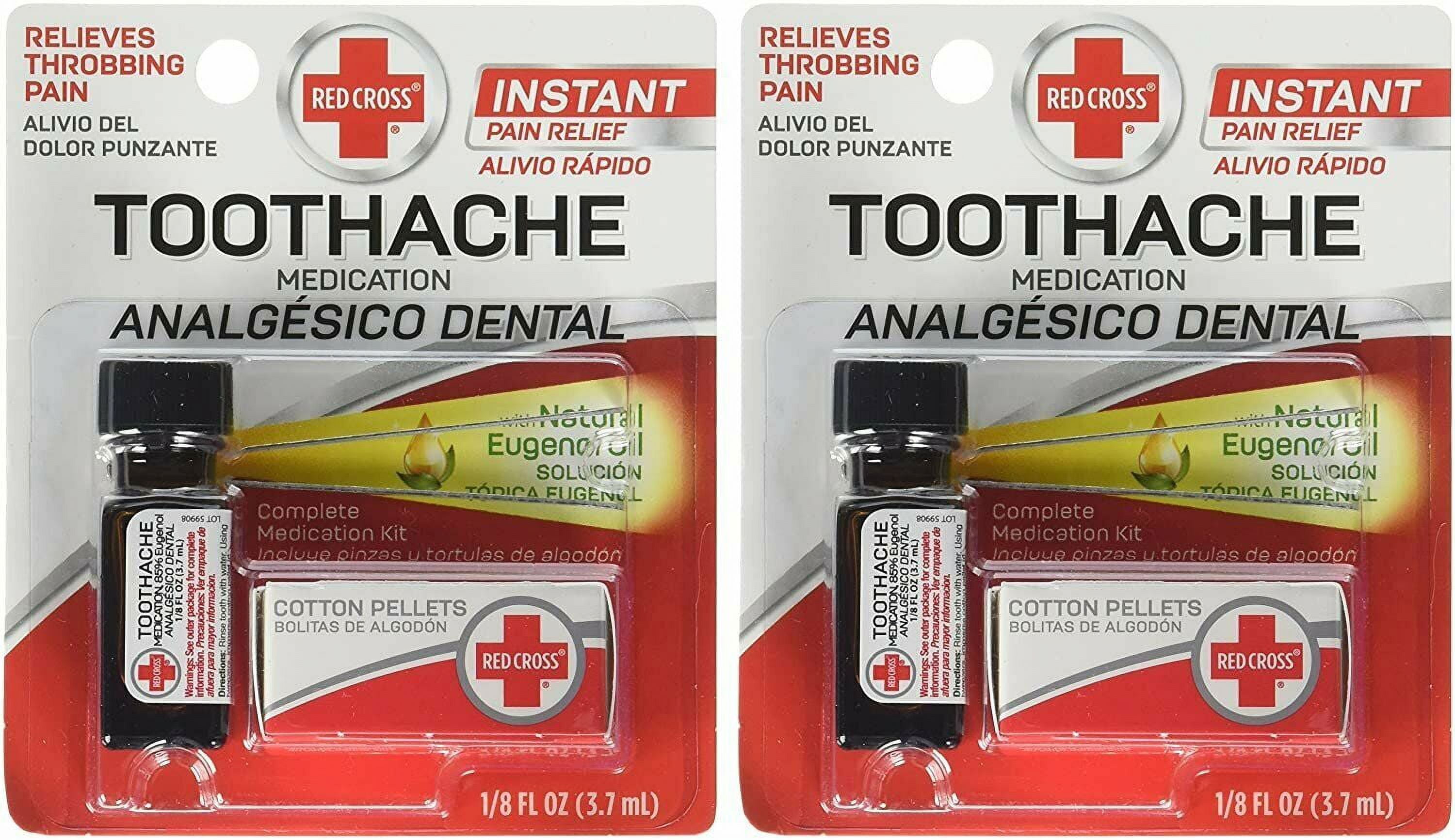
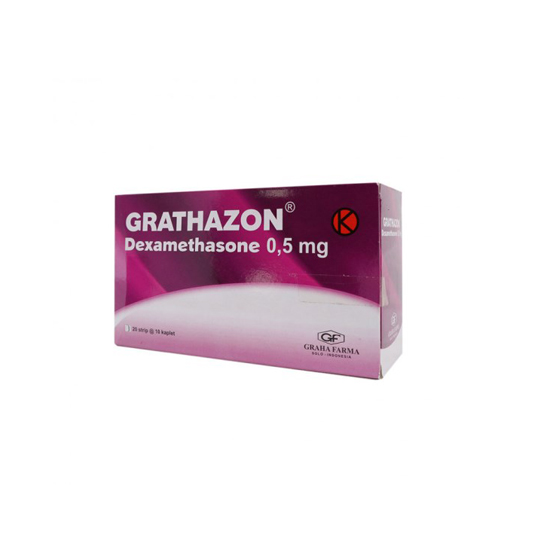
Grathazon Dexamethasone: Is It Quick Toothache Relief?
There is nothing quite like the sharp, throbbing pain of a toothache to ruin your day. You reach for your medicine cabinet, hoping for something powerful enough to silence the nerve. That is where names like Grathazon Dexamethasone often come up in online searches. People want fast relief, and they are looking for a magic bullet. But before you pop a steroid pill for a dental emergency, there is a lot of nuance you need to understand about how these drugs work, what they are actually for, and why they aren’t the first line of defense for dental pain.
What Is Grathazon Dexamethasone?
First, let’s clear up the name. Grathazon is a brand name, likely used in specific regions like Indonesia or other Asian markets, for the drug dexamethasone. Dexamethasone is a potent synthetic corticosteroid. It belongs to a class of medications that mimic the effects of cortisol, a hormone your adrenal glands naturally produce.
In medical settings, this drug is incredibly versatile. Doctors use it to reduce severe inflammation, suppress an overactive immune system, and treat conditions ranging from asthma attacks to certain types of cancer. It is powerful stuff. However, its mechanism of action is not the same as traditional painkillers. It doesn’t block pain signals directly. Instead, it works downstream, reducing the swelling and inflammatory response that can *cause* pain.
Why Your Tooth Hurts (And Why Steroids Aren’t The First Choice)
To understand why dexamethasone isn’t a standard toothache cure, you have to look at what’s happening in your mouth. Most acute toothaches stem from one of a few issues:
- Pulpitis: Inflammation of the tooth’s nerve tissue, often due to deep decay.
- Abscess: A bacterial infection at the root of the tooth or in the gums.
- Gum Disease: Inflammation of the supporting structures of the teeth.
If the pain is driven by massive swelling—say, your face is puffy, or the gums around a wisdom tooth are inflamed—a dentist might actually prescribe a steroid like dexamethasone as an *adjunct* therapy. It helps bring the swelling down, which can indirectly relieve pressure on the tooth.
However, if you have an infection, steroids can be risky. Corticosteroids suppress the immune system. If you take dexamethasone to treat a tooth abscess without an antibiotic, you might be dampening your body’s ability to fight the bacteria. The pain might go down for a bit because the inflammation is masked, but the infection could spread unchecked. That is a dangerous trade-off.
The Standard Protocol for Dental Pain
When you call a dentist for a toothache, they rarely reach for a steroid first. The gold standard for dental pain relief involves non-steroidal anti-inflammatory drugs (NSAIDs). Medications like ibuprofen or naproxen are typically more effective for dental pain than acetaminophen alone. Why? Because dental pain is largely inflammatory. NSAIDs target that inflammation directly while also providing analgesic (pain-relieving) effects.
Many dentists recommend combining ibuprofen with acetaminophen. Studies have shown this combination can be more effective for dental pain than some prescription opioids. It’s a simple, over-the-counter solution that addresses the root cause of the discomfort without the systemic side effects of potent steroids.
When Might a Dentist Prescribe Dexamethasone?
There are specific scenarios where a dental professional might add dexamethasone to your treatment plan. These are not cases of "home remedy" usage. This is strictly under professional guidance.
Post-Surgical Inflammation: After a complex wisdom tooth extraction or oral surgery, significant swelling is expected. A short course of dexamethasone might be prescribed to minimize that swelling, making recovery more comfortable. It doesn’t stop the pain of the incision itself, but it reduces the secondary pain caused by tissue expansion.
Severe Allergic Reactions: If you have had a severe allergic reaction to local anesthetics or other materials used during a dental procedure, steroids are the primary treatment to calm the immune response.
Temporomandibular Joint (TMJ) Disorders: In some cases of severe inflammation in the jaw joint, a steroid injection or oral course might be considered to reduce the inflammatory component of the pain.
The Risks of Self-Medicating
You might find Grathazon Dexamethasone at a local pharmacy without a prescription in some countries. It is tempting to use it because it is strong. But self-medicating with steroids for a toothache comes with risks.
First, there is the issue of dosage. Dexamethasone is much more potent than hydrocortisone. Taking too much can lead to side effects like elevated blood sugar, mood swings, insomnia, and increased blood pressure. Second, as mentioned, if the cause is bacterial, you are hiding the symptoms without treating the cause. A tooth infection can spread to the jaw, the neck, or even the bloodstream if left untreated. That is a medical emergency.
Finally, dependency and rebound effects can occur with steroid use. Your body’s natural production of cortisol can be suppressed if you use these drugs incorrectly, leading to adrenal insufficiency when you stop.
What You Should Do Instead
If you are suffering from a toothache, start with the basics. Rinse with warm salt water to clean the area and reduce surface inflammation. Apply a cold compress to the outside of your cheek to numb the area and reduce swelling. Take an NSAID like ibuprofen if you can medically tolerate it.
If the pain persists for more than a day or two, or if you have fever, swelling in the face, or difficulty swallowing, see a dentist immediately. Do not rely on potent steroids as a band-aid. A toothache is a symptom of a problem that will not heal on its own. It requires professional intervention, whether that is a filling, a root canal, or an extraction.
FAQs About Dental Pain and Steroids
Can Grathazon Dexamethasone cure a tooth infection?
No. Dexamethasone is an anti-inflammatory, not an antibiotic. It may reduce the swelling associated with an infection, but it does not kill the bacteria causing the abscess. You need antibiotics and dental treatment for an infection.
Is it safe to take dexamethasone for a toothache without a prescription?
It is generally not recommended. Self-medicating with potent steroids can mask serious symptoms and lead to complications like increased blood sugar or immune suppression. Always consult a healthcare provider first.
What is the best over-the-counter medicine for a toothache?
For most people, ibuprofen (Advil, Motrin) is the most effective OTC option for dental pain because it addresses inflammation. Acetaminophen (Tylenol) is a good alternative if you cannot take NSAIDs.
How long does it take for dexamethasone to work?
If prescribed for dental swelling, effects can be seen within hours, but the full anti-inflammatory benefit may take a day or two. It is not an instant painkiller like local anesthesia.