Healthy Weight vs Underweight: How to Spot the Difference
When it comes to body weight, the conversation often jumps straight to “lose” or “gain.” Yet the space between a healthy weight and being underweight is more nuanced than a simple number on a scale. Understanding where you fall—and why—can help you make smarter choices about nutrition, activity, and overall wellbeing.
What Counts as a Healthy Weight?
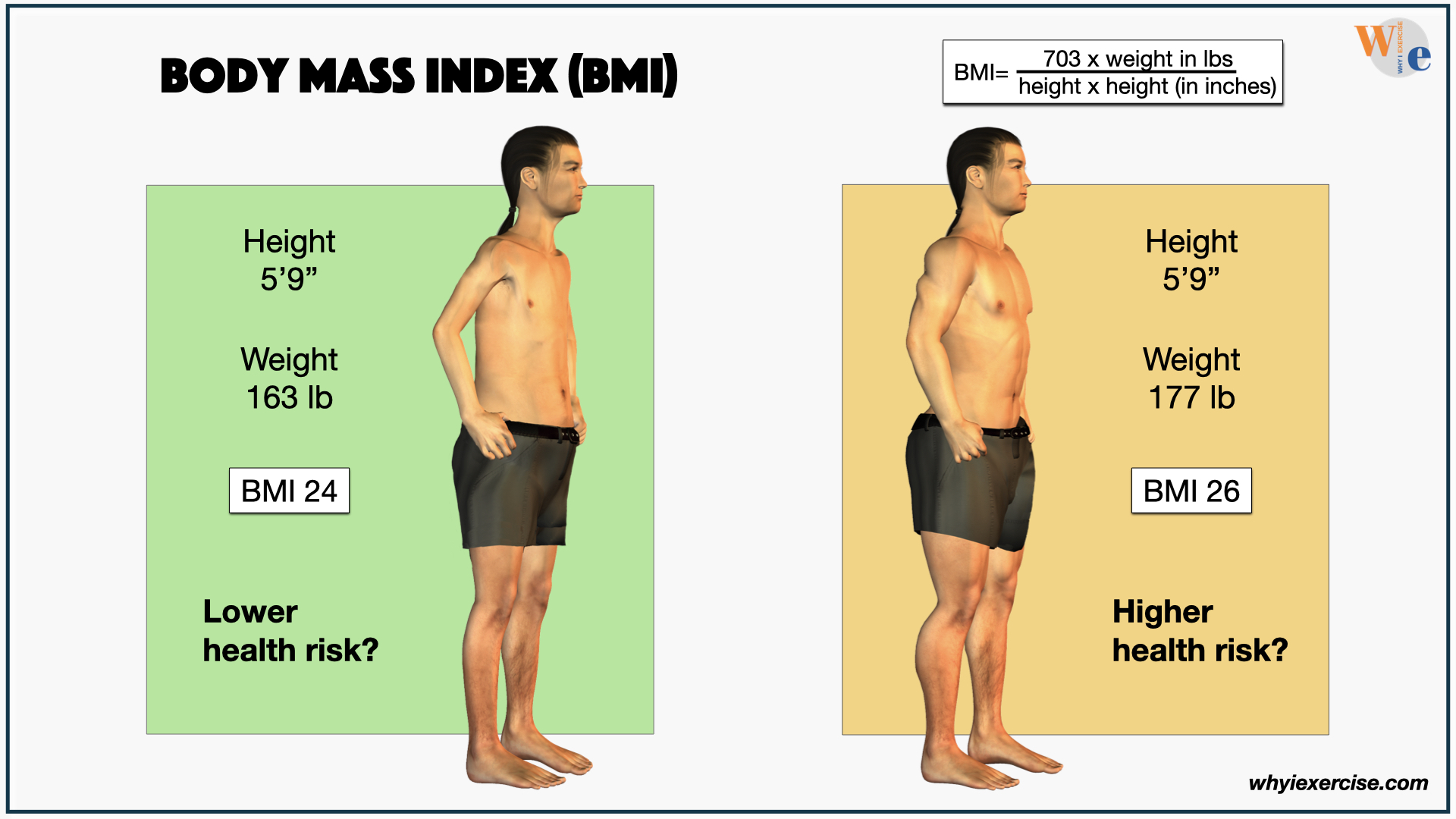
Health professionals usually start with the Body Mass Index, a quick calculation that divides weight (in kilograms) by height squared (in meters). For most adults, a BMI between 18.5 and 24.9 falls into the “healthy” bracket. It’s not a perfect tool—muscle, bone density, and ethnic background can shift the picture—but it gives a useful baseline.
Beyond BMI, a healthy weight feels sustainable. You have steady energy throughout the day, your clothes fit comfortably, and routine medical tests (blood pressure, cholesterol, blood sugar) stay within normal ranges. In short, the body functions without chronic strain.
Defining Underweight
Underweight typically means a BMI lower than 18.5. While a slender silhouette isn’t automatically a problem, a low BMI can signal insufficient nutrient stores, hormonal imbalances, or hidden illnesses. It’s also worth noting that athletes or people with a naturally lean bone structure may sit just below the cut‑off yet feel perfectly fine.
The key is context: If you’re losing weight unintentionally, feeling fatigued, or noticing hair loss, those are red flags worth investigating.
How BMI Helps—and Its Limits
Body Mass Index shines in population studies because it’s simple and reproducible. However, it doesn’t differentiate between fat and muscle, nor does it account for where fat is stored. Two people with the same BMI might have vastly different health profiles—one a marathon runner, the other someone with excess abdominal fat.
Because of these blind spots, doctors often pair BMI with other measures: waist‑to‑hip ratio, body‑fat percentage from skinfold calipers, or even a quick blood panel. Together they paint a fuller picture.
Signs You Might Be Underweight
- Persistent fatigue or feeling cold even when others are comfortable
- Frequent infections or slow wound healing
- Irregular menstrual cycles or loss of periods
- Noticeable loss of muscle mass or strength
- Hair thinning, brittle nails, or dry skin
Signs You Might Be Carrying Extra Weight
- Shortness of breath during mild activity
- Joint pain, especially in knees and hips
- Elevated blood pressure or cholesterol levels
- Difficulty sleeping or snoring loudly
- Feeling unusually thirsty or frequent urination
Health Implications of Each End of the Spectrum
Being underweight isn’t just a cosmetic issue. Chronic energy deficiency can weaken the immune system, increase osteoporosis risk, and impair heart function. Women, in particular, may experience fertility challenges due to hormonal disruptions.
On the flip side, excess weight raises the odds of type 2 diabetes, cardiovascular disease, certain cancers, and sleep apnea. It also places extra mechanical stress on the skeleton, accelerating joint wear and tear.
Both extremes share one common thread: they can set the stage for long‑term metabolic imbalances, making it harder to achieve a stable, healthy weight later on.
Practical Steps to Move Toward Balance
First, assess your current intake. A food diary for a week—written on paper or logged in an app—often reveals hidden calorie gaps or excesses. If you’re underweight, aim for nutrient‑dense additions like nut butter, avocado, or whole‑grain smoothies. For those a bit heavy, swapping sugary drinks for water and adding more fiber-rich veggies can curb appetite without sacrificing volume.
Second, look at activity patterns. Strength training builds lean muscle, which can boost metabolism and improve body composition regardless of where you start. Even a brisk 30‑minute walk three times a week makes a measurable difference in insulin sensitivity and mood.
Lastly, prioritize sleep and stress management. Hormones that regulate hunger—ghrelin and leptin—are highly sensitive to cortisol spikes from sleepless nights or chronic anxiety. A regular bedtime routine and mindful breathing exercises can keep those signals in check.
When Professional Guidance Is Worth It
If you notice any of the warning signs listed earlier, or if your weight has shifted dramatically in a short period, it’s time to talk to a healthcare provider. A registered dietitian can craft a personalized meal plan, while a physician may run labs to rule out thyroid issues, gastrointestinal disorders, or other hidden conditions.
Remember, the goal isn’t to hit a specific number on the scale but to feel resilient, energetic, and comfortable in your own skin. A balanced approach—grounded in realistic habits and regular check‑ins—will keep you on that path.


.jpg)
