How to Spot and Stay Safe Around Borneo’s Crocodiles
Borneo’s tropical rainforests and winding rivers are home to a surprisingly diverse reptile community. Among the most iconic—and certainly the most misunderstood—are its crocodiles. Whether you’re trekking through a mangrove, kayaking on a remote lake, or simply curious about the island’s wildlife, knowing a few basics can make your adventure both thrilling and safe.
Where the Crocodiles Live
Two species dominate Borneo’s waters:
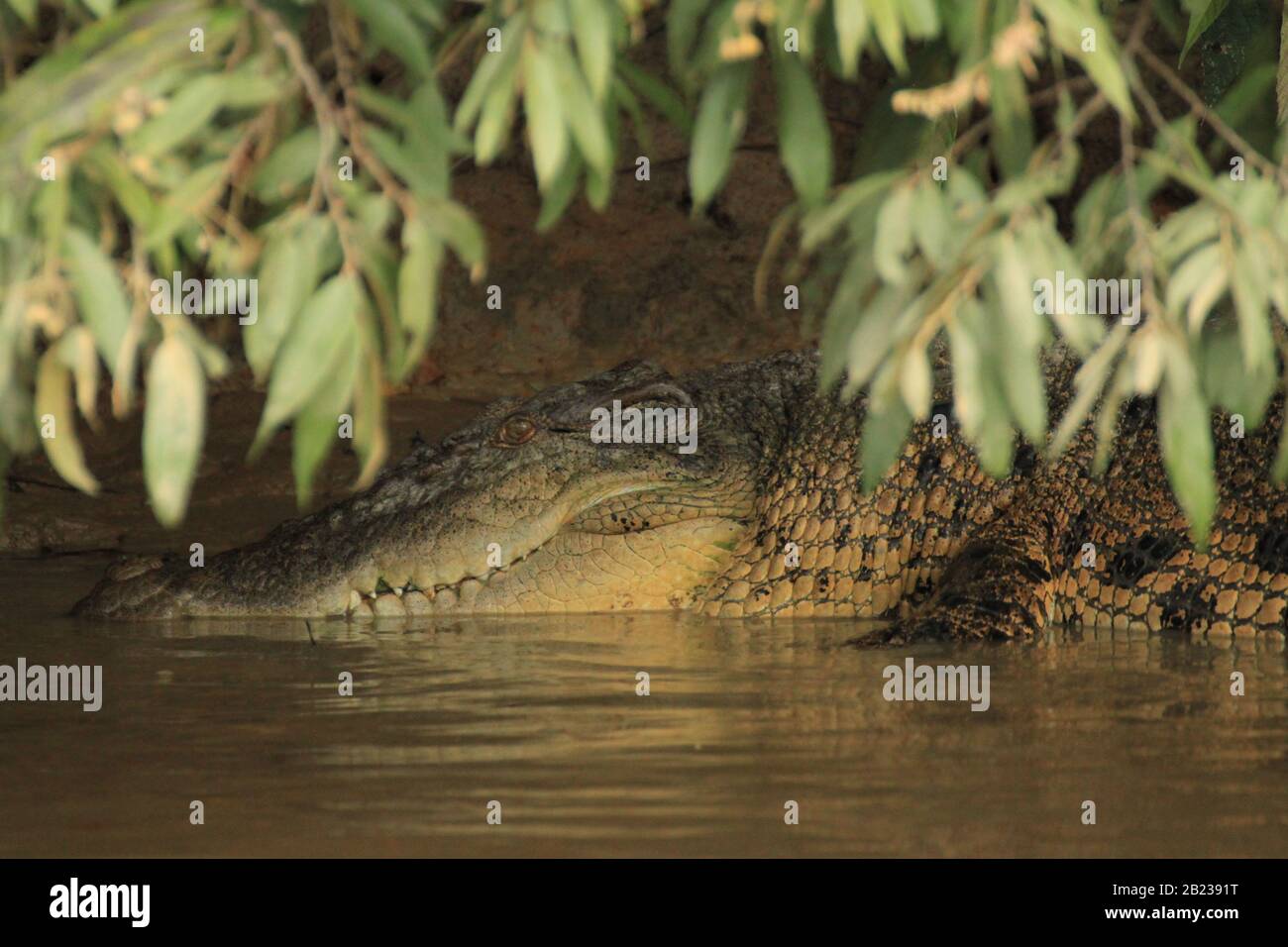
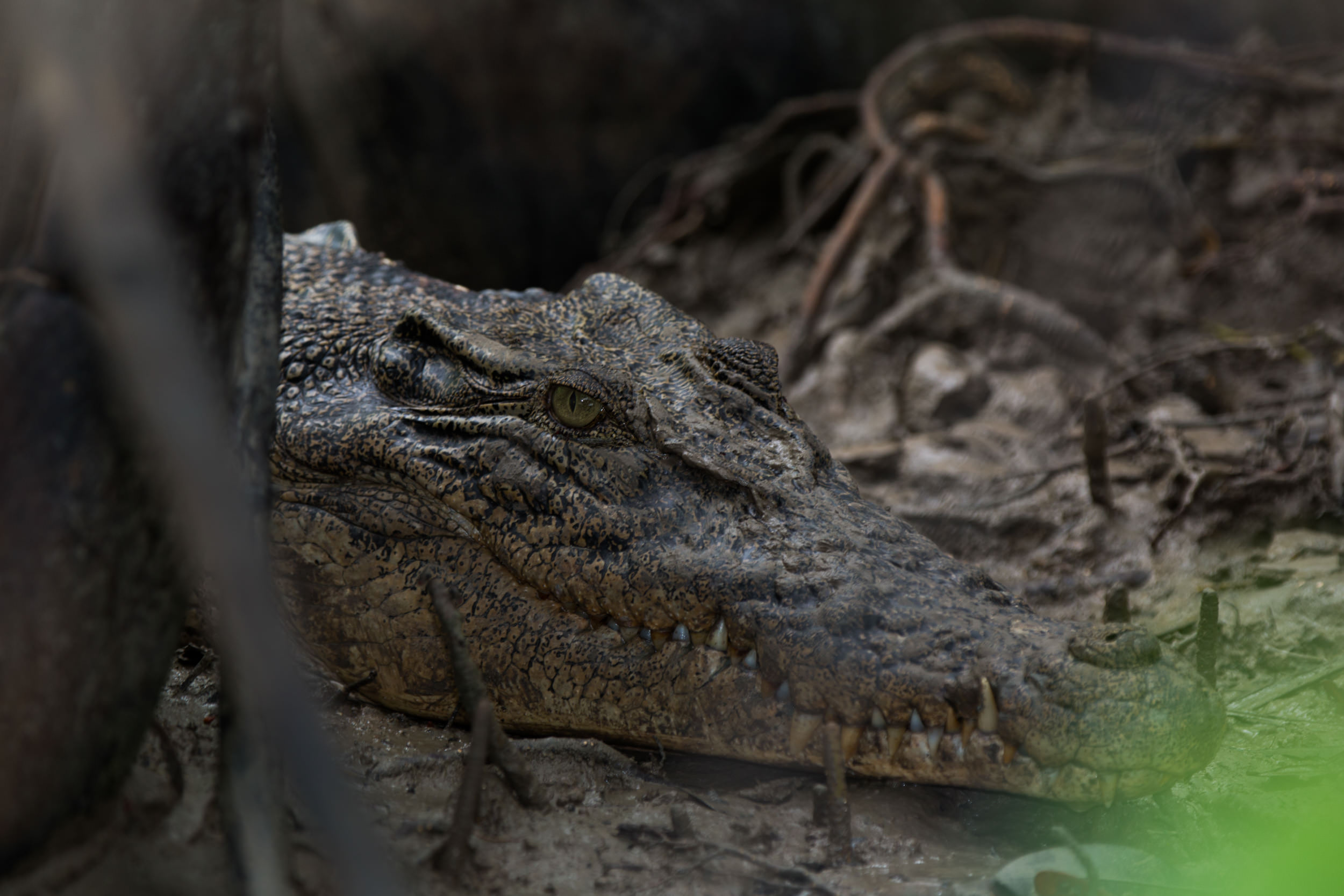
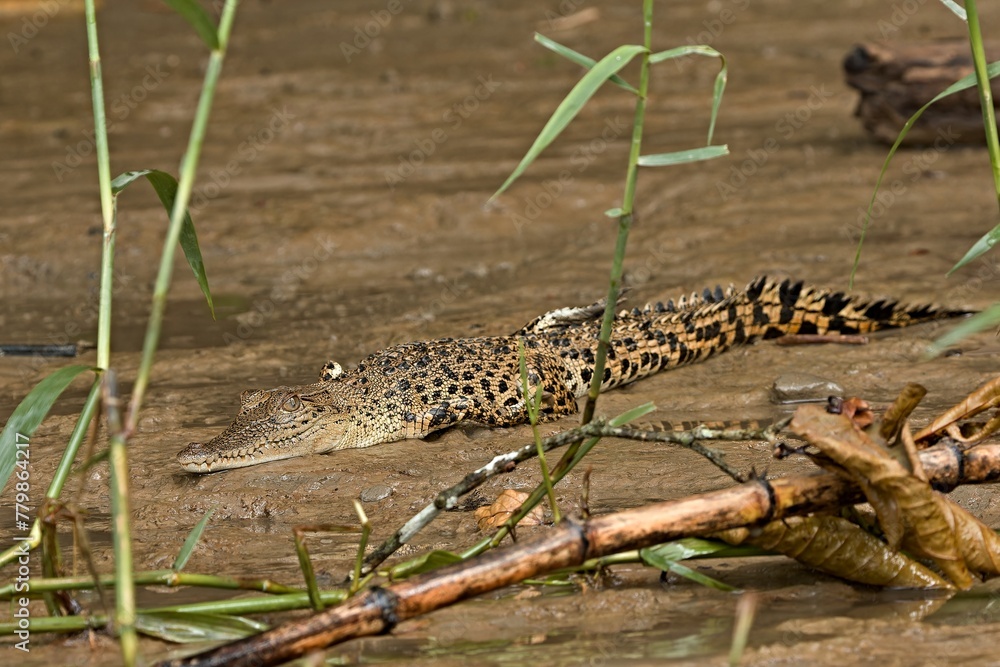
- Saltwater crocodile (Crocodylus porosus) – the world’s largest reptile, often found in coastal estuaries, mangroves and brackish lagoons.
- False gharial (Tomistoma schlegelii) – slimmer, more shy, preferring deep river channels and forested swamps.
Both favour areas where freshwater meets the sea, but the saltwater crocodile is the one you’re most likely to encounter on the shoreline.
What Makes Them Unique
While they share a common silhouette, a few details set them apart:
- Saltwater crocs have a broader, more robust snout – built for crushing.
- False gharials sport a long, narrow snout, ideal for snapping fish.
- Their nesting habits differ: saltwater females lay eggs on sandy banks, while false gharials often dig shallow nests in soft mud.
Signs You’re Near Crocodile Habitat
Before you step into a river, keep an eye out for these subtle clues:
- Freshwater sloughs edged with dense reeds.
- Tracks in soft mud that look like a series of shallow depressions.
- Sun‑baked banks where a mound of sand or mud has been disturbed.
- Unusual silence – crocs can mute the ambient sounds of insects and birds.
Spotting any of these? Slow down and reassess your route.
Practical Tips for Staying Safe
There’s no need to become a crocodile‑expert overnight, but a few habits go a long way:
- Keep a safe distance. A minimum of 30 feet (about 10 meters) is recommended, even if the animal seems inactive.
- Never feed or approach. Crocodiles can associate food with humans in an instant.
- Stay out of the water at dusk and dawn. These are peak hunting times.
- Watch where you set down gear. Bags, sticks, or even your shoes can attract a curious croc.
- Travel in groups. A single person is more vulnerable than a small party.
What to Do If You Encounter One
Remain calm—panic often leads to sudden movements that can provoke a defensive bite. Here’s a quick checklist:
- Back away slowly, keeping both eyes on the animal.
- Move to higher ground if possible; crocs are less comfortable on steep banks.
- If a croc lunge, try to place an object (a stick or backpack) between you and its mouth.
- Call for local assistance; many villages have trained guides who know safe routes.
Ecotourism and Conservation
Despite their fearsome reputation, crocodiles play a crucial role in Borneo’s ecosystems. Their predation helps keep fish populations balanced, while their nests provide nutrients for surrounding flora. Supporting responsible tours—those that keep a respectful distance and educate visitors—helps protect both the animals and the habitats they depend on.
Quick Reference Guide
- Key species: Saltwater crocodile, False gharial
- Typical habitats: Mangroves, estuaries, deep river channels
- Safe distance: At least 30 feet (10 m)
- Best times to avoid water: Dawn & dusk
- When in doubt: Seek advice from local guides