Homeownership Pathways in Springfield, MA
Buying a home in Springfield, Massachusetts, feels less like a transaction and more like navigating a complex puzzle. The housing market here has its unique quirks. Older neighborhoods demand cash for repairs, while newer listings move fast. For many aspiring homeowners, the traditional route requires a thick stack of paperwork and a pristine credit history. That is where rent-to-own agreements, often called lease-options or lease-purchases, come into play.
These arrangements offer a bridge to ownership. They allow you to live in the home while building up the equity needed for a eventual mortgage. But they are not without risk. You need to know exactly what you are signing before you put down that first check.
Understanding the Lease-Option Model
Most people think of renting as simply paying for shelter. In a rent-to-own scenario, you are renting with a specific goal: buying the property at a later date. There are generally two types of contracts you will encounter in Western Massachusetts. Knowing the difference is crucial.
The first is a rental-purchase option. This gives you the right, but not the obligation, to buy the house at the end of the lease term. If you decide not to buy, you walk away. You keep your credit intact for another attempt, but you lose the option fee and any rent credits worked into the deal.
The second type is a rental-purchase agreement. This is a legally binding commitment to buy the home at the end of the lease term. This carries significantly more risk for the tenant. If you lose your job or your credit worsens during the lease, you could still be on the hook for the purchase.
In Springfield, many local landlords prefer the option model because it attracts serious buyers who are actively trying to improve their financial standing. However, some investors use the agreement model to secure a sale before the tenant is truly ready. Always read the fine print. If the contract forces you to buy, make sure you have an escrow account set up for the purchase price to ensure the home is actually available when the time comes.
Why Springfield Homebuyers Choose This Route
The appeal of rent-to-own in Springfield is largely tied to the local economic landscape. The city is seeing a revitalization, particularly in areas like the Six Corners and the Riverfront. Property values in these zones have risen steadily over the last decade. This appreciation makes traditional mortgages feel out of reach for many first-time buyers.
Consider the credit hurdle. Many residents have been impacted by broader economic shifts, leading to blemishes on their credit reports. Traditional lenders often have strict debt-to-income ratios. If your score is below 620, or if you have had a foreclosure in the past five years, getting pre-approved can feel impossible. Rent-to-own gives you 12 to 36 months to scrub your credit, save for a larger down payment, and demonstrate stable income to future lenders.
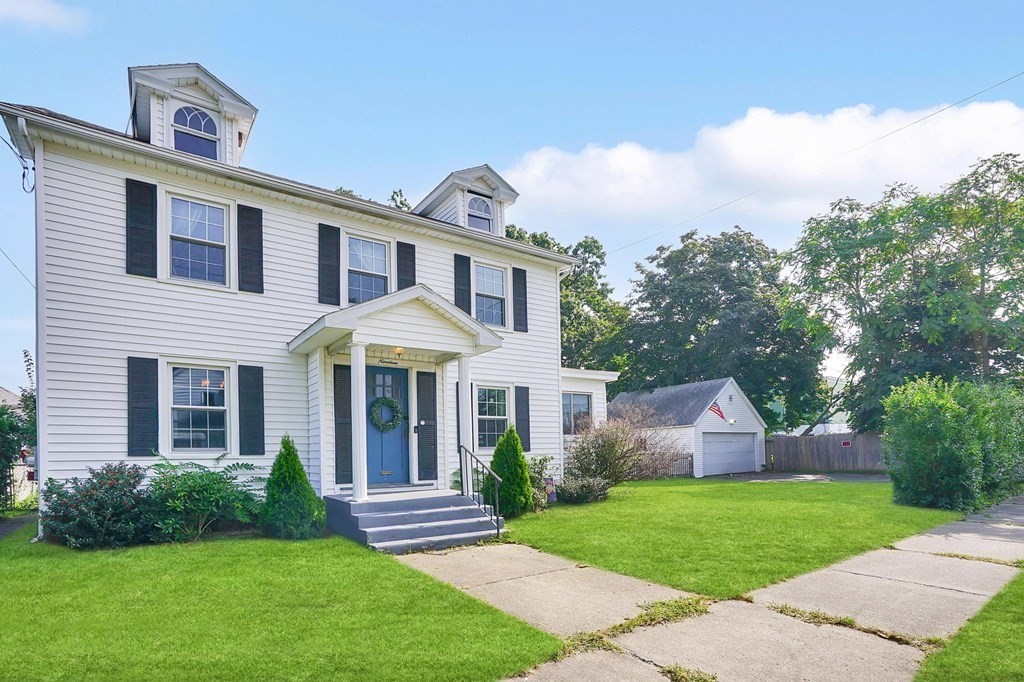
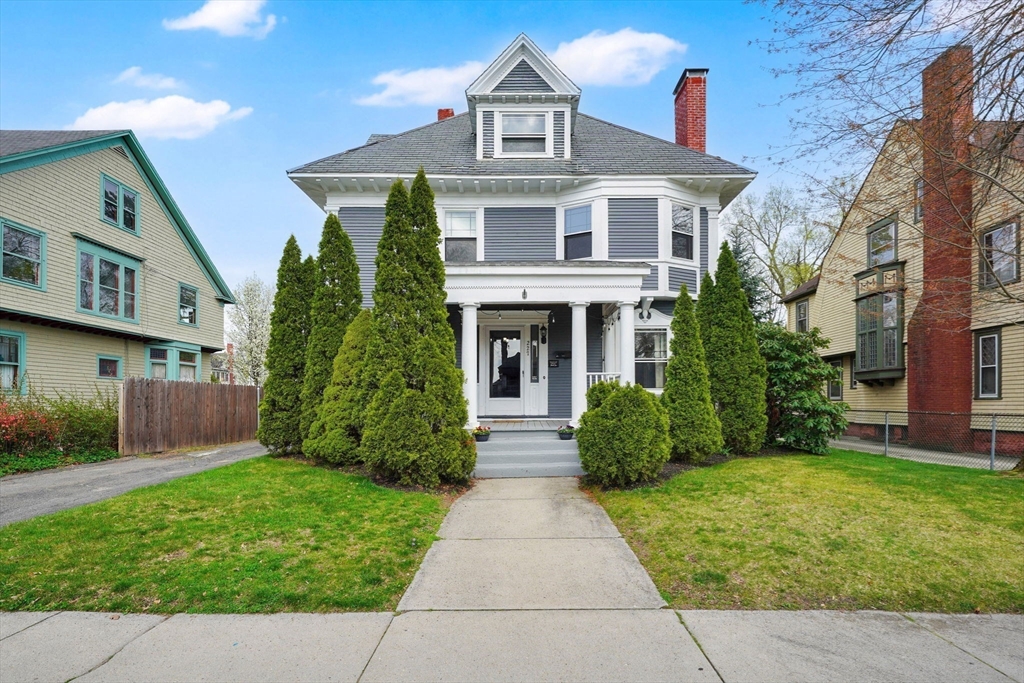
There is also the matter of home condition. Springfield is full of historic homes from the early 20th century. Many of these properties need significant work. Some landlords use these homes as temporary rentals while they discuss renovations. In some lease-option deals, the landlord agrees to handle major repairs like roofing or HVAC, while the tenant handles day-to-day maintenance. This allows you to experience the neighborhood and the home’s livability before committing to a long-term mortgage on a property that might have hidden issues.
Key Areas to Watch
Not all neighborhoods in Springfield move at the same pace. When looking for rent-to-own opportunities, focus on areas with steady commercial investment. Proximity to universities like Mass Mutual or UMass Lowell-Longmeadow can drive rental demand, which helps landlords justify the option fee structure. However, avoid areas with high vacancy rates, as these often signal broader economic troubles that could impact your ability to sell later if you choose to flip the property after purchasing.
The Financial Reality: Costs and Credits
A common misconception is that rent-to-own is cheaper than traditional renting. In fact, it is usually more expensive in the short term. You will typically pay an above-market rent. A portion of that rent, perhaps 10% to 25%, goes toward your future down payment. This is known as a rent credit.
There is also an upfront cost, usually referred to as an option fee. This is a non-refundable payment that grants you the exclusive right to purchase the home. In Springfield markets, this might range from 1% to 5% of the purchase price. Let us say you find a modest colonial in the Wilbraham border area listed for $250,000 that allows rent-to-own. An option fee of 3% would be $7,500. If you do not buy the house, you lose that $7,500. It is a sunk cost.
Calculating the true cost requires discipline. You must ensure that the rent credits and your own savings will cover the down payment and closing costs by the time the lease expires. If the home appreciates faster than your savings grow, you might still struggle to afford the agreed-upon purchase price. That is why a fixed price in the contract is advantageous for the tenant, but only if the market is rising.
Due Diligence Before Signing
Because rent-to-own agreements fall outside traditional real estate regulations in many ways, they can be opaque. Landlords in Springfield are required to disclose certain property defects, but the liability structure is different from a standard sale. Always hire a local real estate attorney to review the lease. Do not rely on the landlord’s explanation verbal promises. If it is not in writing, it does not exist.
Verify the title insurance. Ensure the person offering the rent-to-own deal actually owns the property free and clear. In a rising market, there are cases of fraudulent listings. Go to the Hampden County Registry of Deeds and check the ownership records yourself. It is a simple step that can save you from a nightmare legal battle.
Also, consider an inspection period. Just as you would when buying traditionally, you need to know the condition of the foundation, the electrical systems, and the water quality. Springfield’s older infrastructure means plumbing and wiring surprises are common. If the contract places repair responsibilities on you during the lease, a bad inspection could mean thousands in unexpected expenses.
Making the Transition to Ownership
The end of a rent-to-own term is a critical juncture. You will need to secure a conventional mortgage to close the deal. Start this process six months before your lease expires. Gather all your rent credit documents, pay stubs, and bank statements. Demonstrate to the lender that you have been a responsible occupant.
If you cannot qualify for a loan at the end of the term, review your option contract. Are you allowed to extend the lease? Some landlords are willing to renegotiate if you have made good-faith efforts to improve your financial situation. Flexibility is often key in these negotiations.
Own the process rather than letting the contract control you. Rent-to-own in Springfield is a powerful tool for those willing to do the homework. It offers a pathway through a challenging market, but it demands caution, clear communication, and a realistic view of your financial future. Treat the lease as a training ground for homeownership, not just a temporary residence. By staying informed and proactive, you can turn that tenant status into a homeowner title.
Frequently Asked Questions
Is the option fee refundable if I don't buy the home?
In most rent-to-own contracts, the option fee is non-refundable. It is paid to secure your exclusive right to purchase the property. Some negotiable agreements allow a portion to be credited toward rent or closing costs even if the purchase falls through, but this is rare. Always read the specific terms.
Who is responsible for repairs during the lease?
This depends entirely on the contract. In many Springfield rent-to-own deals, the landlord handles major capital expenditures like roofing or foundation issues, while the tenant handles routine maintenance such as lawn care and minor plumbing fixes. Ensure this division is clearly written in the agreement.
Can I get a tax deduction for rent credits?
Generally, no. The IRS treats rent-to-own payments as rent during the lease term. You cannot deduct the rent or the option fee. Only after you finalize the purchase can you claim property taxes and mortgage interest, subject to current federal tax laws.
How long does a typical rent-to-own lease last?
Most leases in Springfield range from one to three years. Twelve months is common for buyers who need to fix their credit quickly. Three-year terms allow for more gradual savings and price appreciation, providing a bigger cushion for the eventual down payment.